



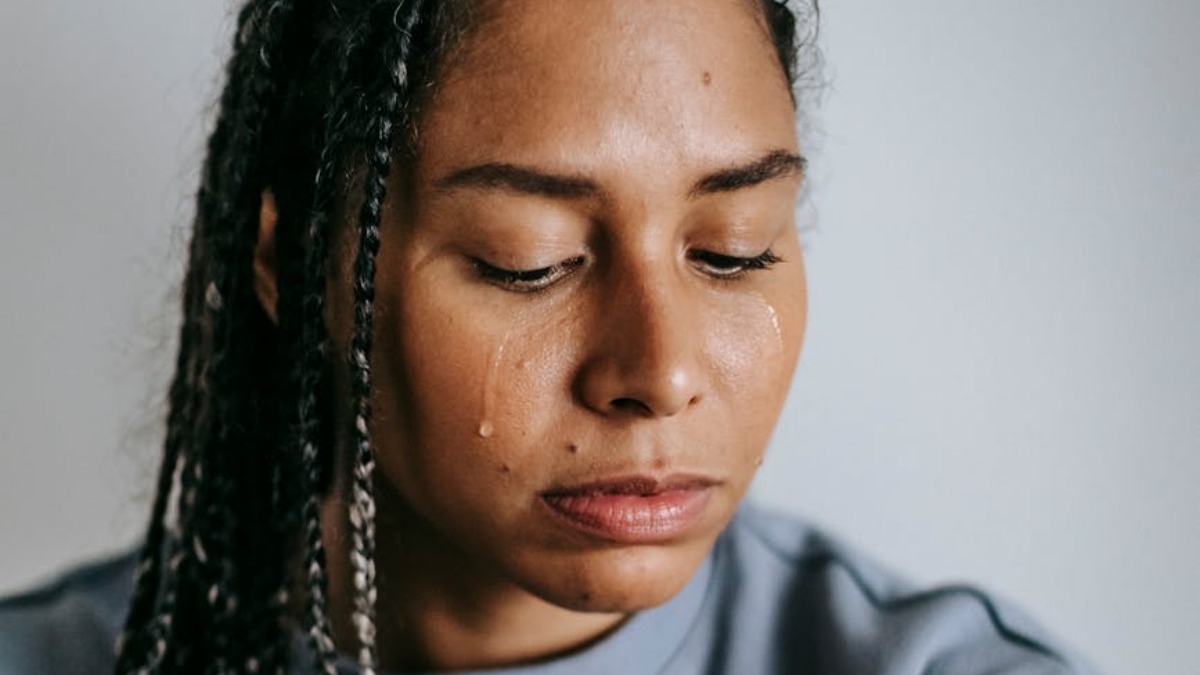

A video of a Black woman in Atlanta went viral on X on June 1, showing her tearfully describing the city as segregated. As detailed by the Daily Dot, she explained that she is forced to travel to the white side of town whenever she needs to see a doctor, sparking a heated debate about the gap between Atlanta’s reputation as the Black Mecca and the reality many of its residents face.
The post sharing the clip framed the woman’s complaint as unfounded, pointing to the city’s demographics and political leadership. Black or African American residents make up roughly 47 to 49 percent of Atlanta’s population, while approximately 40 percent are white.
The city has been led by Black mayors since 1974, starting with Maynard Jackson, the first African American mayor of a major Southern city, with Andre Dickens currently in office since January 2022. The post’s caption suggested that if a majority-Black city feels segregated, the problem might not be the map itself.
Atlanta’s healthcare data paints a sobering picture of racial inequality
Despite these arguments, public health researchers largely agree with the concerns raised in the video. A 2023 report from the Georgia Health Policy Center found that 19.3 percent of African American adults in metro Atlanta lack access to a consistent healthcare provider, significantly higher than the state average of 14.7 percent.
Research from the Local Initiatives Support Corporation indicates the life expectancy gap can be as wide as 17 years between the affluent Buckhead neighborhood and the Bankhead area, despite the two locations being only about six miles apart. Atlanta currently has the widest gap in breast cancer mortality rates between Black and white women of any city in the United States.
According to the National Cancer Institute, 44 Black patients out of every 100,000 die from breast cancer, compared to 20 per 100,000 white women. A similar trend exists for prostate cancer, where 50 Black patients out of every 100,000 die compared to 19 out of every 100,000 white patients.
Kathryn Lawler, CEO of Atlanta-based Mercy Care, has noted that whether it is diabetes, hypertension, asthma, pneumonia, or cancer, there is a disproportionate share of the burden placed on people of color. These disparities are often tied to historic disinvestment in certain neighborhoods, leaving residents physically farther from hospitals and doctor’s offices.
Mercy Care is currently working to address this by adding 270 units of affordable housing directly next to their downtown clinic, with the goal of moving healthcare closer to those who need it. Lawler has pointed out that it is very difficult to help someone get healthy if they are living in an unstable situation or experiencing homelessness.
Economic success and political representation do not always translate into equity on the ground. A report from the National Committee for Responsive Philanthropy highlighted that Atlanta’s growth has left many communities of color and low-income communities behind. Amid a broader national debate over prescription drug prices and patient affordability, the Commonwealth Fund notes that Georgia remains one of the states that has not adopted the Affordable Care Act’s Medicaid expansion.
During the State of Black Georgia Health Report event in April 2023, Department of Health and Human Services Secretary Xavier Becerra emphasized that the lack of insurance access is a major part of the problem, stating that “Inequity is intentional. Therefore, equity must also be intentional.”
The online reaction to the video was divided. Some users argued that Atlanta being majority-Black does not resolve issues around healthcare access, while others questioned the sincerity of the clip, with one user suggesting it might be a parody.
Amid wider conversations about racial bias in automated policing systems, the original poster maintained that the woman’s need to seek care outside her own community pointed to a failure at the local level.








Published: Jun 2, 2026 06:00 am