


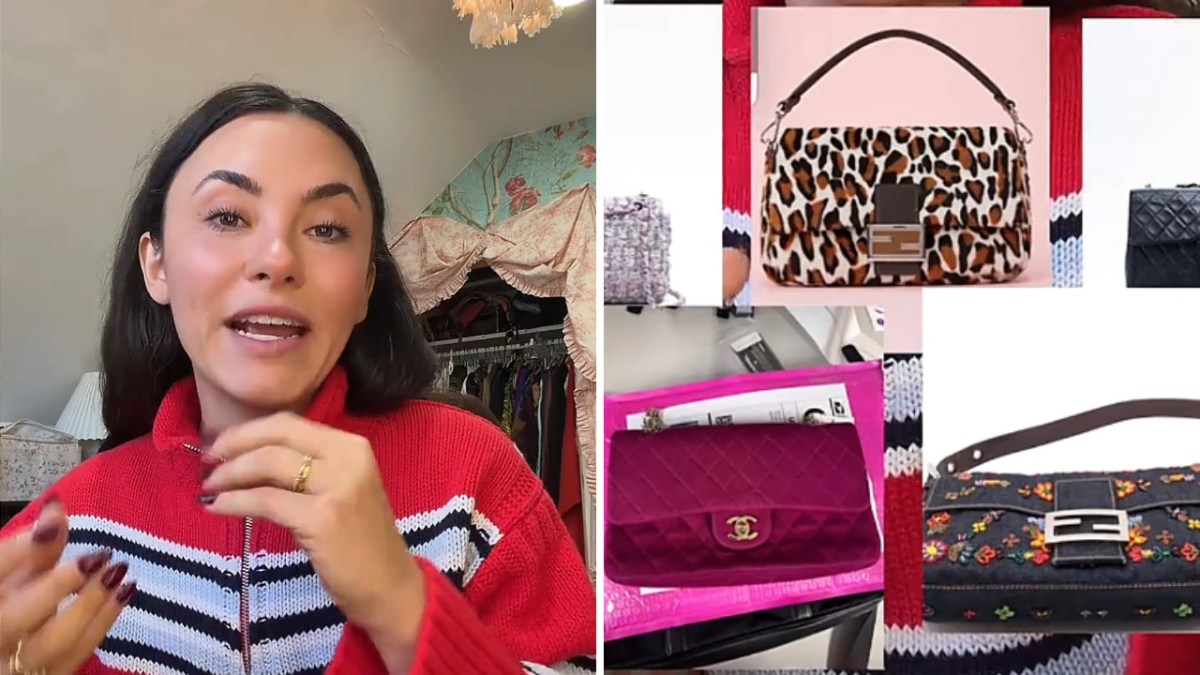

A Brooklyn vintage business says it lost $24,000 worth of inventory after a buyer allegedly paid for five designer bags with credit card numbers that did not belong to him. Nik Pollina, who runs the vintage studio Seven Moods with her husband, Fred, shared the story on TikTok as @nikpollina, as reported by The Mary Sue.
The video has drawn tens of thousands of views. Pollina said the trouble began two weeks earlier at a market, where a couple approached her husband in the last hour and bought one of the shop’s Chanel bags. When the man tapped his card, the payment did not go through, so he was allowed to type in his card number by hand, which Pollina said is not unusual.
The buyer then asked to exchange numbers, browsed the shop’s website, and asked Fred to meet him at a hotel to buy more pieces. There, he again said his card was acting up and typed in the numbers for four more bags, bringing his total to five. Pollina said every one of those payments went through and landed in the couple’s bank account, at least at first.
She says a text from the buyer’s girlfriend confirmed what she already suspected
Viewers were largely sympathetic, and several fellow resellers said the same thing had happened to them or to friends. Others offered practical advice, urging small sellers never to let buyers type in card numbers or to check two forms of ID on large sales. Some asked whether the couple had filed a police report or had insurance, and many promised to keep an eye out for the bags.
The man then asked for two brand new Chanel jumbo flap bags, which Fred found through the shop’s wholesalers. The pair would have cost $22,000, and the buyer wanted to split the payment into several transactions. Pollina said she grew suspicious and ran the details through Claude, the AI chatbot, which pointed out that the cards came from different countries.
Fred believed he was typing the same number each time, but each card was different, Pollina said. A day later, the man’s girlfriend texted Fred, “Please don’t sell him these bags. This is fraud. He is stealing credit cards.” Pollina said they had already decided against the $22,000 sale. However, the five bags were gone, and chargebacks left the shop with neither the bags nor the money.
Payments typed in by hand fall into what the industry calls card not present transactions, which leave merchants more exposed to fraud. When the real cardholder disputes a charge, the bank reverses it, and the seller usually absorbs the loss. Card networks such as Visa and Mastercard also track how many chargebacks a business racks up, as high ratios can lead to extra fees or lost processing.
Pollina asked her followers to watch for the missing pieces on resale marketplaces, and she posted photos of them in the video. Stolen goods resurfacing online is a familiar problem for small business owners, as one Texas woman found when her stolen rental was sold on Facebook Marketplace. In this case, Pollina said she does not expect the bags to come back.
The buyer has not been publicly identified, and the video does not say whether police are involved. However, Pollina said the couple wanted to share the story, as she claims the same scam happens to her peers in the vintage business every day. She has not shared whether the bank or card processor has offered any help with the chargebacks.
The shop may still recover some of its losses if any of the five bags turn up for sale, though Pollina said she is preparing for the possibility that they never will.







Published: Nov 27, 2026 07:45 am