



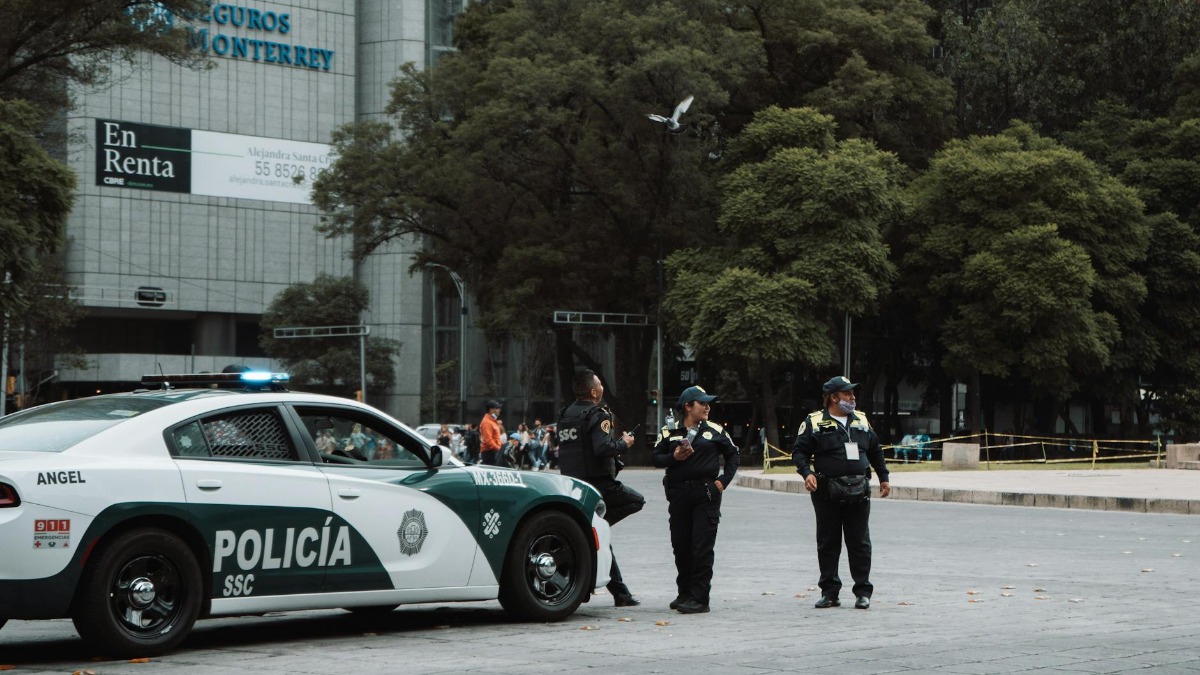

Grecia Guadalupe Orantes Mendoza, 30, was located alive on a highway connecting Ocozocoautla with Jiquipilas several days after being reported missing on April 12 in Ocozocoautla de Espinosa, Chiapas. Her family had contacted authorities to trigger the Alba Protocol, a search mechanism in Mexico designed to prioritize the safety of missing women and girls.
The Alba Protocol relies on a coordinated effort between government agencies, the media, and the public, emphasizing action from first light after a disappearance is reported. It has proven to be 98 percent effective in regions where it has been implemented. In this case, however, authorities distributed missing persons posters using images pulled directly from Orantes Mendoza’s Instagram account, photos that were heavily altered with filters and editing tools.
The story gained traction when reported by Dexerto, which highlighted how the gap between her filtered online presence and her real-life appearance became a critical obstacle for searchers. Locals and online observers noted that the photos looked nothing like her. One comment that spread during the search asked, “How were they going to find her with photos full of filters?”
Filtered photos turned a reliable system into a guessing game
Missing persons posters depend entirely on the public being able to recognize the individual. When the source material is a heavily edited selfie, that utility drops significantly. Security consultant David Saucedo, cited by Mexico News Daily, noted that the National Search Commission in Mexico has already flagged issues with identification forms generated from social media, warning that filters and AI editing tools can seriously interfere with real-time search efforts.
The Alba Protocol was first used in 2003 in Ciudad Juárez and has since been adopted by several states to address high rates of disappearance. In 2022, Nuevo León Governor Samuel García implemented it following a wave of disappearances in that state. The goal is to act within the golden hour — the first hour after a report is made — to maximize recovery chances. The reliance on filtered photos in this case complicated that window from the outset. The issue reflects a broader pattern of curated online identities creating real-world problems, seen elsewhere in cases like an influencer whose private violence was entirely hidden behind his public persona.
Officials have not released full details on the circumstances of Orantes Mendoza’s disappearance or how she was ultimately found, as the case remains under investigation. The incident has sparked a wider debate about whether law enforcement should rethink their reliance on social media profiles for official alerts. It has also raised questions about how platforms enable identity curation in ways that may actively harm search efforts, a concern that mirrors other cases where an influencer’s false online identity was used to deceive and target victims.
Authorities and security experts have suggested that police prioritize photos from identification documents or unedited sources when issuing public alerts, a shift that could improve accuracy when lives are on the line.




Published: Apr 24, 2026 08:45 pm