



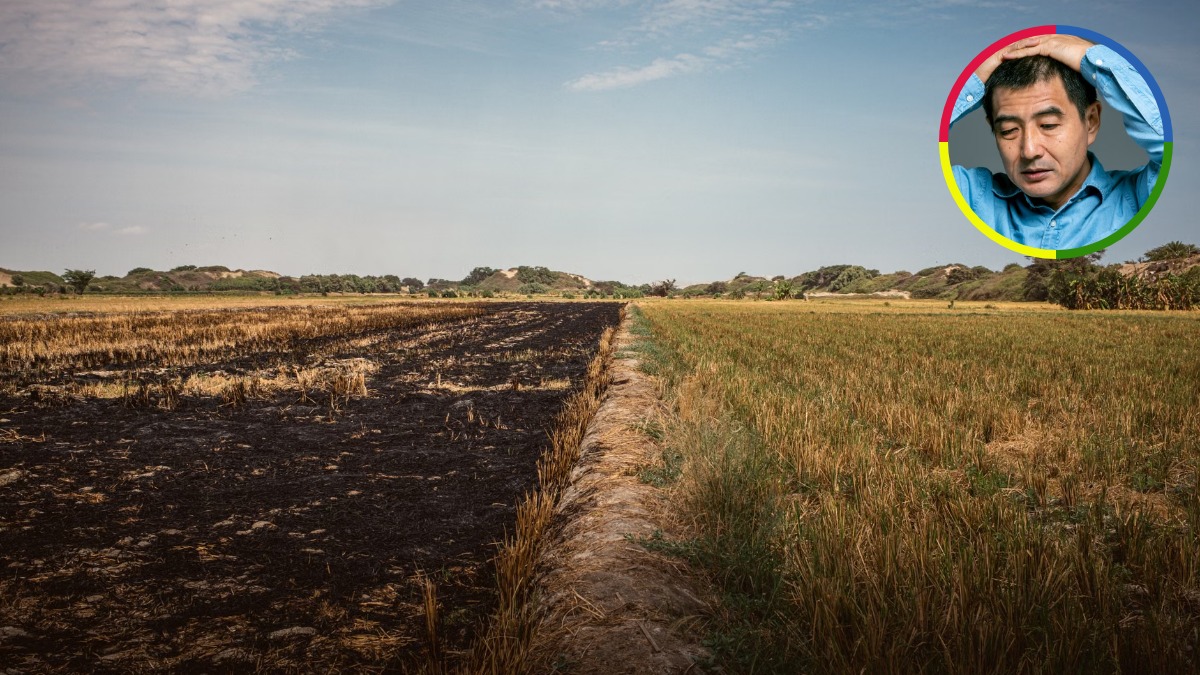

A farmer trusted an AI tool to help save his sesame crop from weeds and pests. Instead, the advice reportedly wiped out almost his entire 25-acre field.
The 67-year-old Chinese farmer, identified as Wu, had been using the unnamed AI app for about a year. His confidence in its answers grew after months of finding the technology useful, as per Tom Hardware’s translated report of CTWANT.
That trust took a costly turn when Wu asked the AI to create a treatment plan for his sesame fields. The recommended chemical mixture was sprayed across about 150 mu of land, which equals roughly 24.7 acres.
That tiny ‘AI can make mistakes’ disclaimer is NOT enough when thousands of dollars are on the line
The damage became obvious the next day. The treatment had killed the unwanted plants, but the sesame seedlings were also dying. Wu later described how quickly the crop was affected. “Both the grass and the seedlings will die, and the seedlings will die even faster.”
Wu then asked the AI why the crop had been damaged. The tool reportedly suggested that one of the herbicides it had recommended could have caused the problem. This kind of misplaced credibility is also leaking into social media, with AI increasingly promoting questionable products posing as doctors.
The agricultural experts identified the chemical as “flusulfasulfaether.” They explained that the chemical is mainly used to control broadleaf weeds in soybean fields. Sesame plants fall under the same classification, meaning the chemical can also affect them. Experts also said it should not have been applied across an entire field as Wu had done. Instead, its use is intended for specific areas.
Wu said the AI did not clearly warn him about the possible consequences of following its instructions. The chat interface did carry a general warning stating: “AI generation may be incorrect, please verify.”
The incident was especially damaging because Wu had initially been skeptical of AI. After around a year of successful interactions with the technology, however, he had become increasingly willing to trust its recommendations. That trust can become even more concerning when AI systems themselves can be manipulated.







Published: Aug 11, 2026 07:15 pm