



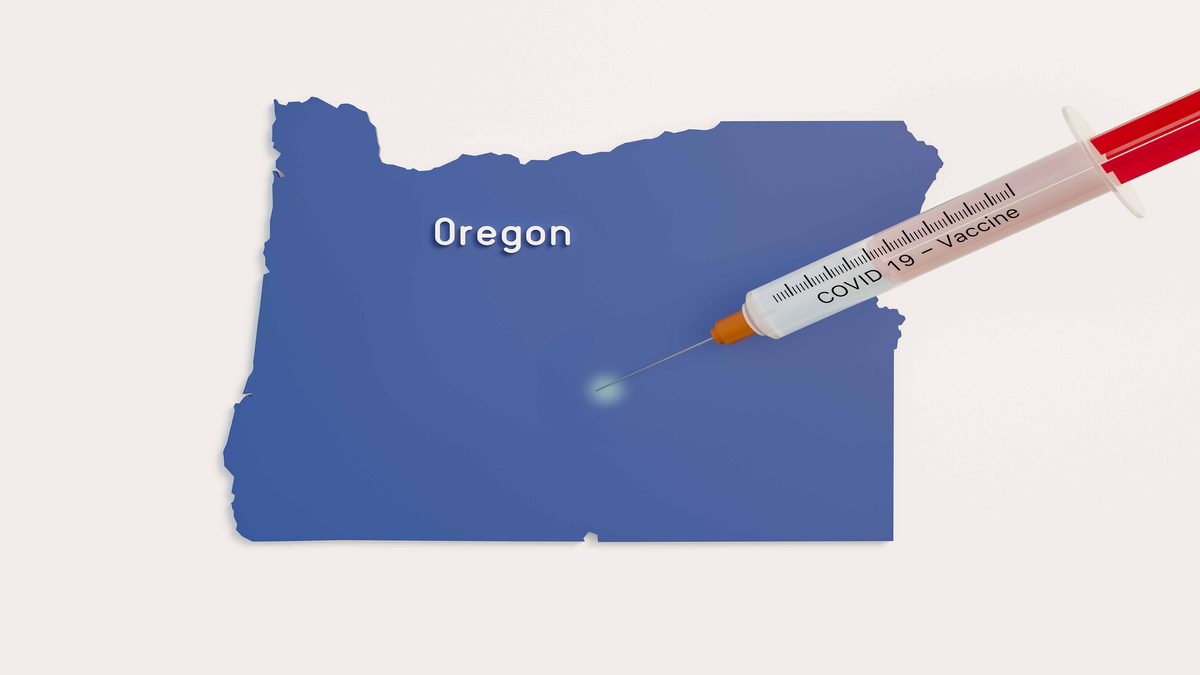

Oregon’s attempt to decriminalize possession of small amounts of hard drugs in 2020 failed to achieve its intended outcomes, according to Oregon Attorney General Dan Rayfield. The policy, adopted under Measure 110 during the COVID-19 pandemic, sought to treat drug use as a public health issue rather than a criminal offense. However, three years later, lawmakers overturned much of the measure, restoring criminal penalties amid a surge in fatal overdoses.
Measure 110 replaced arrests with citations and directed individuals to a state-funded support hotline, aiming to connect users with treatment services. The initiative was part of a broader effort to shift from punitive drug policies to a public health approach. As reported by Politico, the measure was intended to “treat some of the root causes” of drug use, according to Rayfield, emphasizing prevention and rehabilitation rather than incarceration.
Despite the reform’s intentions, the rollout of Measure 110 fell short of expectations. Rayfield highlighted a lack of adequate support services, noting that while officers issued approximately 7,000 citations over the three-year span, the state hotline averaged only 10 calls per month. “You didn’t get the support services that were really needed to realize the hypothesis,” Rayfield said in a conversation with Politico’s Dasha Burns for “The Conversation” podcast.
Unintended Consequences And Systemic Challenges
The failure of the policy coincided with a convergence of public crises that further complicated its effectiveness. Oregon faced a housing shortage, the ongoing COVID-19 pandemic, and a surge in fentanyl-related overdoses, all of which compounded the risks for drug users and undermined the public health approach embedded in Measure 110.
Experts have noted that policies targeting drug use require comprehensive infrastructure, including treatment centers, outreach programs, and reliable access to mental health and social services, which were insufficiently developed during the rollout.
In practice, the measure’s reliance on a single hotline and voluntary participation in treatment programs proved inadequate. Many individuals did not engage with the offered support, and the broader public health system was not equipped to absorb the sudden increase in demand for services. The limited uptake and infrastructure challenges contributed to rising overdose fatalities and growing concerns among policymakers, leading to the policy’s reversal in 2024.
Lawmakers and officials have described Measure 110 as an experimental step in reshaping the state’s approach to drug use. While its decriminalization framework aimed to reduce incarceration rates and remove barriers to treatment, the absence of robust, accessible, and coordinated support services meant that the policy could not meet its objectives.
Rayfield’s reflection on Measure 110 highlights the complexity of addressing drug addiction through policy. “We created a new classification of crime that was really focused on keeping people out of the… criminal justice system and nudging them to treatment,” he said, adding, “However, we also know that some people just aren’t going to do that.” The statement underscores the tension between policy ideals and real-world behavioral and systemic barriers.






Published: Oct 11, 2025 12:39 pm