



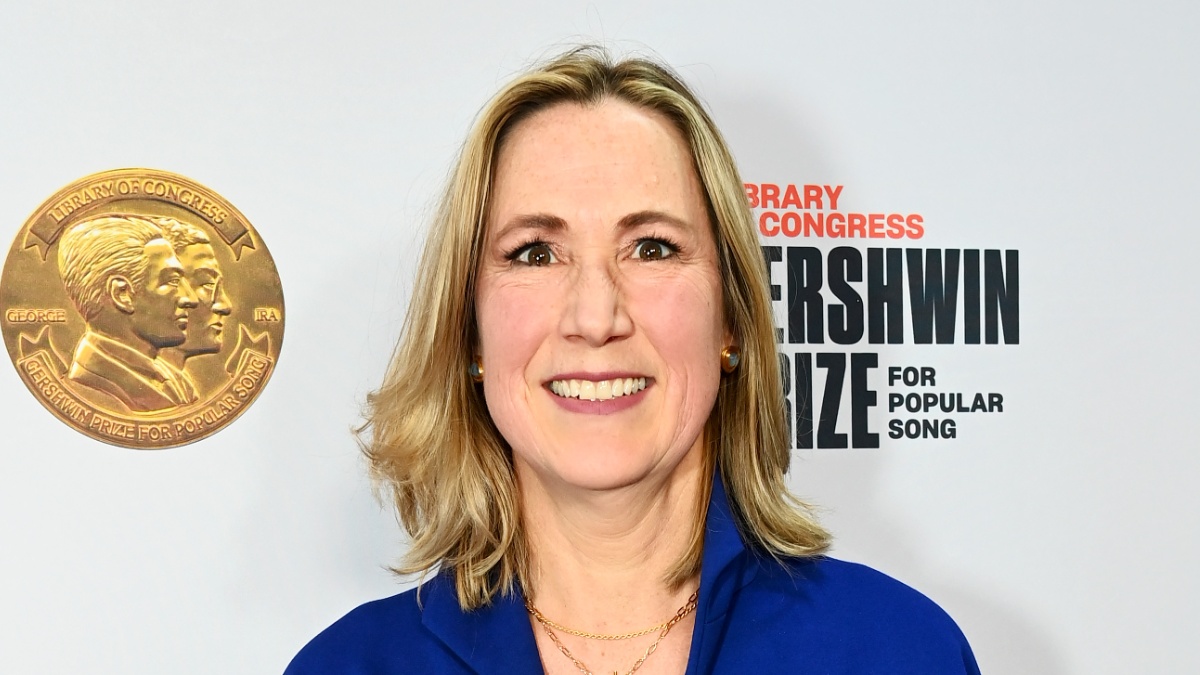

Outgoing Canadian Ambassador to the U.S. Kirsten Hillman is wrapping up her six-year tenure in Washington this month, but she is leaving behind a relationship with the U.S. that she calls fundamentally unstable and unpredictable. Hillman, who took her post in 2020, recently shared her candid assessment from her office overlooking the Capitol, stating that the sense of stability that once governed North American trade is simply “not the case today,” as reported by The Hill.
Hillman conceded that Canadian business leaders do not think things will return to normal anytime soon. She explained that companies will not go back to “putting too many eggs in one basket or expecting things to be as they always were,” because they realize a single administration can unilaterally change the entire economic relationship.
The relationship between the two nations has certainly been a roller coaster, especially since President Trump returned to the White House last year. He has imposed 25 percent tariffs on all Canadian goods, later raising them significantly to 45 percent in October. This antagonism extends beyond trade, too. President Trump recently threatened to block the opening of a major bridge between Ontario and Michigan unless Prime Minister Mark Carney meets a lengthy list of trade demands.
It is clear that Canada is taking this shift seriously
Prime Minister Carney recently delivered a provocative speech at the World Economic Forum in Davos, Switzerland, where he called on “middle powers” to unite against global hegemony. This prompted President Trump to lash out with fresh tariff threats and even revoke Canada’s invitation to join his Board of Peace, potentially sidelining Canada from efforts to broker an end to fighting in Gaza.
Carney’s strategy is twofold: middle powers should look inward to build stronger domestic economies while also diversifying their trade relationships as a bulwark against undue reliance on major powers. This antagonism is even impacting Canada’s security planning, as Carney now has to weigh the prudence of purchasing dozens of new F-35 fighter jets from the U.S.
Hillman recalled “hard” and “volatile” trade talks back in President Trump’s first term, but noted that there was never any “fundamental questioning of the fact that predictable and open trade among the three countries was good for America and with Canada and from Mexico.” All parties agreed that North American trade made U.S. businesses more competitive and prosperous, which is a key reason why the United States-Mexico-Canada Agreement, a pact she helped negotiate, saw U.S. exports to Canada jump 20 percent.
Despite all the drama, Hillman maintains optimism that the U.S. and Canada will eventually return to a stable economic relationship. She believes they will get there “because it’s what’s best for Americans, American workers, American companies, American communities, American jobs.” She emphasized that, in the end, “the facts will govern the outcomes that we’re able to achieve.”
As she departs, Hillman offered crucial advice for her successor: “You have to get out of Washington.” She stressed that America is a huge place with diverse interests and that the most successful and gratifying times she spent were traveling to places like Texas and West Virginia. She advises the next ambassador to meet people, create connections, and build alliances across the entire country.









Published: Feb 11, 2026 02:30 pm