



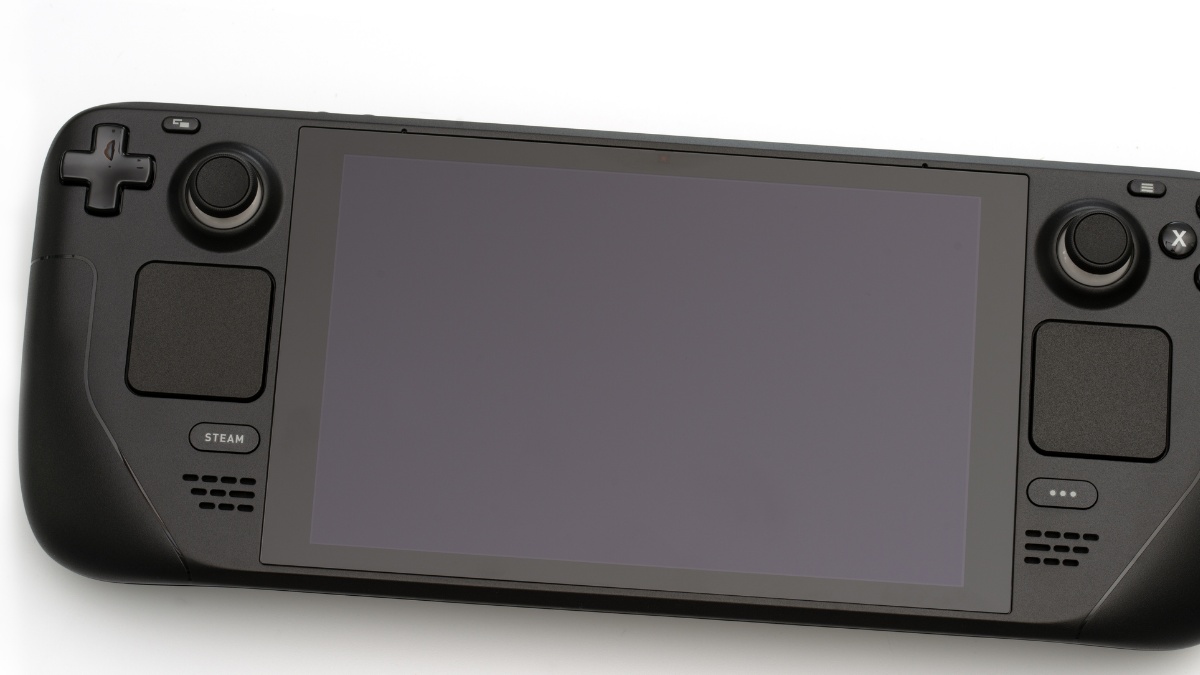

The Steam Deck OLED is facing ongoing stock issues in the United States, with Valve warning that intermittent shortages are likely to continue. As detailed by Video Games Chronicle, availability has fluctuated in recent weeks, with “Sold Out” notices appearing more frequently on the official store.
The shortage has intensified to the point that all three Steam Deck models are currently listed as sold out on the U.S. storefront. Valve confirmed that availability may continue to shift due to difficulty securing components, stating, “Steam Deck OLED may be out-of-stock intermittently in some regions due to memory and storage shortages.”
Valve also confirmed that the Steam Deck LCD 256GB model is no longer in production. Once the existing inventory is depleted, that version will not return. The broader supply strain has also affected upcoming hardware plans, with Valve delaying price and release details for its Steam Machine and Steam Frame devices earlier this month amid rising PC component costs.
AI-driven memory demand is squeezing gaming hardware supply
Unlike the 2020 to 2023 global chip shortage, the current pressure stems largely from demand generated by AI data centers. These facilities are purchasing large volumes of memory components, contributing to reduced availability for consumer electronics manufacturers.
The situation has been described by some in the industry as “RAMmageddon,” with memory prices rising sharply. Reports cited by VGC indicate that DRAM prices increased by as much as 172% throughout 2025, placing additional strain on hardware makers. Separate business headlines have included the Hyatt chairman’s resignation fallout.
The impact extends beyond Valve. Major companies such as Apple and Tesla have warned that production output could be constrained due to difficulty sourcing key components, reflecting broader stress across the consumer electronics sector.
Gaming hardware may face particular challenges if the memory supply remains tight. Analysts and companies have projected significant downstream effects on next-generation consoles, with speculation that Sony could delay the PlayStation 6 until 2028 or 2029 if component bottlenecks persist.
Nintendo has also addressed the issue. President Shuntaro Furukawa said the company currently has no plans to raise the price of the Switch 2, though that position could change if component costs continue to climb.
Industry observers expect that sustained increases in memory prices could eventually translate into higher retail prices for consoles and other hardware, as manufacturers weigh how long they can absorb rising production costs. Separately, Mercedes’ brunch bill scheme has circulated widely on social media in recent days.









Published: Feb 17, 2026 06:00 am