



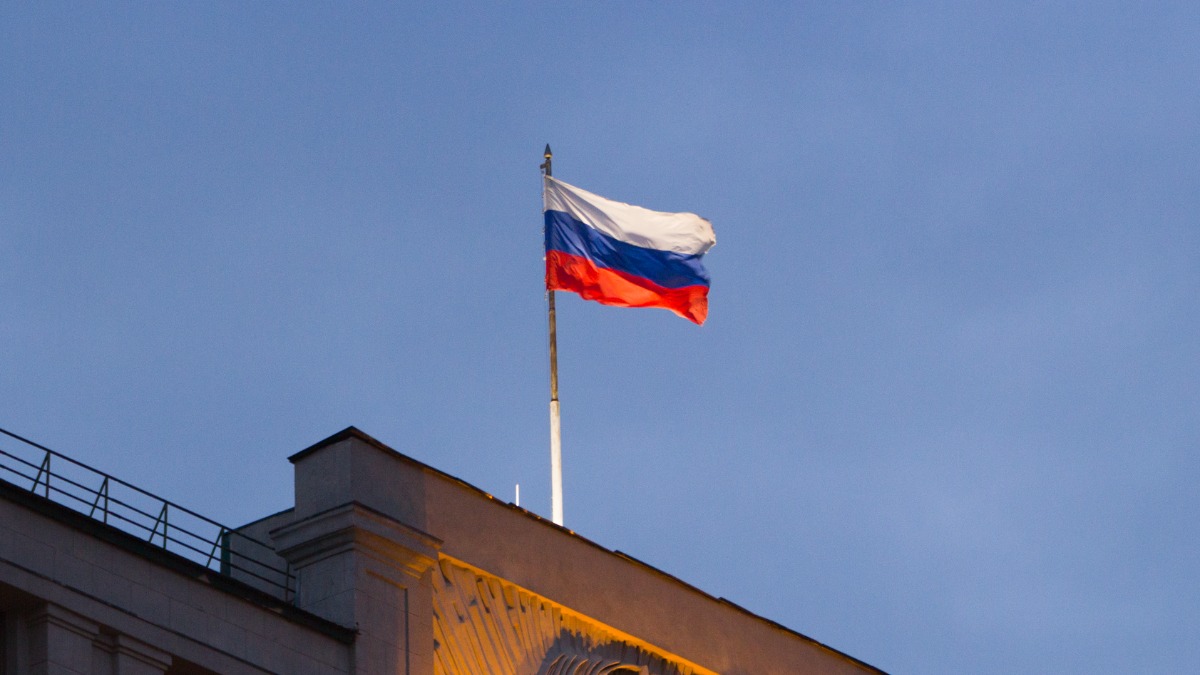

The United States has temporarily lifted sanctions on Russian oil stranded at sea, allowing those shipments to reach buyers worldwide. As reported by The New York Times, the Trump administration made the move as it tries to contain energy prices that have climbed close to $100 a barrel during the war in Iran.
The Treasury Department exemptions will stay in place through April 11. Treasury Secretary Scott Bessent said releasing the oil could return hundreds of millions of barrels of crude to global markets, following a smaller temporary release last week for Russian oil headed to India. The administration is also pursuing a $20 billion maritime insurance backstop through the U.S. International Development Finance Corporation.
Bessent acknowledged that Russia would receive some financial benefit, calling that outcome unfortunate, but argued it would last only for a limited period. In a social media post, he described the step as a narrowly tailored, short-term measure that applies only to oil already in transit. He also said the Russian government gets most of its energy revenue from taxes collected at the point of extraction rather than from these specific shipments.
The policy shift could weaken years of pressure on Moscow
The decision marks a major turn in Washington’s effort to isolate Russia after its 2022 invasion of Ukraine. The United States and other Group of 7 nations had imposed sweeping penalties, including an oil price cap and a crackdown on Russia’s so-called shadow fleet of unmarked vessels used to skirt sanctions, amid rising gas prices fallout. It also reverses last summer’s move to double tariffs on India over its purchases of Russian oil.
Top Senate Democrats criticized the sanctions relief, arguing it was an attempt to limit economic damage from a war they say President Trump started. In a joint statement, they said the conflict had driven gas prices higher for Americans, who are now paying more at the pump than at any point during either of Trump’s two terms.
Edward Fishman, a senior fellow at the Council on Foreign Relations, said the policy risks undoing a large amount of pressure on Russia. He also questioned whether the move would lower prices, pointing to the earlier exemption for oil bound for India and noting that Russian oil prices have climbed since the war in Iran began.
Fishman also warned the move could widen tensions between the United States and Europe, where many governments remain committed to maintaining pressure on Moscow. With about 130 million barrels of Russian oil currently at sea, according to commodities tracking firm Kpler, the scale of the temporary relief is significant, as broader encrypted Iranian transmission concerns have added to the wider regional strain.









Published: Mar 13, 2026 05:00 am