



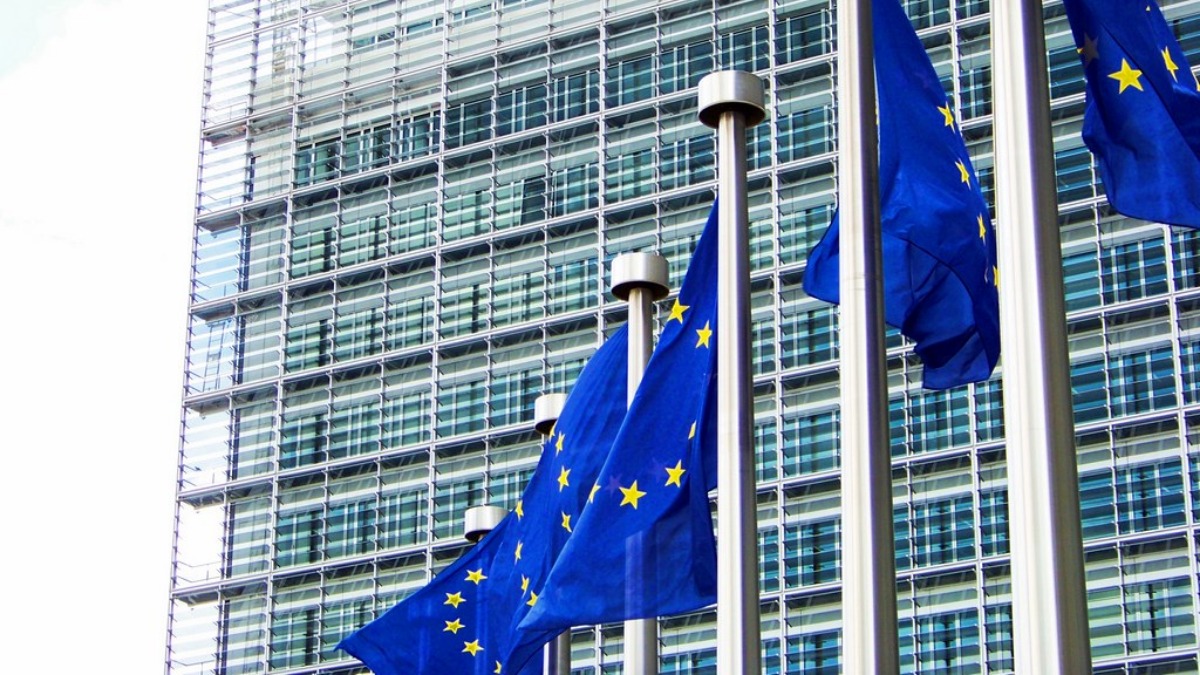

The European Union formally adopted its 20th package of sanctions against Russia on April 23, 2026, after months of deadlock that had stalled the measures well past their intended launch. The package bans an additional 20 Russian lenders from handling euro-denominated payments or conducting business within the bloc. As detailed by Politico, the move is one of the most sweeping rounds of economic pressure the EU has imposed since the full-scale invasion began.
Brussels had originally planned to announce the package on February 24, 2026, to coincide with the fourth anniversary of the invasion. That timeline collapsed when Hungary and Slovakia vetoed the measures, with both countries accusing Ukraine of deliberately slowing repairs to the Druzhba pipeline, a 4,000-kilometer artery that carries Russian oil into their territories. The standoff illustrated how directly energy dependency can dictate geopolitical positioning within the bloc.
The deadlock broke once oil resumed flowing through the pipeline. In Hungary, the political climate shifted after Viktor Orbán lost his reelection bid to center-right challenger Péter Magyar, and Budapest subsequently dropped its opposition to both the sanctions package and a separate €90 billion financial lifeline for Ukraine. European Council President António Costa confirmed the news, stating, “Europe stands firm, united and unwavering in its support to Ukraine.”
Energy leverage turned out to be the real veto all along
With the 20 newly sanctioned lenders, the EU has now cut off a total of 70 Russian banks from SWIFT, the global financial messaging system underpinning international trade. Institutions locked out of SWIFT face severe barriers to processing cross-border payments, effectively isolating them from the global economy.
The package also targets four banks in Kyrgyzstan, Laos, and Azerbaijan, identified for helping Russia route around existing restrictions or for their ties to Russia’s own financial messaging network, per the European Commission. EU businesses are now also prohibited from engaging with any Russian firms that deal in cryptocurrency, closing off a growing digital workaround to traditional banking controls.
Among the most notable additions is the first-ever activation of the EU’s anti-circumvention tool, applied specifically to Kyrgyzstan. Customs data showed high-tech goods, including radio equipment and metal-working machines, being shipped to Kyrgyzstan before being funneled into Russia. Exports of those specific categories are now banned under the new rules.
While Kyrgyzstan has pledged to implement its own export restrictions to Russia, the EU is monitoring trade in other sensitive sectors as well. This comes amid continued European efforts to maintain pressure on Moscow, even as separate questions have emerged about US strategic decision-making during the Iran conflict that have complicated the broader Western posture.
The package extends well beyond the banking sector. It includes 36 listings related to Russia’s energy industry, covering extraction, refining, and transportation. On the maritime side, 46 vessels have been added to the EU’s sanctions list under a port access ban, bringing the total number of sanctioned shadow fleet ships to 632. New safeguards on tanker sales and a future maritime services ban on Russian crude are intended to tighten pressure on Russia’s primary revenue source.
Trade restrictions in the package cover new import bans on metals, chemicals, and minerals, alongside export bans on goods such as rubber and tractors. The measures also target online mirror sites that clone banned outlets like Russia Today, and introduce new legal protections allowing EU firms to claim damages when hit by abusive lawsuits in Russian courts. Ukraine’s own positioning in the broader conflict has grown more complex in recent months, with Kyiv separately offering drone assistance to US Gulf allies in exchange for additional Patriot air defense systems.
The 20th sanctions package entered into force on April 23, 2026.









Published: Apr 23, 2026 08:15 pm