



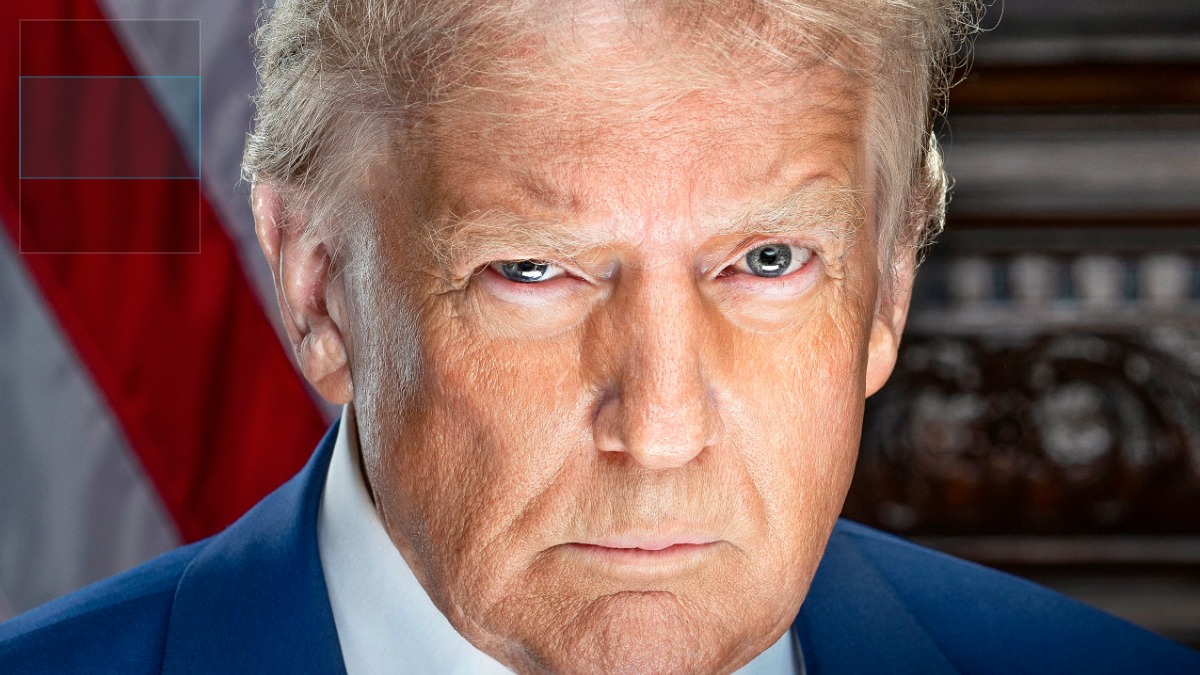

President Donald Trump claimed that “numerous countries” are already on their way to help reopen the Strait of Hormuz, but he refused to name a single one when directly asked. He spoke to reporters at an impromptu press conference, repeating his demand for other nations to send naval ships to help escort oil tankers through the critical waterway.
Trump said he would “strongly encourage” other countries to “get involved with us and get involved quickly – and with great enthusiasm” to protect traffic in the strait. This key waterway handles about one-fifth of the world’s oil supply. Over the weekend, he posted on social media, calling on “China, France, Japan, South Korea, the UK and others” to “send ships to the area so that the Hormuz Strait will no longer be a threat by a nation that has been totally decapitated.”
According to The Independent, many of America’s usual allies have so far refused the call. British Prime Minister Sir Keir Starmer told reporters that while he is in talks with other countries about reopening the strait, the UK “will not be drawn into the wider war.” Italy, Germany, and Greece have also declined to involve their militaries in the conflict, which Trump launched without consulting the US Congress.
European reluctance over the Strait of Hormuz appears to confirm Trump’s long-held frustrations with NATO allies
Trump expressed frustration with the lack of enthusiasm from some nations, saying, “Some are very enthusiastic about it, and some are countries that we’ve helped for many, many years. We’ve protected them from horrible outside sources, and they weren’t that enthusiastic. And the level of enthusiasm matters to me.”
He also complained that “other nations whose economies depend on the strait far more than ours” were not getting involved, specifically naming Japan, China, South Korea, and the European Union. “We get less than 1% of our oil from the strait, and some countries get much more … so we want them to come and help us with the strait,” he added.
Trump then repeated his long-standing criticism of NATO members for not responding to his demands, characterizing the 32-member alliance as a protection racket. Reports indicate that Trump’s conditions for ending the conflict require nothing short of Iran’s full surrender, which officials warn could drag the war on significantly longer.
“I said … for 40 years, we’re protecting you, and you don’t want to get involved in something that is very minor, very few shots going to be taken, because they don’t have many shots left?” he remarked. Trump then claimed that European reluctance confirms his criticism of NATO and his assertion that NATO members would not respond to an attack on the US.
It is worth noting that NATO’s mutual defense provision has only ever been activated once; to defend the United States after the September 11, 2001, terror attacks. The effective closure of the strait has forced exporters to cancel shipments and shut down production at oilfields, creating the world’s biggest-ever supply disruption.
Crude oil prices have surged to their highest in four years, and some fuel prices have reached record highs. This situation is particularly striking given that Trump privately dismissed Iran closing the strait as something that would never happen, right before ordering strikes.
While administration officials have indicated Trump would soon announce a multi-national effort to escort commercial ships through the strait, it remains unclear which countries, if any, have actually committed to participating.




Published: Mar 17, 2026 07:30 pm