



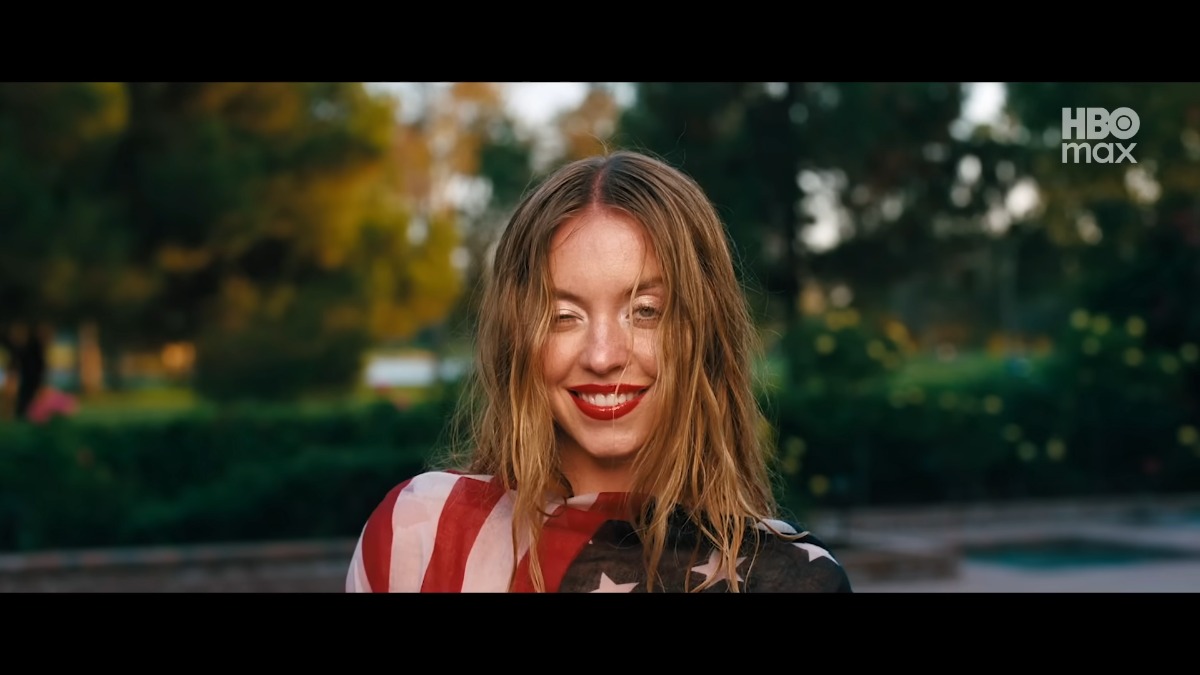

Euphoria’s third season just dropped its first episode, and the internet is already buzzing, but it’s not just about Cassie’s wild storylines or Sydney Sweeney’s intense acting. A viral post on X revealed something most fans didn’t know: the HBO hit is actually a remake of a little-known Israeli show with the exact same name.
The revelation has left viewers stunned, with one fan writing, “American adaptation of what show????” under a screenshot of the new season’s 57% Rotten Tomatoes score. The post racked up over ten million views, and replies ranged from shock to jokes about the original series, which was canceled after just one season.
The Israeli Euphoria aired in 2012 and was controversial for its raw depiction of teenage drug abuse. Critics weren’t kind, and the show never gained traction. HBO, however, saw potential. They brought in Sam Levinson, who was already working on early drafts for a project that would eventually become the Euphoria we know today. Levinson’s personal history with addiction made him the perfect person to adapt the show, and he completely transformed it.
The Israeli version centered mostly on young men, with a female character who struggled with drugs and self-harm
Levinson flipped the script. “I took my experiences at that age and wrote myself as a young woman,” he told the Television Academy. “I think the idea that you should stick to precisely who you are doesn’t hold water. What makes film interesting is that it’s a collision of perspectives.” That collision is what gives Euphoria its unique edge. The show isn’t just a remake; it’s a reimagining, blending Levinson’s own struggles with addiction, his memories of being a teenager, and a fresh, female-driven narrative.
Levinson’s approach to the adaptation was deeply personal. In an interview with Entertainment Weekly, he recalled his first meeting with Francesca Orsi, HBO’s Head of Drama at the time. When she asked what he liked about the Israeli series, he said she appreciated its “raw and honest portrait of drugs and being young.” That resonated with Levinson, who opened up about his own history with addiction.
“I was a drug addict for many years, and I’ve been clean for many years now,” he said. The conversation lasted two hours, and by the end, Orsi told him, “Okay, go write that.” Levinson admitted he wasn’t the type to write detailed outlines, so he sent over a 25-page document full of dialogue instead. Orsi loved it, and the rest is history.
The show’s authenticity comes from Levinson’s willingness to write himself into the story. He didn’t try to mimic teen slang or force a “youthful” voice. Instead, he leaned into his own memories. “I just wrote myself as a teenager,” he explained. “Those feelings and memories are still extremely accessible to me.” That’s why Euphoria feels so real, because it is.
The show doesn’t just depict addiction; it captures the emotional whirlwind of being young, where relationships feel all-consuming, and the world seems to be closing in on you. Levinson wanted to reflect that “heightened sense of emotion,” where every joy is amplified and every sadness feels like the end of the world.
The show’s visual style is just as intentional as its storytelling. Levinson and his team drew inspiration from Todd Hido’s photography, which captures suburban landscapes with a sci-fi-like glow. The striking cyans and golds give Euphoria its dreamy, almost alien aesthetic, reflecting the disorienting experience of being a teenager.
Levinson also cited Paul Thomas Anderson’s Magnolia as a major influence, particularly for its camera work and movement. He wanted the show to feel formal and structured, even though the narrative moves at a breakneck pace. “We didn’t want to shoot it handheld and messy,” he said. “We wanted it to have a real formality to it.”



Published: Apr 15, 2026 08:15 am