



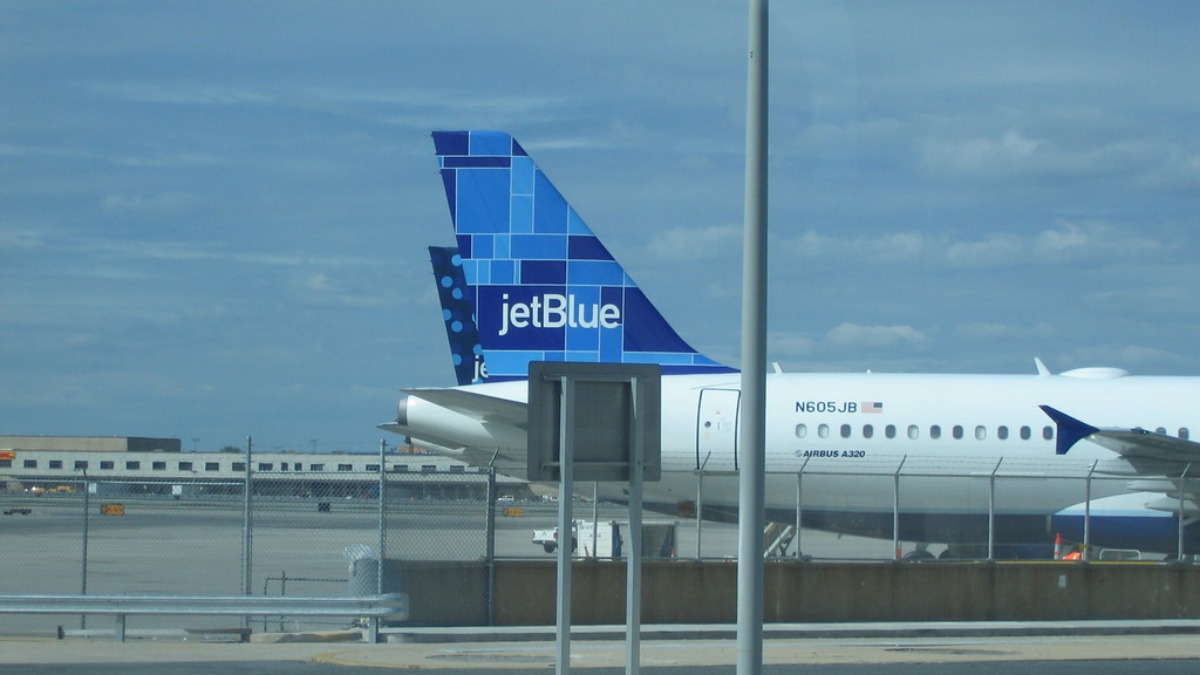

A proposed class action lawsuit has been filed against JetBlue, alleging that the airline utilizes customer personal data to dynamically manipulate ticket prices, The Guardian reported. This legal action, which landed in Brooklyn federal court late on Wednesday, centers on the controversial concept of surveillance pricing. The plaintiff in the case, Andrew Phillips, argues that the carrier hides its use of digital trackers to set fares and shares this sensitive information with third parties to help determine when it should hike costs for travelers.
The core of this dispute is a public exchange that took place on X. A passenger reached out to the airline to express frustration after seeing a ticket price jump by $230 in a single day, noting that they were only trying to attend a funeral. In a move that has now spiraled into a significant legal headache, a member of the JetBlue team replied to the user by suggesting they try “clearing your cache and cookies or booking with an incognito window. We’re sorry for your loss.”
While the airline later walked back this advice, the damage was already done. The suggestion that clearing browser data could impact the cost of a ticket served as a catalyst for the lawsuit, with the plaintiff arguing that this interaction acts as an admission that the website stores customer data to manipulate prices.
Surveillance pricing is a practice where companies track a user’s location, browsing history, and other personal data to set individual price points
The complaint filed by Phillips alleges that JetBlue engages in this by tracking customers without their consent to hike the cost of an airline seat after a user has viewed the website. The legal document states, “[JetBlue] uses tracking technology itself and otherwise allows third parties to collect, retain, and use traveler data without adequate and sufficient consent from Plaintiff and Class members using tracking technology embedded in website code. The existence of the trackers used by Defendant and by third parties on the website is a breach of travelers’ privacy.”
The plaintiff is seeking unspecified damages for what he claims are clear violations of the federal Electronic Communications Privacy Act, as well as New York’s Deceptive Trade Practices Act and New York’s Unlawful Selling Practices Act.
As Phillips noted in the complaint, “Consumers should not have to have their privacy rights violated to participate in [JetBlue’s] digital rat race for airline tickets which should cost the same for each similarly seated passenger.” It is a bold legal move, as the suit claims this is one of the very first class actions in American history regarding dynamic surveillance pricing and the surreptitious use of consumer data in order to set pricing based on consumer behavior.
JetBlue declined to comment on the pending litigation, but it previously stated that it does not use personal information or web browsing history to set individual pricing. The carrier maintains that fares are determined by demand and seat availability, and that all customers have access to the same fares on its mobile app and website.
Regarding the viral social media post, the airline stated on Monday that the response was incorrect and simply a mistake from an individual customer service crewmember. They clarified that the steps suggested by the employee would not have changed the airfares available for purchase.
The scrutiny does not stop at the courtroom doors. On Tuesday, two Democratic lawmakers, Rep. Greg Casar and Sen. Ruben Gallego, sent a letter to JetBlue CEO Joanna Geraghty demanding answers regarding the airline’s pricing strategies. The lawmakers specifically asked whether the carrier uses personal data to inform prices and expressed concern that customers could be charged different amounts for the same flight based on their personal travel needs. They have requested a response by 30 April.
This is not the first time lawmakers have flexed their oversight muscles regarding airline pricing and technology. In November, two dozen congressional lawmakers asked Delta Air Lines to address whether it used or planned to use generative AI in setting prices, to which Delta responded that it did not.








Published: Apr 24, 2026 04:00 pm