



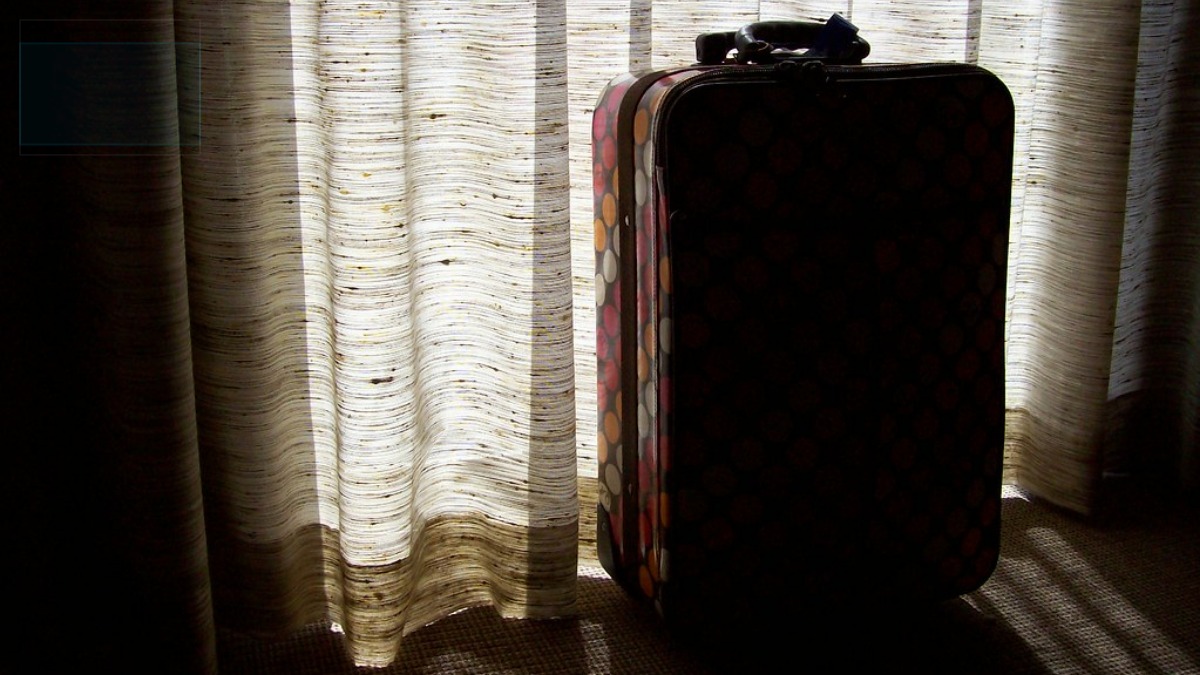

If you have already paid for your summer getaway, you may want to keep a close eye on your inbox. As detailed by LADbible, a little-known piece of legislation means your package holiday price can still increase after booking, without much warning.
Ongoing tensions in the Middle East have sent the cost of jet fuel on a rollercoaster ride. Disruption around the Strait of Hormuz, following the US-Israeli war on Iran, has pushed up airline operating costs, and those costs can trickle down to travelers.
Under the UK’s Package Travel Regulations, companies are legally permitted to raise the price of a package holiday by up to eight percent after it has been booked. These increases can occur due to major fuel price rises, the introduction of new taxes at the destination, or significant shifts in currency exchange rates.
Your rights are more specific than most people realize
Jo Rhodes from the consumer group Which? addressed the issue during an appearance on ITV’s Holiday Havoc: Where Should You Go? “The package holiday providers can ask for more money from you even after you’ve booked,” she said. Rhodes was clear on where the line sits: “Up to eight per cent of what you’ve paid – anything over that and you have a right to cancel for a full refund.”
If you receive a price increase notice at or above eight percent of the total booking cost, you are entitled to cancel without paying any termination fees. If the increase falls below that threshold, you may be required to pay the difference, provided the travel company outlined this possibility in their terms and conditions. In either case, the provider is legally required to show how the additional cost was calculated.
There is some reassurance from the major carriers. Ryanair CEO Michael O’Leary has stated the airline is well hedged against fuel price volatility, while easyJet has confirmed it will not add fuel surcharges to summer 2026 bookings. Jet2 and TUI have both issued similar assurances, telling customers that holiday prices are fixed with no fuel surcharges being added. The Iran blockade’s continued pressure on oil prices has been a key driver of the cost volatility affecting airlines this season.
Despite those assurances, travel experts are urging caution. Paul Charles, chief executive of the travel consultancy the PC Agency, warned: “Travelers will be paying more over the coming months.” He added that checking emails and messages daily is essential, as airlines are under pressure and delays or cancellations remain possible if jet fuel availability tightens or companies make changes for profitability reasons.
For those unsure whether their trip is covered, a holiday qualifies as a package if it was advertised as all-inclusive, if multiple components such as flights and accommodation were purchased from one company for a single price, or if additional services were added within 24 hours of the initial booking. Linked Travel Arrangements carry less protection in the event of a price change, though they do still provide insolvency cover if a company collapses. The UK has shown a pattern of passing new consumer-facing legislation lately, with a recent law restricting cigarette sales to certain age groups drawing significant attention.
The Package Travel and Linked Travel Arrangement Regulations 2018 require tour operators to deliver what was advertised. If the holiday received does not match the description, travelers have the right to request it be put right, and may be entitled to compensation if it cannot be. Checking whether your booking includes ATOL protection is also advisable, as it guarantees a refund if your travel organizer becomes insolvent.





Published: May 1, 2026 08:30 am