



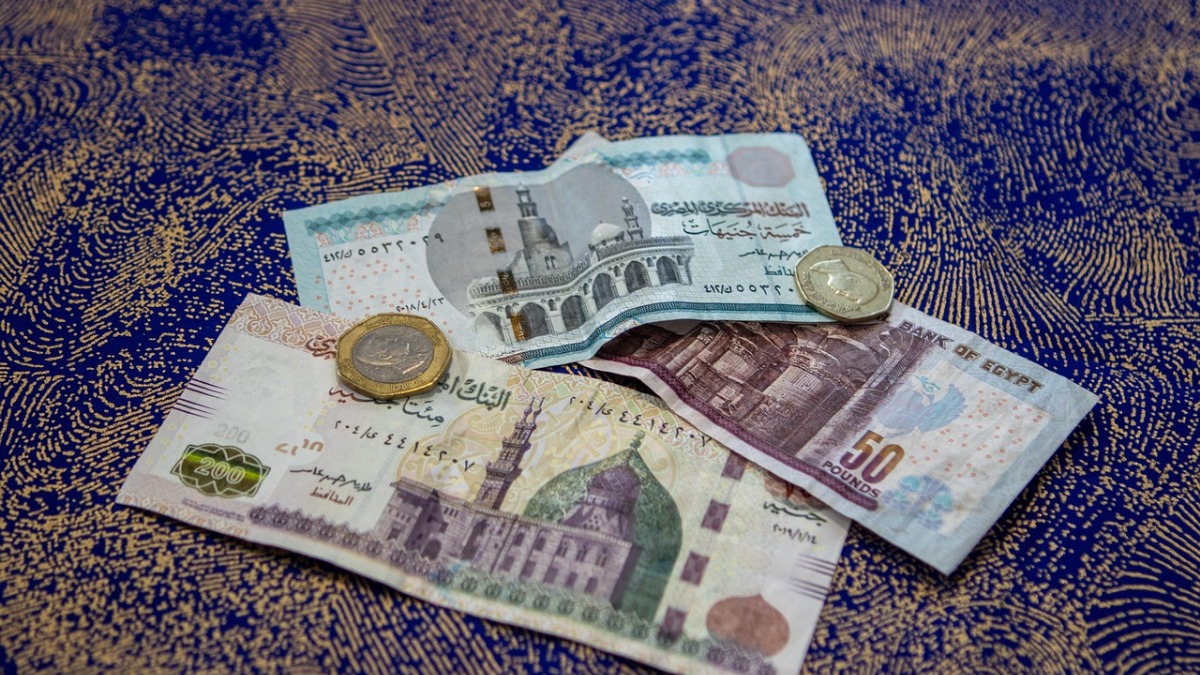

Travelers using cash machines abroad are being quietly overcharged through a little-known banking mechanism, and the cost adds up fast. As detailed by LADbible, the culprit is something called Dynamic Currency Conversion, or DCC, a process that allows foreign ATMs to handle the currency exchange themselves rather than leaving it to your home bank. The problem is that the rate they apply is almost always worse than the one your bank would use, and the prompt on screen is specifically designed to nudge travelers toward the more expensive option.
When you withdraw cash at a foreign ATM, the machine will typically ask whether you want to be charged in your home currency or the local one. Choosing your home currency feels intuitive, you can see exactly what you’re spending, but that choice hands the conversion over to the foreign bank. That bank sets its own exchange rate and pockets the difference. Wise describes DCC as a hidden fee that operates in plain sight, enabled by phrasing that makes the worse option look like the sensible one.
The numbers are concrete. A UK traveler withdrawing €20 from a Santander ATM in Spain would be charged £16.75 if they selected GBP, the DCC option. Choosing EUR instead, and letting their own bank (in this case HSBC) handle the conversion, brought the charge down to £16.44. That is 31 pence saved on a single €20 withdrawal. Against the mid-market rate, choosing DCC produced a true fee of 6.1 percent on the transaction, while rejecting it brought that figure down to 4.1 percent.
The difference compounds quickly on longer trips
The gap is even starker in larger transactions. A traveler with a EUR-denominated Estonian bank card withdrawing 100 GBP in London was offered a DCC conversion rate of 1.3551, which would have cost them 135.51 EUR. The mid-market rate that day was 1.2601, meaning the DCC option would have added a true fee of 9.50 EUR, or 7 percent, to the withdrawal. By rejecting the DCC prompt and paying in local currency, the same traveler was charged 126.12 EUR by their home bank, reflecting a true fee of just 0.11 EUR. That is a saving of nearly 10 EUR on a single transaction. It comes amid a broader pattern of changes to abroad, like Japan adding robots to their airports.
The wording of the ATM prompt is a deliberate part of the mechanism. In the Santander example, the screen read: “Press Yes for GBP, No for EUR.” The DCC option also disclosed a 2 percent markup on the Santander Wholesale Rate, but that disclosure is easy to miss and easy to misunderstand. Most travelers pressing “yes” do not register that they are agreeing to pay a premium exchange rate on top of whatever other fees their bank may apply.
The rule is consistent across currencies and countries. In the Eurozone, always select EUR. In Sweden, pick Swedish krona. In Australia, select AUD. In the United States, choose USD. The principle is the same everywhere: let your home bank handle the conversion, not the machine in front of you.
Financial expert Martin Lewis has pointed to a related issue affecting UK travelers, noting that research before a trip matters more than most people assume. He advises using tools like TravelMoneyMax to compare rates before departure, and notes that tourist resort ATMs tend to offer poor rates with limited competition, factors that compound the DCC problem. The guidance sits alongside a broader push toward new UK laws reshaping how people navigate everyday decisions. Lewis notes that some overseas bureaux do undercut UK rates, but the chances of stumbling on one by accident in an unfamiliar location are low.
The fix requires nothing more than reading the prompt carefully and pressing the button for local currency. It costs nothing extra and in most cases results in a meaningfully better exchange rate than the machine would otherwise apply.








Published: May 1, 2026 07:00 am