



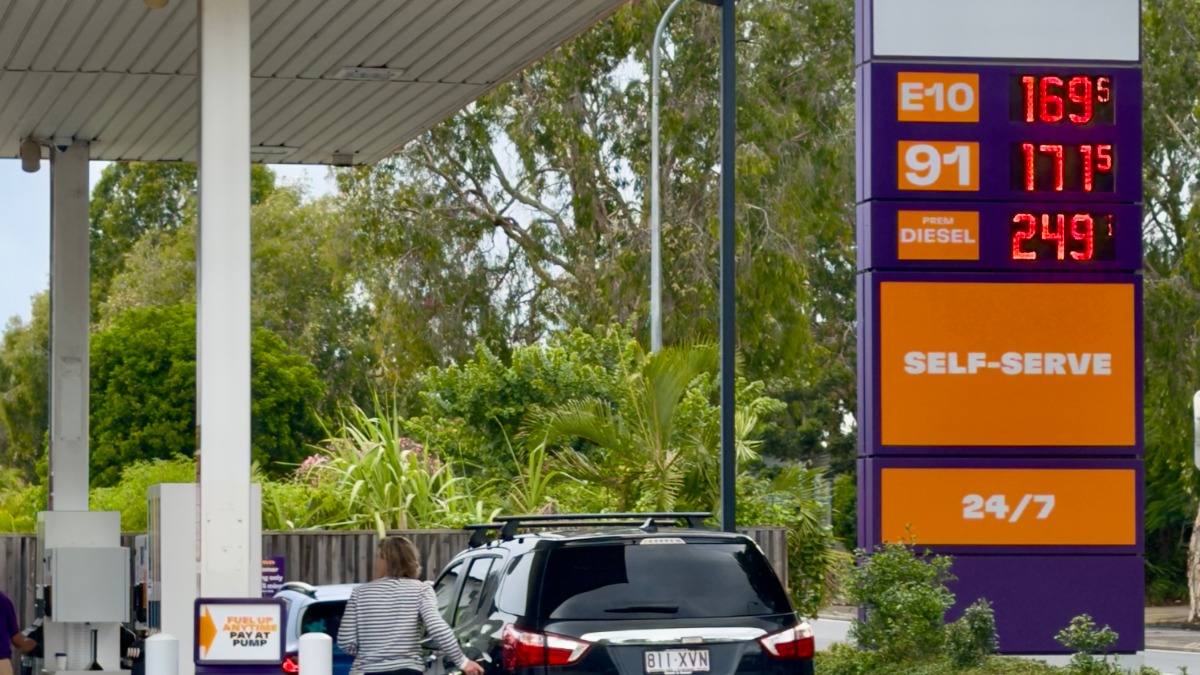

Oil prices surged on Wednesday evening, with Brent crude briefly hitting 119 dollars a barrel as markets reacted to reports that the United States is preparing for an extended blockade of Iran. This sharp increase represents a nearly 7 percent jump in a single day, marking the highest price point seen so far this month, the BBC reported.
Traders appear to be interpreting recent signals from the White House as confirmation that the closure of the Strait of Hormuz is likely to persist for a significant period of time. The situation remains fluid, but the immediate economic fallout is already being felt by consumers who are dealing with the reality of higher energy costs.
The tension surrounding the Strait of Hormuz is the primary driver behind this volatility. This maritime passage is critical to global energy stability, as it typically carries about a fifth of the world’s supply of oil and liquid natural gas. The strait has been effectively closed for weeks due to the ongoing conflict. Iran began severely restricting shipping through the area in response to strikes from the United States and Israel that started on February 28.
The diplomatic and economic stakes are incredibly high
Earlier this month, Tehran issued a stark warning that any vessel approaching the strait would be targeted. In response, the United States announced that its own forces would intercept or turn back vessels traveling to or from Iranian ports. Analysis by BBC Verify indicates that at least four vessels tracked from Iranian ports have appeared to cross the United States blockade line despite these threats.
On Tuesday, energy executives, including Chevron chief executive Mike Wirth, met with President Donald Trump at the White House to discuss how to manage the fallout from the conflict for American consumers. According to a White House official, the discussion covered a wide range of topics, including domestic energy production, progress in Venezuela, oil futures, natural gas, and shipping.
The official described the meeting as part of the President’s regular schedule of meetings with energy executives to discuss the state of their industry. However, the market reaction suggests that traders are looking past the routine nature of the talks. The meeting followed separate reports that the President has instructed his aides to prepare to extend the blockade of Iranian ports as a strategy to squeeze the country’s economy.
The economic pressure on Iran is indeed intensifying. The Statistical Center of Iran has reported that the annual inflation rate has reached 53.7 percent, and the national currency, the rial, has plummeted to a record low. The Iranian government stated last week that approximately two million Iranians have lost their jobs either directly or indirectly because of the war.
Despite these challenges, Iranian officials maintained that the country could withstand the blockade because it is utilizing alternative trade routes. Meanwhile, President Trump urged Iran to ‘get smart soon’ and sign a deal. In a post on Truth Social, the President stated the country ‘couldn’t get its act together.’
The path forward remains uncertain for global markets. While the price of oil had previously dropped to 90 dollars a barrel on April 17 following the announcement of a ceasefire between Israel and Lebanon, it has been trending upward for 12 days as the blockade continues.
Lindsay James, an investment strategist at Quilter, noted that while the impact in the United Kingdom has been largely limited to higher petrol and diesel prices, there is a growing danger. She stated that “every day that passes without a resumption of supply sees the risk of physical shortages and steeper price rises on a range of goods increasing”.
The broader financial landscape is also showing signs of strain. European stocks fell on Wednesday as investors processed the news alongside corporate earnings and awaited the latest interest rate decision from the Federal Reserve. The FTSE 100 closed down 1.2 percent, while the pan-European Stoxx index was down 0.7 percent.
France’s Cac and Germany’s Dax also saw slight declines. In the United States, the Nasdaq saw marginal gains in early trading, while the S&P opened down 0.15 percent. Kathleen Brooks, research director at XTB, noted the shift in market sentiment, saying: “Financial markets will now need to price in the prospect of a prolonged blockade.”
Looking further ahead, the World Bank issued a forecast on Tuesday suggesting that energy prices could surge by 24 percent in 2026 if the most acute disruptions caused by the Iran conflict end in May. This would bring prices to their highest level since the Russian invasion of Ukraine four years ago. For now, the combination of a prolonged blockade and the strategic standoff between major powers continues to keep global energy markets on edge, ensuring that the cost of oil remains significantly higher than it was before the conflict began.








Published: Apr 29, 2026 05:30 pm