



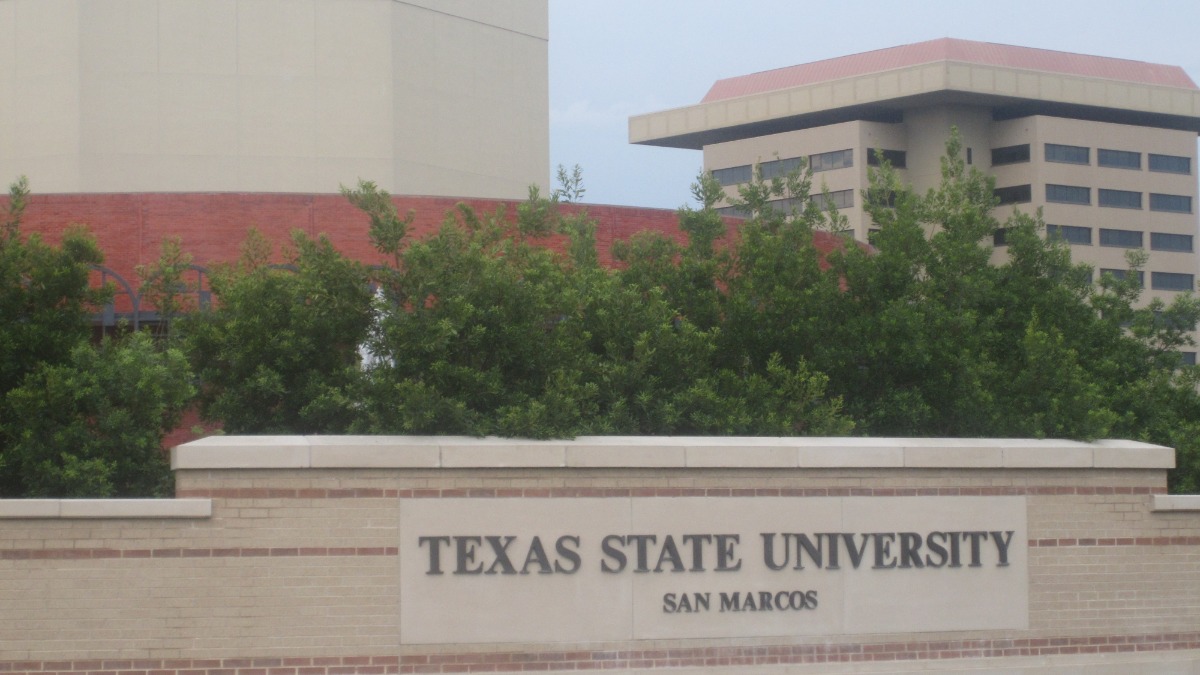

Texas State University professor Idris Robinson has been granted a significant reprieve after a district court judge ordered the school to continue his employment and salary, The Guardian reported. This ruling comes after the university moved to terminate Robinson, a decision he claims was triggered by a lecture he delivered in North Carolina regarding the liberation of Palestine. The legal intervention ensures that Robinson will remain on the payroll for at least another year, or until his ongoing lawsuit against the university reaches a final conclusion, whichever happens first.
For Robinson, the threat of losing his position was not just an administrative hurdle, it was a move that would have effectively barred him from securing future teaching roles. Robinson has been balancing this legal battle while raising a 16-month-old son, describing the recent weeks as the most stressful period of his fatherhood to date.
District court Judge Alan Albright, who delivered the ruling, was clear in his assessment of the situation. In his written decision, Albright noted that the state put Dr. Robinson’s career in grave danger by violating his First Amendment rights. The judge also pointed out during a hearing on Tuesday that the university failed to provide a compelling argument that the speech given by the plaintiff was not a primary factor in the decision to end his contract. This observation was highlighted by Yarden Azoulay Katz, a member of the legal team representing the professor.
This development serves as a major win for academic freedom
Robinson expressed relief following the ruling, stating, “It’s the right decision. I didn’t do anything wrong. I do my job and I do it well.” His attorney, Samantha Harris, who has spent two decades litigating similar retaliation claims, emphasized that the university’s actions were an adverse measure carried out for an unlawful reason. According to Harris, the judge’s decision indicates a substantial likelihood of success regarding the professor’s claim of First Amendment retaliation.
The implications of this ruling extend well beyond Robinson’s individual case. Zach Greenberg, the director of Faculty Legal Defense at the Foundation for Individual Rights and Expression, described the decision as a shot across the bow for many universities that have violated free speech rights. He added that the ruling bodes well for the future of academic freedom across the country.
The initial complaint, which gained attention in March, notes that Robinson maintained four years of stellar performance reviews prior to this incident. The lecture in question took place in 2024, and during the event, a fight broke out before Robinson could even finish his talk.
Notably, neither Robinson nor any other speakers mentioned his affiliation with Texas State University during the event. Robinson maintains that his lecture was not merely an expression of opinion, but an analysis of the historical event of October 7 and its aftermath. He noted that everyone made this big mess about a talk I didn’t even finish.
Despite the legal victory, Robinson admits the experience has had a chilling effect on his academic work. While fighting the disciplinary proceedings, he authored a new book titled The Revolt Eclipses Whatever the World Has to Offer. In an affidavit, he revealed that he deliberately avoided using the specific words Israel or Palestine in two chapters, referring instead to the holy land to avoid further scrutiny from the university.
Robinson views this pattern of institutional behavior as part of a broader trend he characterizes as a third Red Scare in the United States. He believes that being a Black, leftist philosopher has made him a specific target in this environment. Beyond the professional fallout, he has also faced severe online harassment, including threats against his family. He recounted that someone even sent a text message to his wife stating, “Idris f’d up.”
While the lawsuit proceeds, Robinson intends to return his focus to his philosophical research. He is currently working on a project concerning the work of Ludwig Wittgenstein, the influential Austrian-British thinker known for his studies on logic and language.
Ultimately, Robinson hopes that his case will serve as a beacon for others in academia. He stated, “I hope [the judge’s decision] sets a precedent – so people see they can stand up and fight, see things out to the end.” He added that he hopes it helps other academics who have been facing disciplinary actions to fight on, noting that even in a state like Texas, you can win.
Throughout the ordeal, he has maintained a perspective on the relative scale of his struggles, noting that his stress is nowhere near as stressful as being a father in Gaza who can’t feed or protect his children.








Published: May 14, 2026 06:45 pm