




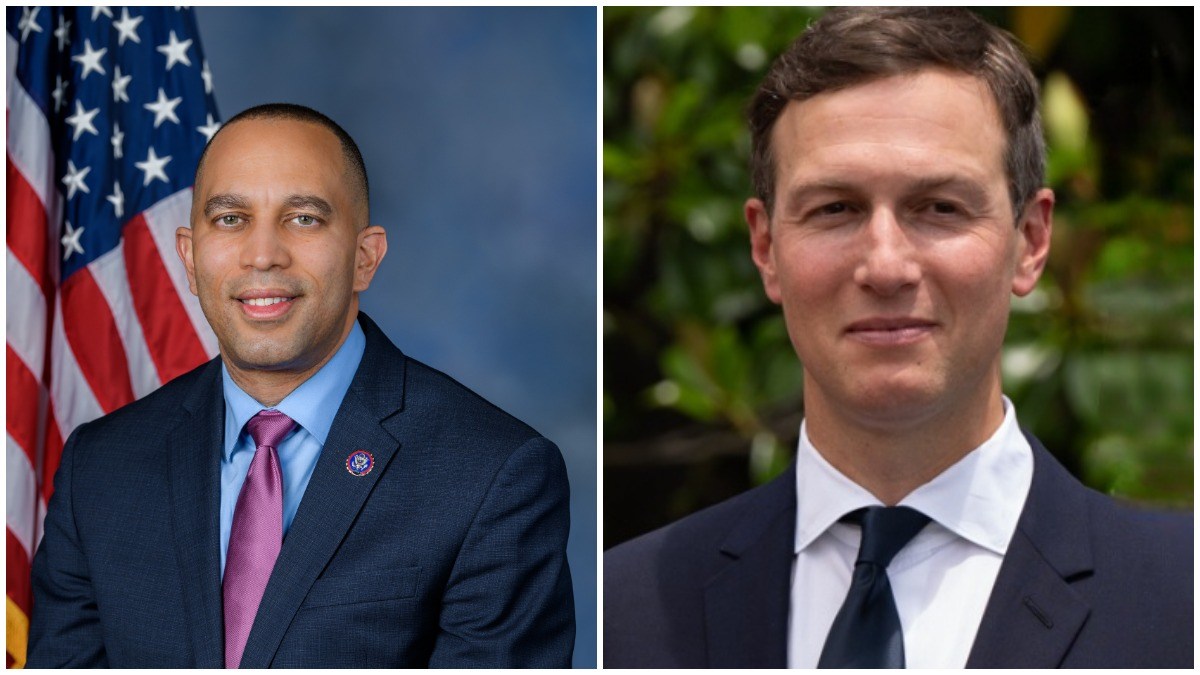
The U.S. is close to finalizing a one-page, 14-point memorandum of understanding with Iran to end the ongoing war in the Gulf, an exclusive Axios report claims. According to two U.S. officials and two other sources briefed on the matter, the White House believes it is nearing an agreement with Iran. This comes after weeks of negotiations between U.S. envoys Steve Witkoff and Jared Kushner and several Iranian officials, both directly and through mediators.
The U.S. is expecting Iran to respond on several key points within the next 48 hours. Nothing has been agreed yet, but sources say this is the closest both sides have come to a deal since the war began. The memorandum would formally end the war and set a framework for more detailed nuclear negotiations to follow.
In its current form, the memo would declare an end to the war and begin a 30-day period of negotiations covering a detailed agreement to open the Strait of Hormuz, limit Iran’s nuclear program, and lift U.S. sanctions. Iran’s restrictions on shipping through the strait and the U.S. naval blockade would be gradually lifted during that 30-day period. If the negotiations collapse, U.S. forces would be able to restore the blockade or resume military action.
The deal looks promising on paper, but serious disagreements and skepticism remain on both sides
One of the key provisions is that Iran would commit to a moratorium on nuclear enrichment. The duration of this moratorium is still being negotiated: three sources say it would be at least 12 years, while one source put 15 years as the likely outcome. Iran proposed 5 years, and the U.S. demanded 20. After the moratorium expires, Iran would be allowed to enrich uranium to the low level of 3.67%.
Iran would also commit in the memo to never seek a nuclear weapon or carry out any weapons-related activities. The two sides are also discussing a clause that would prevent Iran from operating underground nuclear facilities. Iran would additionally commit to an enhanced inspections system, including snap inspections by UN inspectors. Marco Rubio has previously acknowledged that Iran’s nuclear material still needs to be addressed even as military operations wind down.
On the U.S. side, the deal would involve a gradual lifting of sanctions on Iran and the gradual release of billions of dollars in frozen Iranian funds held around the world. Reports of a possible agreement caused global oil prices to drop sharply, with benchmark Brent crude futures falling around 11% to about $98 a barrel. Global share prices rose and bond yields fell on optimism that the war could end.
In an early morning social media post, President Donald Trump said: “Assuming Iran agrees to give what has been agreed to, which is, perhaps, a big assumption, the already legendary Epic Fury will be at an end, and the highly effective Blockade will allow the Hormuz Strait to be OPEN TO ALL, including Iran.”
Trump added: “If they don’t agree, the bombing starts, and it will be, sadly, at a much higher level and intensity than it was before.” Trump had also paused the naval mission in the Strait of Hormuz just one day after launching it, citing progress in peace talks.
However, some U.S. officials remain skeptical that even an initial deal will be reached. The White House also believes Iran’s leadership is divided internally, which could make it difficult to reach consensus across different factions. A Pakistani source involved in the mediation said: “We will close this very soon. We are getting close.”
There are also notable gaps in the proposed memo. It does not address several key U.S. demands that Iran has previously rejected, such as curbs on Iran’s missile program and an end to its support for proxy militias in the Middle East. The memo also makes no mention of Iran’s existing stockpile of more than 400 kg of uranium already enriched to near weapons-grade levels, which Washington has previously demanded Iran give up.
According to Reuters, Iranian lawmaker Ebrahim Rezaei, a spokesperson for parliament’s foreign policy and national security committee, described the text reported by Axios as “more of an American wish-list than a reality,” adding: “The Americans will not gain anything in a war they are losing that they have not gained in face-to-face negotiations.”
Iran’s Foreign Minister Abbas Araqchi, visiting China, said Tehran was holding out for “a fair and comprehensive agreement,” and Iran’s Tasnim news agency cited an unidentified source as saying Iran still had objections to the U.S. proposal.






Published: May 6, 2026 12:45 pm