



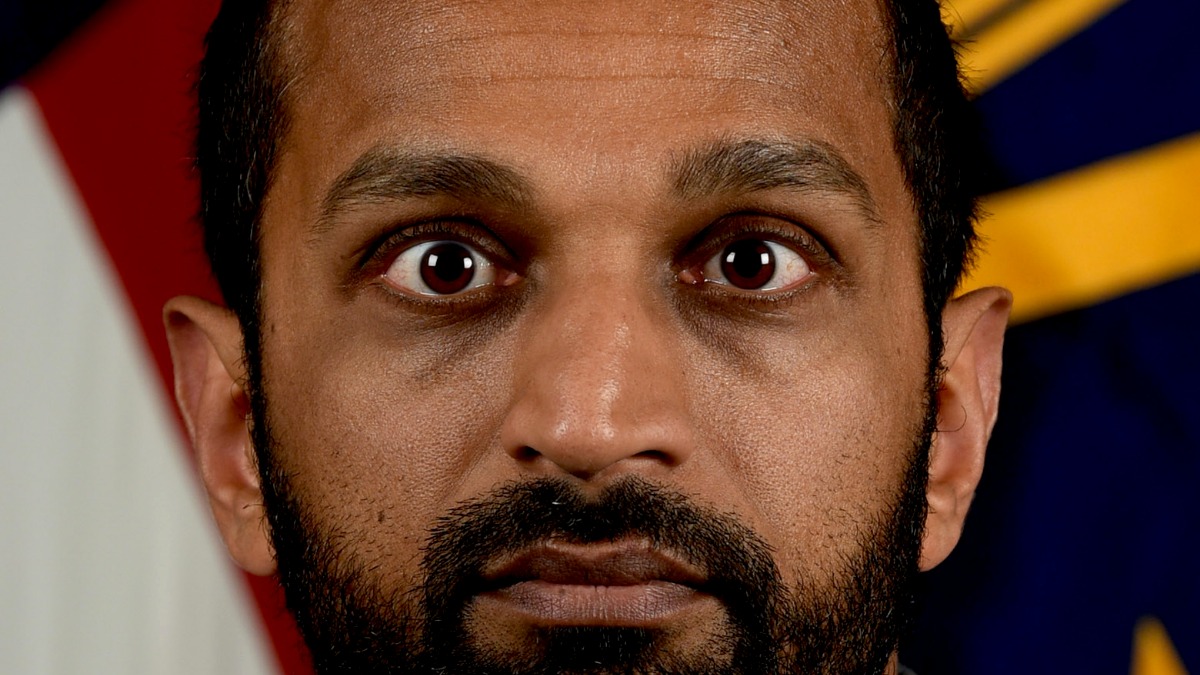

The FBI has undergone a massive shift in its operational focus and internal culture over the past year, marked by a heavy push into artificial intelligence and a controversial pivot toward immigration enforcement. FBI Director Kash Patel has framed these changes as a long-overdue modernization effort, claiming the bureau was previously running on archaic systems that left it behind the times.
In a Fox News op-ed, Patel stated that when he arrived, the bureau was essentially using a Commodore 64 when it needed a supercomputer, and he set out to replace what he described as Band-Aids on gunshot wounds with a complete technological overhaul. Patel points to specific AI implementations as the core of this progress. Under his leadership, the bureau established an AI Review Board, appointed a chief AI officer, and launched an AI Champions Program to advocate for these tools.
According to Patel, these systems are already delivering tangible results. He highlighted that the FBI located 6,300 missing children last year, a 30% increase, and arrested 2,000 abusers, representing a 20% increase. He also noted that AI tools now assist in scanning calls at the National Threat Operations Center, summarizing threats and comparing them against existing databases. In one instance, he noted that this process helped stop a plot for a mass shooting at a North Carolina preschool.
However, the reality inside the bureau appears significantly more complex, and many current and former employees are raising alarms about the direction of the agency
While Patel touts these statistics as proof of a modernized, high-performing FBI, field-office leaders and agents suggest the numbers are misleading because they now include categories of work the FBI previously did not handle. One field-office leader explained that the bureau is now counting work that was historically left to local police departments. By assigning agents to street-level immigration enforcement, the agency is generating different types of statistics that do not necessarily reflect the complex, long-term investigations the FBI was once famous for.
This shift in mission has caused significant internal friction. The bureau has reportedly diverted more than 20% of its workforce to immigration enforcement, which agents say has pulled resources away from critical areas like public corruption, cybercrime, white-collar crime, and counterterrorism.
One former central U.S. case agent described having to abandon an undercover operation involving a neo-Nazi group because they were pulled away for these new assignments, noting that when they resigned, there was nobody left to pick up the investigation. Others have expressed concern about the bureau’s involvement in investigating protesters, with former supervisory intelligence analyst Jill Fields stating that she pushed back against orders to investigate anti-ICE protesters because it felt like a violation of First Amendment rights.
The internal atmosphere has been further strained by personnel changes and new physical fitness requirements. Patel and former Deputy Director Dan Bongino introduced a new fitness test that replaces sit-ups with pull-ups, a change that some employees fear will disadvantage female recruits. According to a senior executive, Bongino was concerned about how agents would look on doorbell camera footage, stating, “You can have the best female agent take down the biggest case in our history, but if on the Ring door-camera video she’s out of shape or overweight, that’s going to be the story.”
Additionally, the firing of agents who worked on the Arctic Frost investigation into the 2020 election has created a climate of fear. Former supervisory special agent Blaire Toleman said the firings were shocking and left colleagues feeling that taking on politically sensitive cases could lead to future punishment. Former section chief John Sullivan added that this environment has shifted the culture from one focused on the work to one where employees are worried about their jobs and looking for exits.
Patel has also faced scrutiny regarding his personal use of government resources. Reports indicate that he flew on an FBI jet to see his girlfriend, country singer Alexis Wilkins, in Pennsylvania and Nashville, and later traveled to a hunting resort in Texas owned by a major Republican donor.
Former assistant director David Sundberg criticized these actions, noting that the misuse of government planes for personal errands has historically been a career-ending move for FBI directors. There were also reports of unusual requests from Patel’s staff during a Five Eyes intelligence conference, where he allegedly expressed a desire for social outings like jet skiing and soccer games instead of scheduled office meetings.
Despite the controversy, an FBI spokesman, Ben Williamson, has dismissed these accounts as a regurgitation of fake narratives and speculation from anonymous sources. Patel maintains that the FBI is now a faster, more efficient, and more accountable agency. He credits the Trump administration with providing the leadership necessary to finally update the bureau’s infrastructure, claiming that prior leadership had kneecapped the agency by refusing to invest in modern tools.
Whether these technological gains in AI and data processing will outweigh the concerns regarding the loss of traditional investigative focus remains a point of intense debate within the intelligence community.









Published: May 11, 2026 03:45 pm