



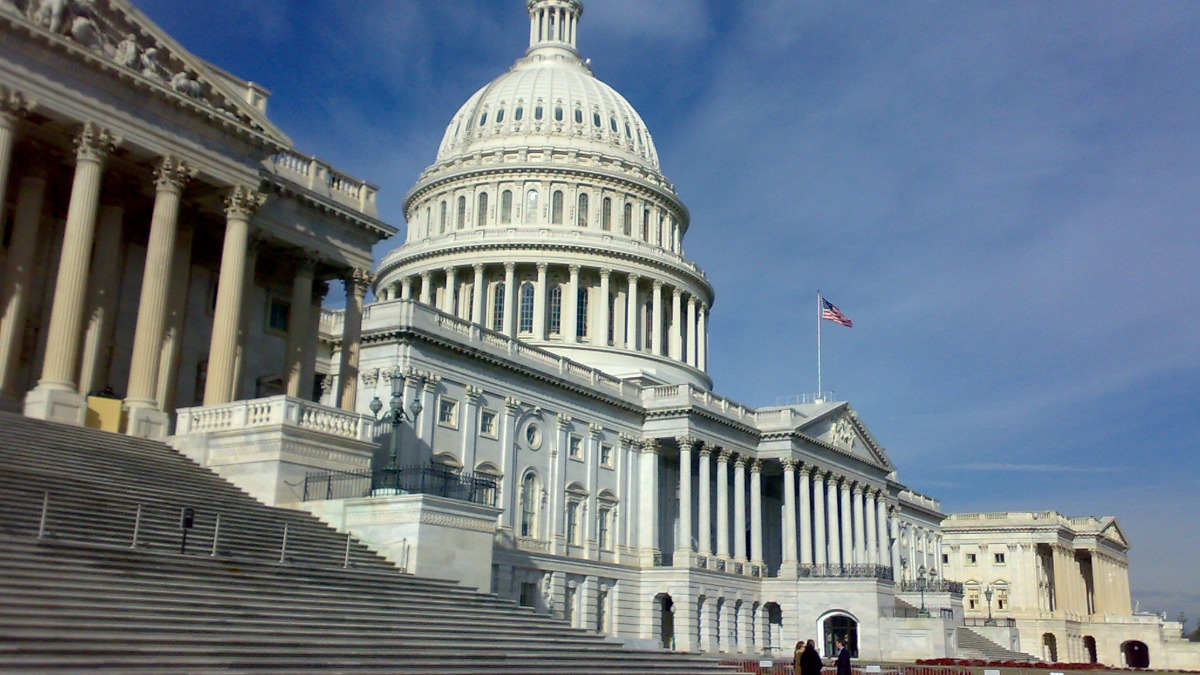

Representative Marlin Stutzman, a Republican from Indiana, is pushing for a total ban on individual stock trading across all three branches of the federal government. As reported by The Hill, Stutzman argued that such a move is essential to restore public trust in elected officials and government institutions. He emphasized that lawmakers need to operate in a manner that remains above reproach to avoid any questions regarding their financial motivations.
To put his money where his mouth is, Stutzman revealed that he has already sold off all of his publicly traded stocks. He noted that he is comfortable staying out of the market entirely, as he does not feel it is important for his own personal financial situation.
While he believes other members of Congress should make their own individual decisions on the matter, he remains firm that a broad mandate covering the entire government is the right path forward for the country. When specifically asked if his proposed ban should include the executive branch, he confirmed that it should. He stated, “I mean, in fact, I think any — take the three branches, take all of them.”
The timing of Stutzman’s comments is particularly noteworthy, coming just days after the U.S. Office of Government Ethics published financial disclosure forms regarding President Trump
These documents revealed that the President disclosed at least $220 million in financial transactions involving securities from several major American corporations earlier this year. The reported figures show a cumulative value ranging between $220 million and approximately $750 million.
The disclosure highlights purchases linked to high-profile entities such as Meta Platforms, Microsoft, Bank of America, Goldman Sachs, and Oracle. Stutzman pointed to the need for rebuilding public confidence, saying that if the trust of the American people in Congress is currently low, then implementing a trading ban would be one significant step toward regaining that standing.
This call for reform is not happening in a vacuum, as there has been a long history of legislative attempts to curb stock trading among public servants. Back on March 5, 2026, a group of House Democrats introduced a piece of legislation known as the No Getting Rich in Congress Act. This bill was spearheaded by Representatives Haley Stevens, Derek Tran, Eric Sorensen, and Andrea Salinas.
The proposed law aims to prohibit the President, the Vice President, members of Congress, federal candidates, and their families from buying or selling individual stocks. It also targets other financial instruments, including commodities, futures, and cryptocurrency.
The No Getting Rich in Congress Act goes beyond simple stock bans by establishing strict enforcement mechanisms and penalties for those who violate the rules. It also includes provisions that prevent former public officials from lobbying on behalf of foreign adversaries and extends these ethics requirements to the dependents and spouses of officials.
Representative Stevens, who is currently running for the U.S. Senate, stated, “The American people deserve leaders who are working for them, not for their stock portfolios, not for corporate board seats, and not for foreign adversaries.” She added, “Michiganders want results from their government, not self-dealing. The No Getting Rich in Congress Act draws a clear line: public servants must put their communities first, not profit.”
Representative Salinas echoed these sentiments, noting that the act provides necessary guardrails to curb insider influence and ensure that those in power are motivated by public service rather than personal gain.
Legislative efforts to address this issue have been ongoing for some time, though they have often faced hurdles regarding scope. For instance, Representatives Chip Roy and Seth Magaziner introduced a bipartisan bill called the Restore Trust in Congress Act last year. While it aimed to bar lawmakers and their families from owning or trading stocks, it failed to gain support from Democratic leadership because it did not encompass the executive branch.
This led to a subsequent bill introduced by Magaziner, which had the backing of House Minority Leader Hakeem Jeffries, specifically designed to extend the ban to the executive branch. In January, House Democrats initiated a discharge petition in an attempt to force a vote on that specific proposal.
Meanwhile, the House Administration Committee has advanced its own version of a bill, led by Chair Bryan Steil. This GOP-backed legislation would allow members of Congress and their families to retain the stocks they currently own while prohibiting the purchase of new ones. Despite these various efforts from both sides of the aisle, no significant action has been taken on the Steil-backed bill.









Published: May 18, 2026 02:45 pm