



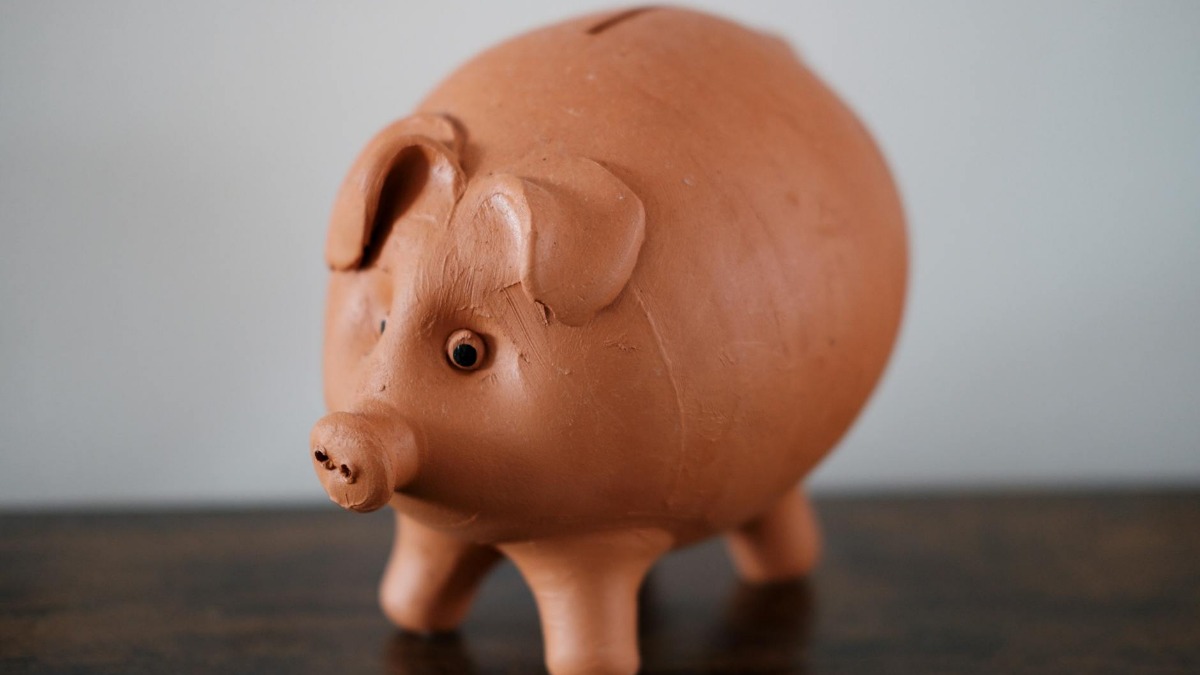

It is not every day that a beachcombing survey turns into a treasure hunt for plastic livestock, but that is exactly what has been happening along the Texas coast throughout 2026. Jace Tunnell, a marine biologist with the Harte Research Institute, has been documenting dozens of defective piggy banks washing ashore. While the beach is usually a place for sand, seaweed, and the occasional shell, these bright pink, blue, and yellow objects have become a consistent and puzzling sight for those walking the coastline.
The sheer volume of these finds is what makes this story stand out. As detailed by UNILAD, during a single survey conducted this year, Tunnell uncovered 14 of these piggy banks along just 13 miles of beach. When added to the yearly total, the number quickly climbs past 60. It is a bizarre sight to see these colorful, manufactured items tangled in thick wracks of sargassum, and it has left both experts and locals wondering how they arrived here.
Tunnell has identified some key clues about where these items are coming from. Based on his research, the piggy banks appear to originate from Caribbean or South American countries, with evidence suggesting many were manufactured in the Dominican Republic. Once these items enter the water, they are at the mercy of complex ocean currents. The Loop Current and its various eddies are particularly effective at moving debris over long distances, eventually depositing it on Texas beaches.
Texas gets more than its fair share of ocean debris
There are a few theories regarding how these piggy banks end up in the ocean. Tunnell has noted that some of the recovered items look completely brand new, with small plastic tabs still sealing the coin slots. This raises the possibility that they were sent straight from store shelves to the sea, perhaps due to a lost shipping container. Thousands of containers fall overboard every year as a reality of global logistics, and it is entirely possible that one was carrying a shipment of these specific piggy banks.
Another possibility is land-based disposal, where bulk plastic enters rivers in the region and is eventually carried out to open water. Once in the Gulf of America, formerly the Gulf of Mexico, the currents do the rest. Due to its position along major current pathways, Texas receives ten times the amount of debris compared to other states in the Gulf, a pattern that has fueled broader public interest in what lurks in the deep and what those waters carry to shore.
Not every piggy bank is found in pristine condition. Many of the ones Tunnell discovers are clearly used, featuring cuts that were likely made to extract money from inside. As Tunnell explained to 12NewsNow, “Once these piggy banks have been used, you’ll notice there’s a bunch of cuts in them. There’s no other way to get the money out, so people dispose of them, whether it’s directly in the ocean or on land.” Despite the cuts, he has yet to find a single cent inside any of the 60 items recovered so far.
Tunnell has become accustomed to fielding the same question from followers each time he posts a new find. “Every time I post one, people are like, ‘What was in there? Did you find any money?’ I just tell them, sand dollars. That’s the only thing I ever found in there,” he added. The finds have been reported from the Bolivar Peninsula all the way to South Padre Island, a stretch of coastline that has also faced its own disputes amid SpaceX beach access lawsuits involving residents nearby.
Tunnell continues to lead the effort to track these items as part of his ongoing Beachcombing series, shared across YouTube, Facebook, and Instagram. The team is keeping a close eye on whether this spike is the result of a single large event or an ongoing source of pollution. No money has been found in any of the 60 piggy banks recovered so far.






Published: May 18, 2026 12:45 pm