



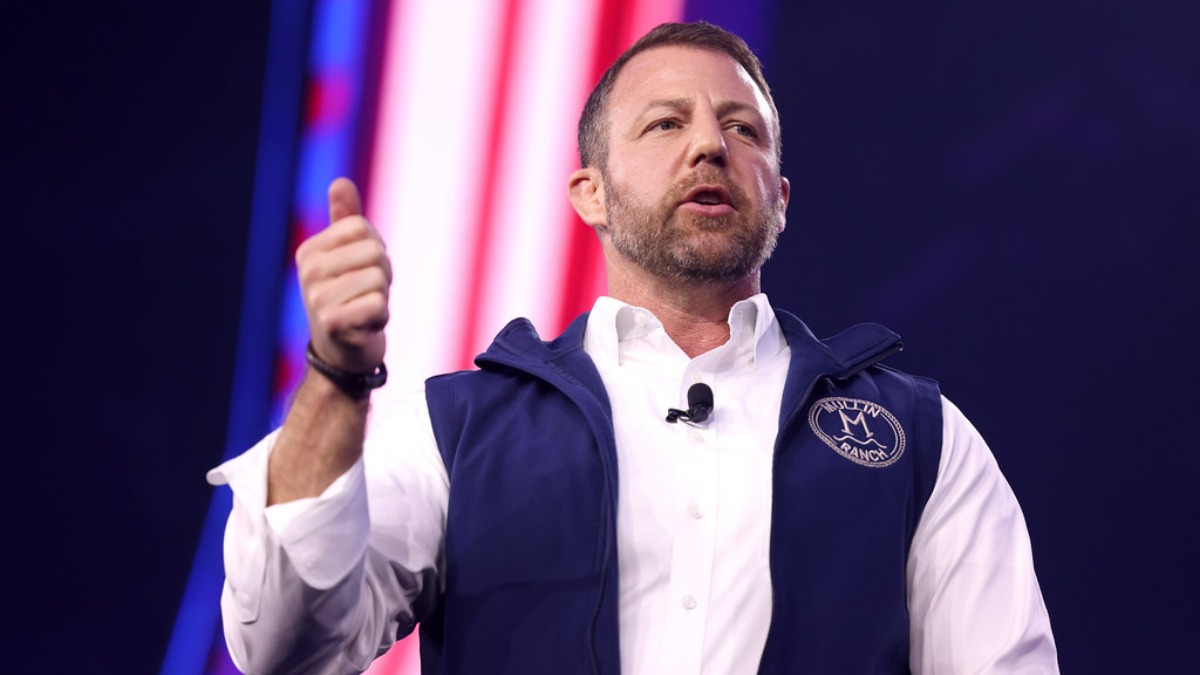

The travel industry is seriously on edge right now after Homeland Security Secretary Markwayne Mullin doubled down on his threat to pull U.S. Customs and Border Protection officers from airports located in what the administration calls “sanctuary cities,” Associated Press reported. This move could seriously mess with international flights, and it’s got everyone from major airlines to industry groups completely shaken.
The U.S. Travel Association, a big name in the industry, confirmed that Secretary Mullin reiterated his consideration of withdrawing CBP officers during a recent meeting. The trade group was actually there to voice concerns about other proposals the Trump administration is floating that could hinder travel, but this threat definitely took center stage. Both U.S. Travel and the major airlines wasted no time in condemning the idea. It’s a pretty big deal when even Transportation Secretary Sean Duffy says it “doesn’t make sense” to him, which he did earlier this week.
U.S. Travel released a statement stating, “U.S. Travel believes such a move would have devastating consequences for the travel industry and communities that depend on international visitation.” That’s a strong sentiment, and I totally get why they’re worried. Imagine the chaos this would cause at major international hubs.
Secretary Duffy, despite being part of the same administration, didn’t hold back his skepticism during a Congressional hearing
Duffy initially mentioned he wasn’t familiar with Mullin’s specific remarks and wanted to learn more about the context, perhaps even ask Mullin about what he meant. However, Duffy was pretty clear on his general stance, emphasizing that it would be a genuinely bad idea to start restricting travel based on political views. He even pointed out that political tides turn, saying, “you will all switch spots at one point — hopefully not too soon Mr. Chairman.”
Duffy continued, explaining his perspective: “We have people from around the world and around the country that need to be able to fly into all different kinds of places. We shouldn’t shut down air travel in a state that doesn’t agree with our politics.” His comments suggest there might not be a unanimous front within the administration on this particular threat, which is a bit of a relief, but the President, Donald Trump, has certainly threatened to withhold funding from sanctuary cities in the past.
The term “sanctuary policies” or “sanctuary cities” doesn’t actually have a strict legal definition, which makes things even trickier. Generally, these terms describe local governments that limit their cooperation with Immigration and Customs Enforcement, or ICE. This lack of a clear definition means there’s a lot of ambiguity about who exactly would be targeted. The Justice Department did publish a list last year that included three dozen states, cities, and counties it considers sanctuary jurisdictions. It’s not clear precisely which cities and airports Secretary Mullin might target, but that list gives us a pretty good idea of the potential scope.
Airlines for America, another major trade group representing the airline industry, was also quick to voice its concerns. They believe this idea would seriously damage the economy and cause massive disruptions to travel. They put it bluntly: “Reducing CBP staffing at major airports would have a devastating effect on the airline and tourism industries, causing a significant operational disruption to carriers, travelers and the flow of international cargo.” This isn’t just about passenger flights, it’s about the entire international supply chain.
Back in January, President Trump announced that starting February 1, he would deny federal funding to any states housing local governments that resist his administration’s immigration policies. This was an expansion of his earlier threats to cut off resources directly to the sanctuary cities themselves.






Published: May 26, 2026 06:45 pm