




Tiny homes have gained visibility over the past decade, especially after the 2008 housing crisis and again during recent affordability pressures, according to a 2025 study published in The Journal of Real Estate Finance and Economics. In one case, however, that trend has reportedly collided with local zoning rules that regulate what property and homeowners can build, even on large privately owned parcels.
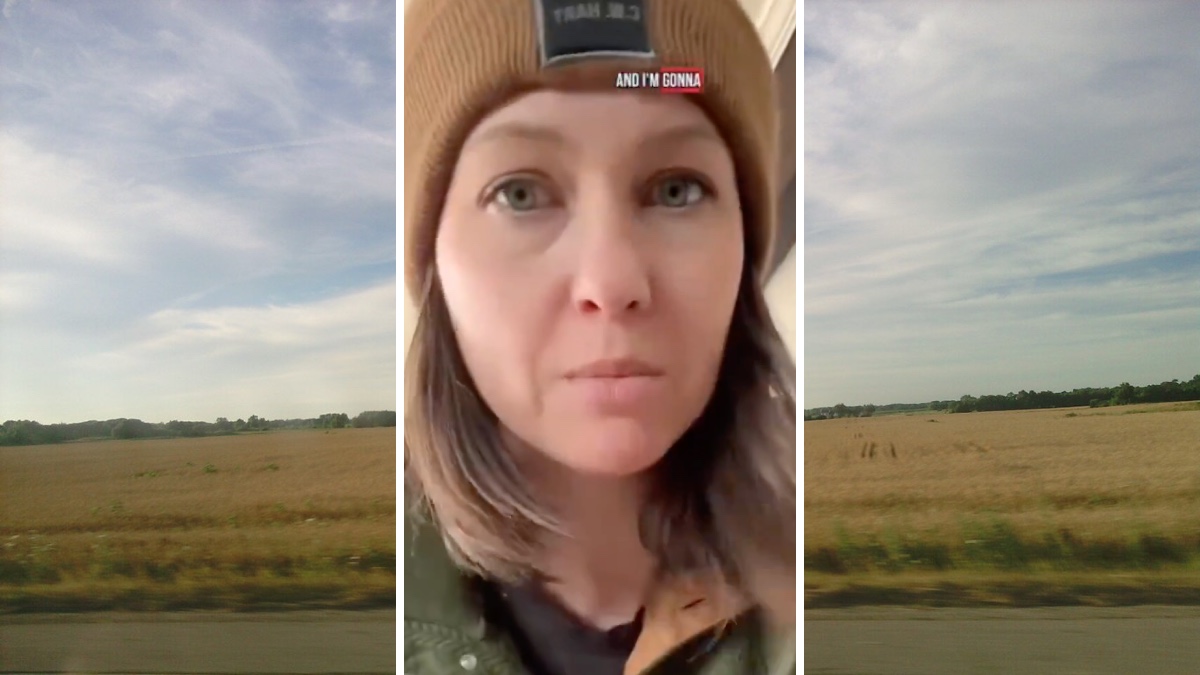
A Wisconsin woman has claimed she was told she could not build tiny homes on her 37-acre property. The claim comes from a TikTok posted by creator Ashley Johnson Miller (@ashleyjohnsonmiller2), which has since circulated widely after being reposted and discussed across social media, including on X.
In the video, Miller alleges she visited a municipal building to ask about placing a tiny home on her land and says she was immediately denied. She claimed that even owning 37 acres was not enough to override local land controls, and added that the response caught her off guard. Miller’s account has not been independently verified, and no response from the relevant municipal authority was available at the time of publication.
Tiny homes, big property problem allegations
In her post, Miller says she told a municipal employee she planned to build a small home on her property and was allegedly told it was not allowed. She claimed she questioned how a 37-acre parcel could be restricted to a single dwelling, but says she was told the land was zoned for one house only.
Miller said she was confused by the response, pointing to the size of her land as justification. She reportedly said there was “plenty of room” for a tiny home, but that officials would not budge on the single-dwelling restriction.
The video sparked another viral TikTok debate about government rules and individual property rights, drawing widespread reaction across platforms. Miller went on to describe a broader plan to build multiple small homes for her children as they reach adulthood, saying she ultimately wanted three units on the property.
She said she was allegedly told zoning rules limited the number of dwellings permitted on the land without approval or a rezoning process. Miller also referenced what she described as a “hundred-year floodplain” classification on part of her land, questioning how such designations affect private land-use decisions.
She added that officials reportedly told her rezoning would be required, though she said approval was described to her as unlikely. The video does not identify the specific location of the property in Wisconsin, and no additional documentation is provided in the post.
Large acreage does not automatically override local development limits. In many rural and agricultural areas, zoning ordinances enforce strict density standards regardless of total acreage, to prevent overdevelopment and protect local infrastructure capacity, according to standard municipal and state land-use frameworks.
Environmental constraints such as a 100-year floodplain designation are not based on the calendar year, but are statistical classifications managed through federal and state regulations. As the Federal Emergency Management Agency defines it, a 100-year floodplain describes a property with a 1% annual chance of being equaled or exceeded by a flood event in any given year, a measure that also shapes FEMA’s role in land-use decisions well beyond flood insurance alone.








Published: Jun 2, 2026 06:15 pm