



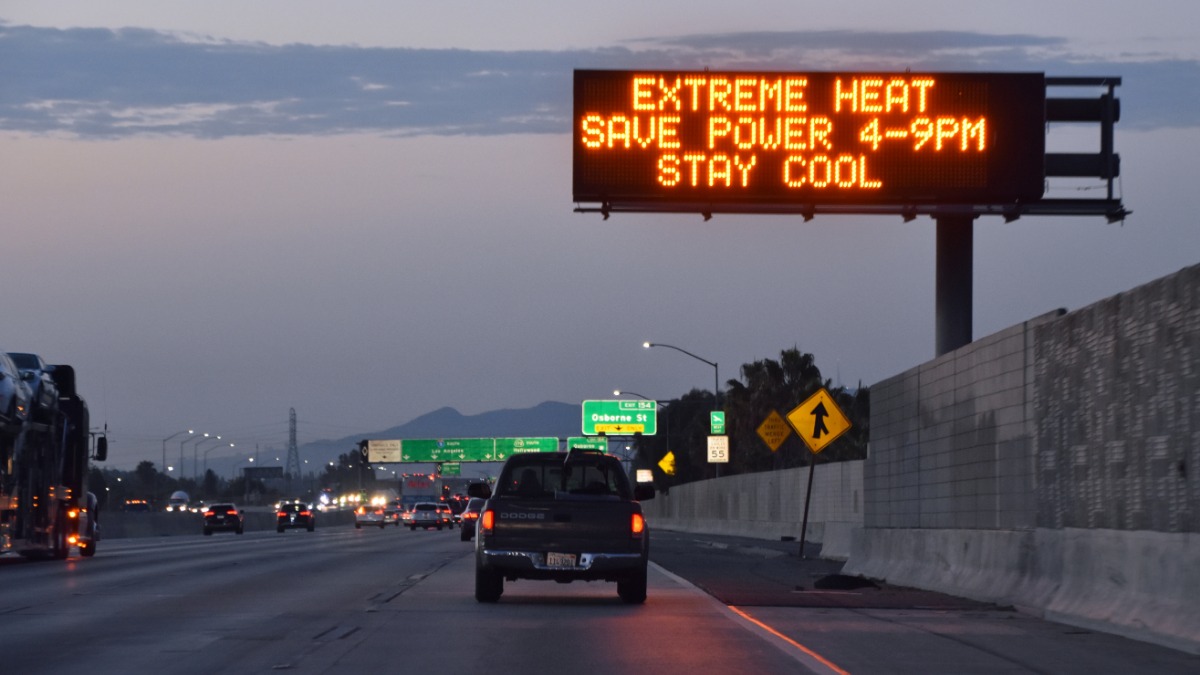

Reno, Nevada, is leading the country in a dramatic trend of rising summer temperatures, having recorded an average summer increase of 11.3 degrees Fahrenheit since 1970. The findings come from an analysis published by Climate Central, which examined temperature changes across 243 major U.S. cities. The data show that Reno stands out as a clear outlier, warming at nearly double the rate of the next highest cities on the list.
Following Reno in the rankings are Boise, Idaho, and El Paso, Texas, each recording a 6.3-degree increase. Las Vegas, Nevada, followed at 6.2 degrees, while Salt Lake City, Utah, rounded out the top five with a 6.0-degree rise. The analysis examined average temperatures across June, July, and August over a 55-year period and found that summer temperatures have risen in 97 percent of the cities studied.
As detailed by Newsweek, Vivek Shandas, a professor of geography at Portland State University, described what cities like Reno and Boise are experiencing as a “double exposure.” This occurs when regional climate warming combines with rapid urban development that traps heat locally, as the expansion of roads, large parking lots, and dense residential areas replaces natural landscapes that would otherwise provide cooling through shade and evaporation.
The western U.S. is warming faster than the rest of the country, and cities are making it worse
Shandas noted that the western United States has experienced some of the most rapid warming in North America over the past several decades, with interior continental cities particularly affected due to the absence of moderating ocean influence. He described a 6- to 11-degree increase in average summer temperatures as “extraordinarily large” from a public health perspective.
Such a shift essentially moves the entire range of summer conditions, turning once-rare extreme heat events into regular occurrences. Residents can expect more days where temperatures exceed 90 or 100 degrees, along with longer heatwaves and nights that do not cool down enough for the body to recover. Shandas added that a temperature change of that scale is equivalent to moving a city’s climate hundreds of miles south toward the equator.
When nighttime temperatures remain elevated, the body cannot cool off after a hot day, raising the risk of hospitalization and death. Since extreme heat is the leading cause of weather-related deaths in the United States, the threat is especially serious for vulnerable populations, including older adults, low-income households, and those living in manufactured homes that may lack proper ventilation or air conditioning. Researchers have separately been tracking a range of environmental risks to U.S. communities, including federal warnings about lahar threats near Mount Rainier in Washington state.
Climate Central found that human-caused climate change is the primary driver of summer warming in 221 of the 243 cities analyzed, accounting for roughly 91 percent of the locations. While major metro areas like New York City have also seen warming, the increase there has generally been less pronounced, at around 1.2 degrees over the same period. Across the 236 cities that showed a warming trend, the average increase was 2.6 degrees.
Rising temperatures are also placing strain on infrastructure, with higher electricity demand for cooling driving up energy bills and putting stress on power, rail, and water systems. The federal government has been shifting its energy policy in recent years, amid a $700 million wartime-powers coal investment and broader debates over how to meet growing demand. Neighborhoods with less tree canopy and more pavement tend to be the hottest, creating heat disparities that are difficult to reverse.
The analysis is based on data from the National Oceanic and Atmospheric Administration. Nearly every city studied now experiences more hotter-than-normal summer days than in the early 1970s, with an average of 22 additional days.









Published: Jun 6, 2026 05:30 am