



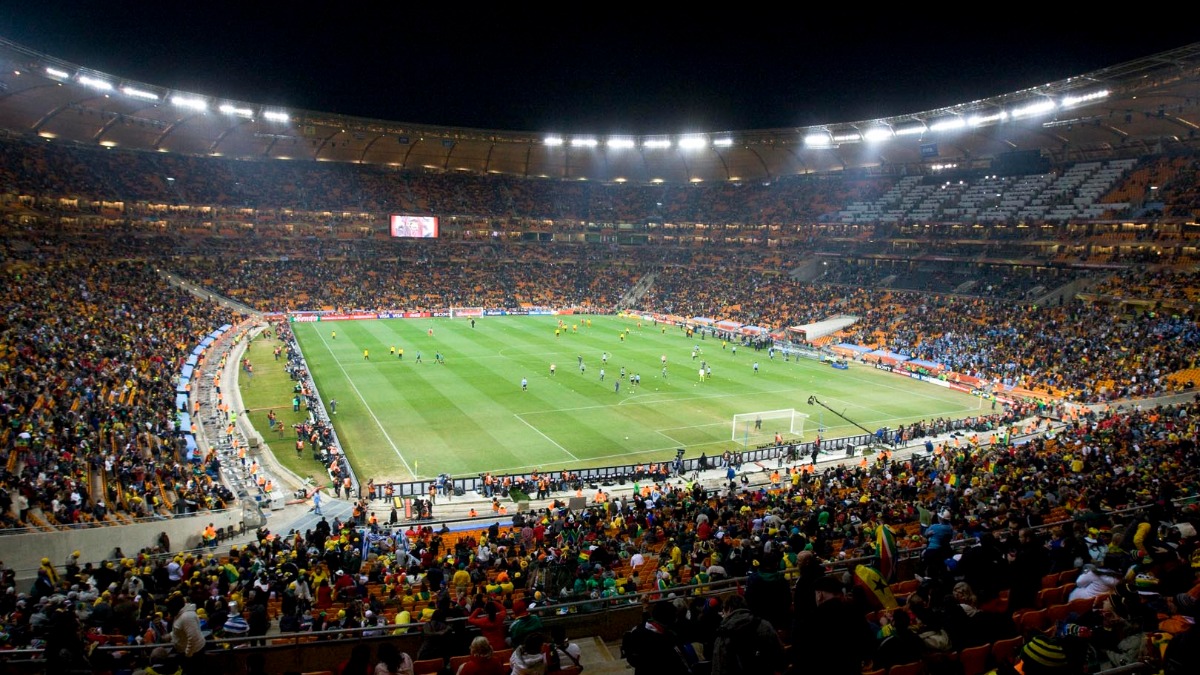

Haiti’s men’s national soccer team is heading to the World Cup with a completely different look than originally planned after FIFA forced them to scrap their jersey design less than a week before their first match. I believe it’s a frustrating turn of events for a team that has already overcome so much just to reach this stage. The original kit was intended to honor the country’s history, but FIFA ultimately decided the design was too political to be worn on the pitch.
This is a massive moment for Haitian soccer, as the team qualified for its first World Cup appearance since 1974. They secured their spot by finishing in first place in Group C of the CONCACAF qualifiers. The journey to get here was incredibly difficult, as the team had to play all of its home qualifying matches about 500 miles away in Curacao due to the ongoing conflicts in Port-au-Prince. Despite those obstacles, they made history, and the excitement surrounding their return to the world stage has been palpable.
According to BroBible, the team is currently using Stockton University in New Jersey as its base site for training camp. They are set to play three group stage games, starting on June 13 in Boston, followed by a match on June 19 in Philadelphia and a final group game on June 24 in Atlanta. Their opponents are Scotland, Brazil, and Morocco.
The Reason Behind FIFA’s Decision
The controversy centers on the original kit designed by SAETA, which was meant to pay tribute to the Haitian Revolution. The design honored the moment when enslaved and former slaves defeated Napoleon’s army to gain freedom from France. Haiti actually qualified for the 2026 World Cup on the 222nd anniversary of the decisive battle that ended that revolution, so the sentiment behind the jersey felt earned and significant.
SAETA released a statement regarding the situation, noting that they had the privilege of designing the apparel and worked in close collaboration with the Haitian Football Federation. They stated, “Following Haiti’s historic qualification for the FIFA World Cup, Saeta had the privilege of designing the apparel for the national team’s return to football’s biggest stage.”
The statement continued, “Working in close collaboration with the Haitian Football Federation, our objective throughout the process was to create a jersey that celebrated the pride, resilience and spirit of the Haitian people. Several concepts were developed and refined over a number of months and submitted through FIFA’s standard approval process.”
It further noted, “The final design presented by Saeta was intended as a tribute to the men and women who contribute every day to Haiti’s future and was not intended as a political statement. During the review process, FIFA determined that certain visual elements could be interpreted differently under its equipment regulations and ultimately requested modifications to the design. While this interpretation differed from our intention, Saeta respected the process and implemented the final requirements communicated by FIFA.”
Under Law 4 of the International Football Association Board, historical symbols can be prohibited if FIFA determines they are political in nature. It seems the reference to the revolution crossed that line in FIFA’s eyes. This forced alteration follows other rigid pre-tournament rulings, matching a separate disruption where a Somali referee was blocked from participating due to border decisions.






Published: Jun 11, 2026 02:30 pm