





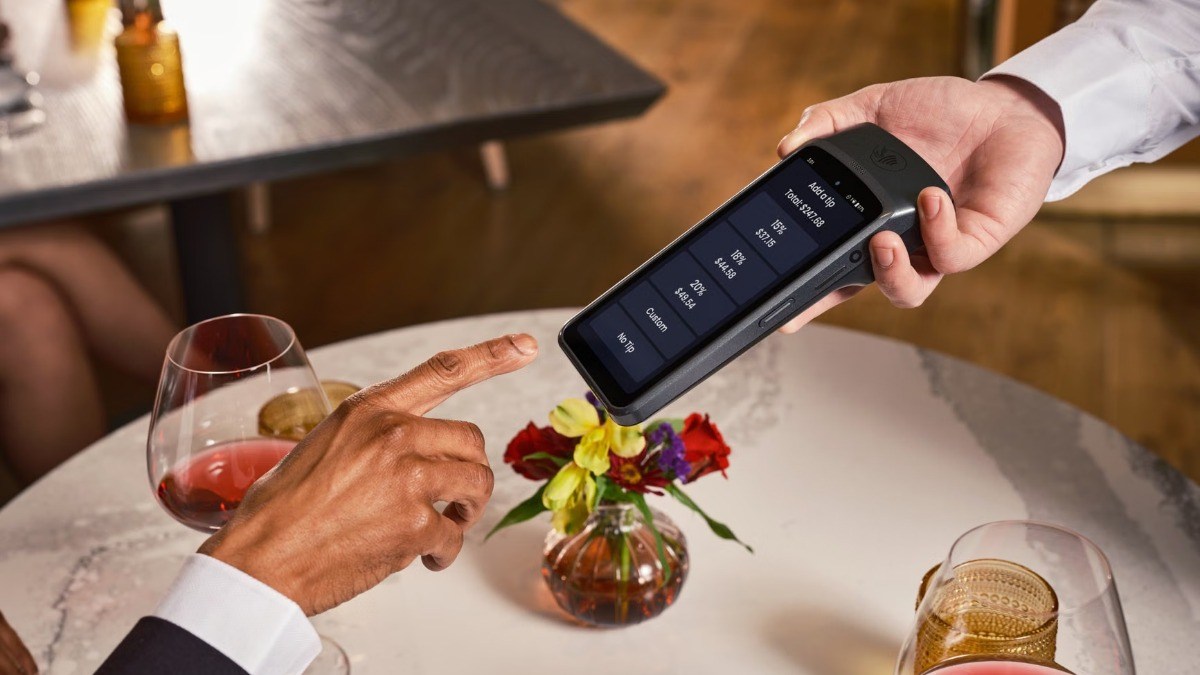
A diner in Tampa, Florida, discovered a 3 percent “venue fee” added to her bill at a restaurant called RO in Hyde Park, and the charge had not been disclosed anywhere on the menu or elsewhere in the establishment. As detailed by the New York Post, the woman said the fee only became apparent once she reviewed her receipt after the meal. When she questioned staff about the charge, she was told the restaurant was simply following the lead of other local businesses that have begun adding similar fees.
The incident comes as Florida prepares to enforce new pricing transparency rules under SB 606, a state law set to take effect that targets hidden restaurant charges. The bill mandates that any public food service establishment charging an operations fee, or including an automatic gratuity or service charge, must clearly post a notice on its food menu, written contract, and any website or app used for ordering. It also requires that bills and receipts list gratuity, operations charges, and sales tax as separate line items.
State Senator Thomas Leek, who sponsored the bill, said diners deserve “the ability to see what they are paying for” as fee structures grow more complex. The law is part of a broader trend of states moving to close loopholes that have let restaurants tack on unadvertised charges after a meal is already ordered.
Multiple states are cracking down on hidden restaurant fees
Florida is not the only state addressing the issue, and the shift comes amid growing scrutiny of surprise charges across other industries, including a case involving an eye-watering restaurant bill in Texas that drew attention online. California was among the first to act, passing its Honest Pricing Law in 2023, which bars businesses from advertising prices that exclude mandatory fees. The law states plainly that “the price a Californian sees should be the price they pay.”
Illinois is set to implement its own version of the rule starting January 1, 2027, when restaurants in the state will be required to display all mandatory fees and automatic gratuities before a check reaches the table. Illinois Attorney General Kwame Raoul said the change gives consumers “the ability to unambiguously compare prices” as costs continue to climb, and argued shoppers should not be blindsided by add-on charges after a purchase is already made.
New York City has similarly updated its rules on restaurant surcharges, and the situation echoes concerns raised in unrelated consumer disputes, including a Florida scam warning story that circulated after a woman’s social media post attracted unwanted attention. Restaurants in the city can still add an automatic gratuity, but the charge must go directly to the worker and be “conspicuously disclosed to the consumer” under the updated guidance.
Florida’s SB 606 is scheduled to take effect and will require restaurants statewide to disclose operations fees, automatic gratuities, and service charges before customers order, with separate line items for each charge appearing on every bill and receipt.





Published: Jul 1, 2026 08:15 am