



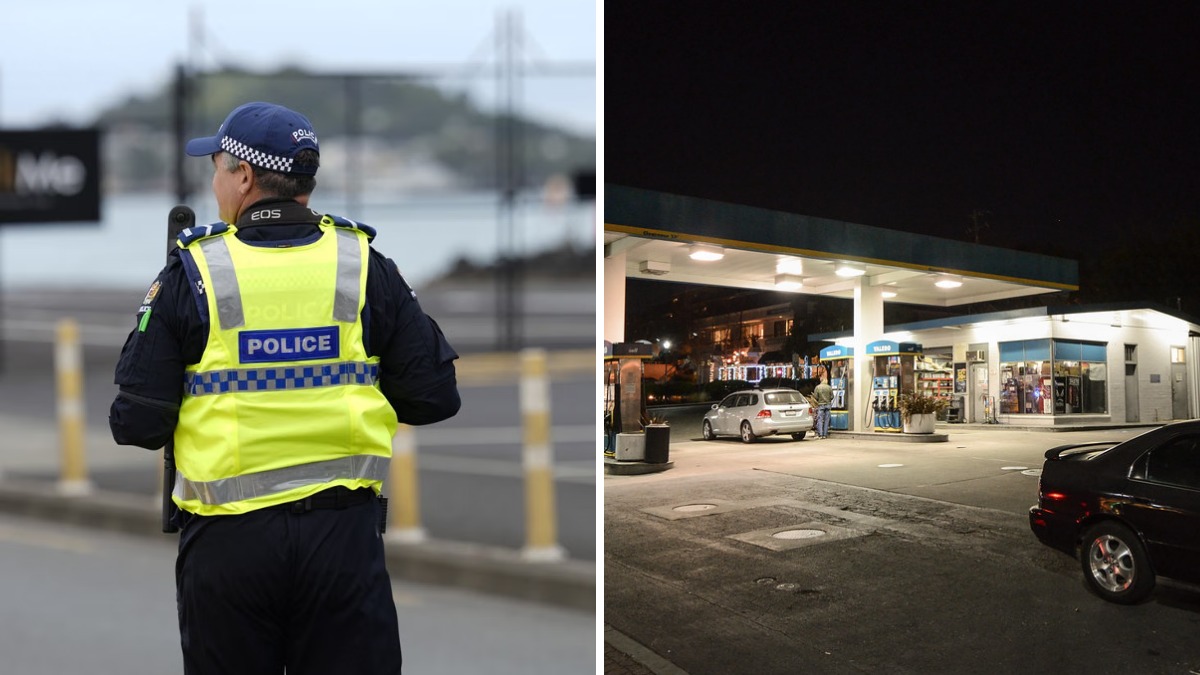

A Georgia resident recently found themselves in a situation that sounds like it was pulled straight from a low-budget thriller after an officer allegedly seized their phone during a home raid and then insisted on a private meeting behind a gas station to return it. As reported by The Nerd Stash, the user, who goes by the name Stephhhhht on Reddit, shared the bizarre details of this encounter, which has not been independently verified, on the r/legaladvice subreddit.
The officer and the police department have not publicly responded to the claims. The ordeal began when officers arrived at the home of the resident to conduct a raid. During the search, one of the officers allegedly took the user’s phone, despite the fact that the warrant for the search did not explicitly mention the device. The next day, that same officer reportedly reached out and asked the owner to meet behind a gas station to get the device back.
While the user did eventually go through with the meetup and successfully retrieved the phone, the entire experience left them feeling understandably unsettled. Steph described the event stating, “the whole interaction felt extremely strange and unprofessional.” A similar case of a home raid drawing scrutiny played out when Afroman turned his own raid footage into viral diss tracks mocking the officers involved, after the search turned up no charges and he accused deputies of stealing cash during the search.
What the law actually says about warrantless phone searches
When the meeting took place, the officer reportedly handed over the phone, offered an apology for the raid, and then proceeded to give a 20-minute lecture. The legal reality here is actually quite clear when you look at established precedents. In the 2014 case of Riley v. California, the Supreme Court ruled unanimously that a warrantless search of digital information on a cell phone seized during an arrest is generally unconstitutional.
Chief Justice Roberts, writing for the Court, famously noted that “The ultimate touchstone of the Fourth Amendment is reasonableness.” The Court made it very clear that the privacy interests in the contents of a modern smartphone are categorically different from any other physical object you might carry in your pocket. While officers might be allowed to seize a phone to secure it during an arrest, actually searching the contents requires a specific warrant supported by probable cause.
In this specific case, the user says they checked the warrant and found that “there is nothing about searching my cell phone.” The user mentioned that they spoke to their public defender about the incident, but they felt the attorney was more focused on pushing for a plea deal than addressing the potential misconduct regarding their property.
We still do not know exactly what was said during that long lecture behind the gas station, or why the officer felt the need to handle the return of the device in such a private and informal way.









Published: Aug 14, 2026 07:15 pm