


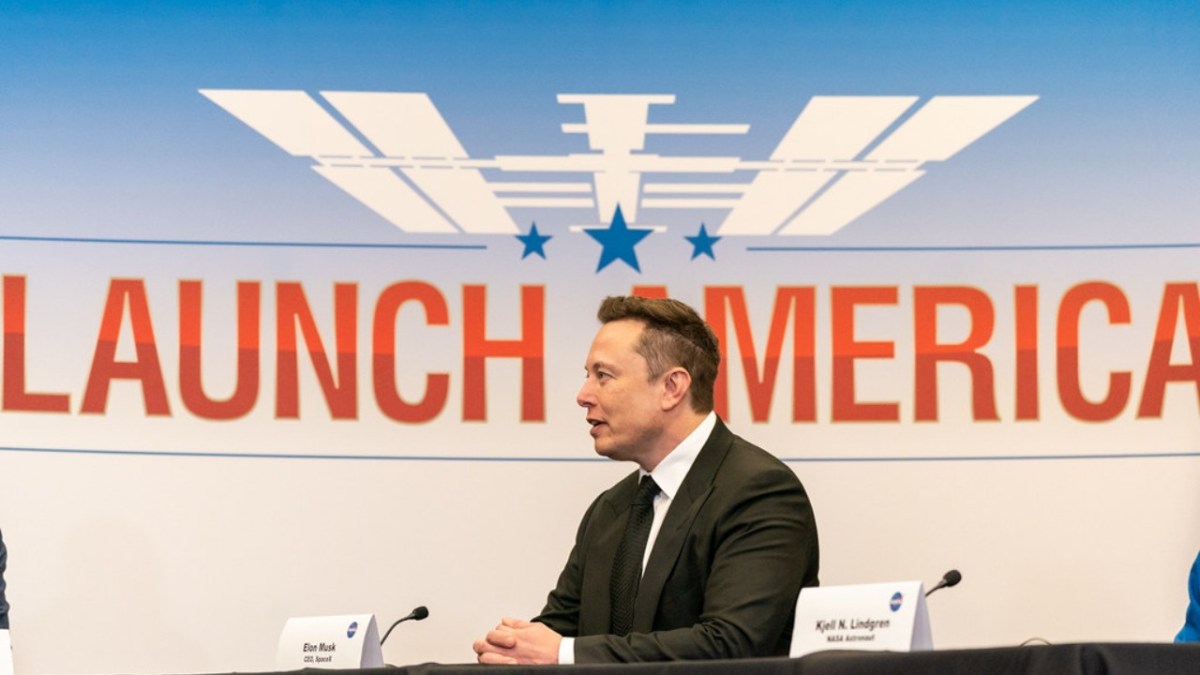

Elon Musk had opened up free Starlink access in January so people inside Iran could get around the government’s digital blackout. Months later, he learned the same service had reportedly been used in an attack that killed American troops, according to a Saturday report from The Washington Post.
The paper said the SpaceX and Tesla chief was enraged and fuming when the unauthorized use came to light in March. Iran apparently relied on Starlink terminals during a drone strike that hit a U.S. military facility at Port Shuaiba in Kuwait on March 1. Six troops died in the attack. Military officials declined to comment when The Washington Post asked about the incident.
The free January service was intended for dissidents trying to stay online despite Iran’s internet restrictions. The later discovery that the technology had reached the people behind the Kuwait strike created a direct conflict with that purpose, the report indicated.
New identity checks were added for Starlink buyers after the reported strike
In the weeks that followed the March 1 Port Shuaiba attack, Musk and SpaceX put additional restrictions on Starlink’s sales network to try to keep the terminals out of unwanted hands, The Washington Post reported. The company imposed new requirements on resellers to prove that they know the identities of each customer buying a terminal and activating its service.
The news about Iran especially infuriated Musk because he had already moved two months earlier to stop Russia from using Starlink terminals to power long-range drones. After Ukraine showed him videos of those drones, he restricted both Starlink and Starshield. He also fired two executives over the technology being misused, according to the paper.
Musk retains the ability to deactivate any terminal inside Iran. Tehran has also built Iran’s own kill switch for Starlink. Doing so would run against both his own desire and the Trump administration’s desire to keep the service available for dissidents who are circumventing Iran’s clamps on the internet, the report added.
Holly Dagres, a senior fellow at the Washington Institute think tank, told The Washington Post that internet and social media is the only way for Iranians to voice what’s happening inside the country.
“My understanding is that the Trump administration doesn’t want to cut that connectivity for that very reason,” Dagres continued. “That open-source intelligence from social media and messaging app channels is important to understanding what’s happening on the ground because there is no U.S. Embassy in Tehran, and journalists cannot freely report inside the country.”
The January decision to offer connectivity at no additional cost was a direct response to the government-imposed digital blackout. The new reseller rules focus on verifying customer identities before a terminal can be sold and activated. Those steps were introduced specifically in the period after the Port Shuaiba strike, according to the Washington Post.
The earlier Russian episode had already shown Musk how the terminals could be turned toward military purposes. Ukraine’s video evidence prompted the restrictions on Starlink and Starshield and the removal of the two executives.
The option to shut down terminals inside Iran is still available to him. Leaving the service running for people trying to bypass the government’s internet limits continues to align with both Musk’s preference and the position of the Trump administration, the paper said.





Published: Nov 29, 2026 05:45 am