



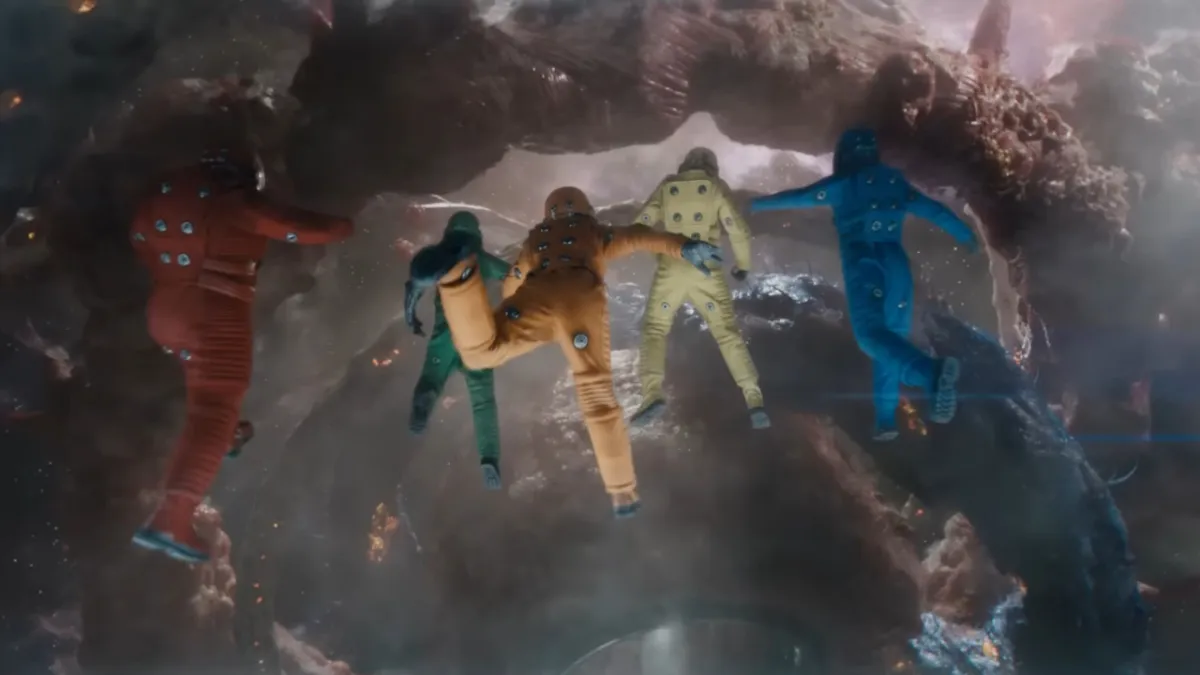

Marvel’s Guardians of the Galaxy is finally here, but which difficulty is the best one to choose for this spacefaring adventure? Unlike Marvel’s Avengers, Marvel’s Guardians of the Galaxy is a fully-fledged single-player game, so you can tailor the experience to your liking. There are standard difficulty levels like every other video game out there, but Eidos-Montreal allows for a surprising amount of personalization when it comes to challenge and difficulty. Here’s everything you need to know about difficulty settings in Marvel’s Guardians of the Galaxy.
Marvel’s Guardians of the Galaxy Difficulty Settings Explained
There are four difficulty settings in Marvel’s Guardians of the Galaxy, and each of them is listed below.
- Easy – You got this.
- Intended – You got this, probably.
- Hard – You don’t got this.
- Custom – I do it my way.
Easy, Intended, and Hard modes are fairly self-explanatory. On Easy, enemies will do less damage, Star-Lord’s health will regenerate faster, and the Guardians’ abilities will recharge more quickly. On Hard, enemies will hit harder, health regeneration will take longer to kick in, and you’ll have to wait longer to use other Guardian’s abilities. Intended is a balance between these two modes, serving as this game’s Normal mode.
If you want the standard experience, choose Intended. If you’re new to action games or think you’ll have trouble managing the team’s abilities, choose Easy. If you know you want a challenge, then go with Hard. There is a fourth option though: Custom.
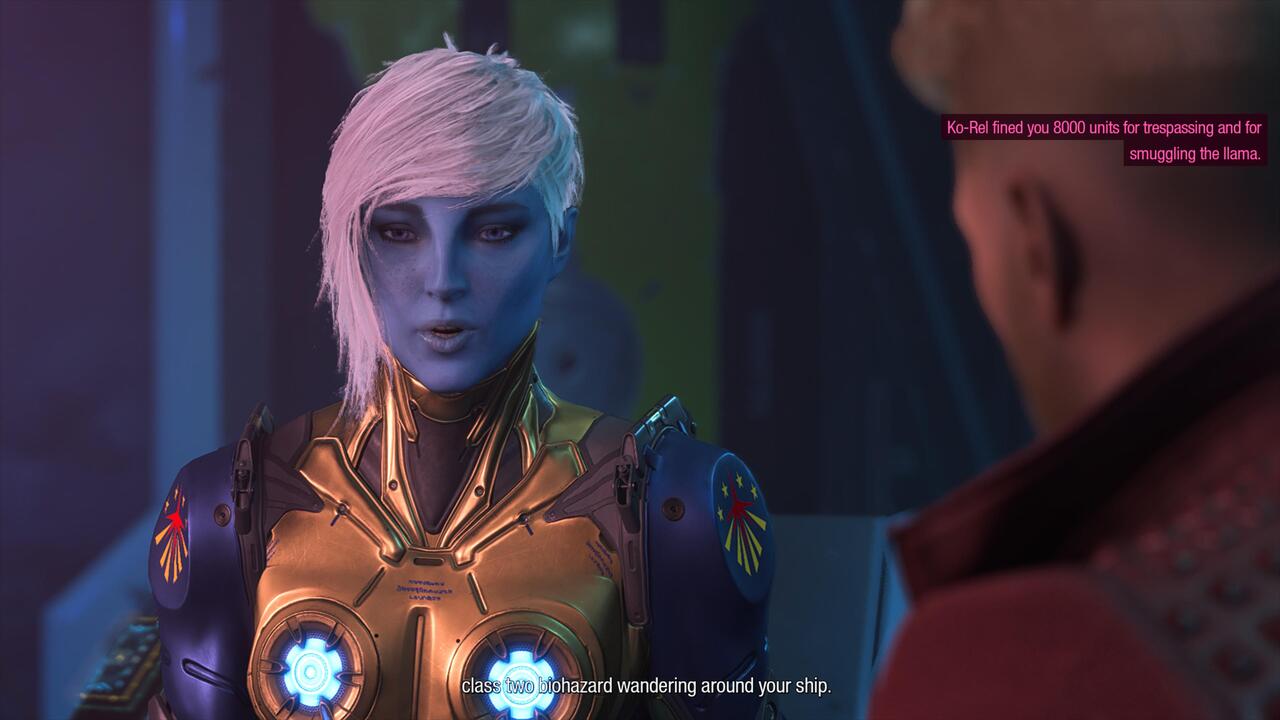
Custom allows you to completely tailor the experience to your liking. You can choose any of the other three difficulty levels as a starting point and then individually modify the other settings however you want. If you want to take more damage but don’t want to deal with longer cooldowns, you can make that happen. If you want to automatically win every Huddle sequence but still want combat to be challenging, you can do that. Custom is the best choice for those that want a mixture of the other difficulty levels.
You can’t go wrong with any difficulty settings in Marvel’s Guardians of the Galaxy. You can change the settings at any time in the pause menu without any consequences, so you can bump the difficulty up or down halfway through the game if you want. There also aren’t any difficulty-related trophies or rewards, so you don’t have to worry about any of that. Marvel’s Guardians of the Galaxy is a ton of fun, so make sure you choose the right difficulty setting so you can have a good time.
Marvel’s Guardians of the Galaxy is available now on PC, PS4, PS5, Xbox One, Xbox Series X|S, and Nintendo Switch.



Published: Oct 25, 2021 08:00 am