


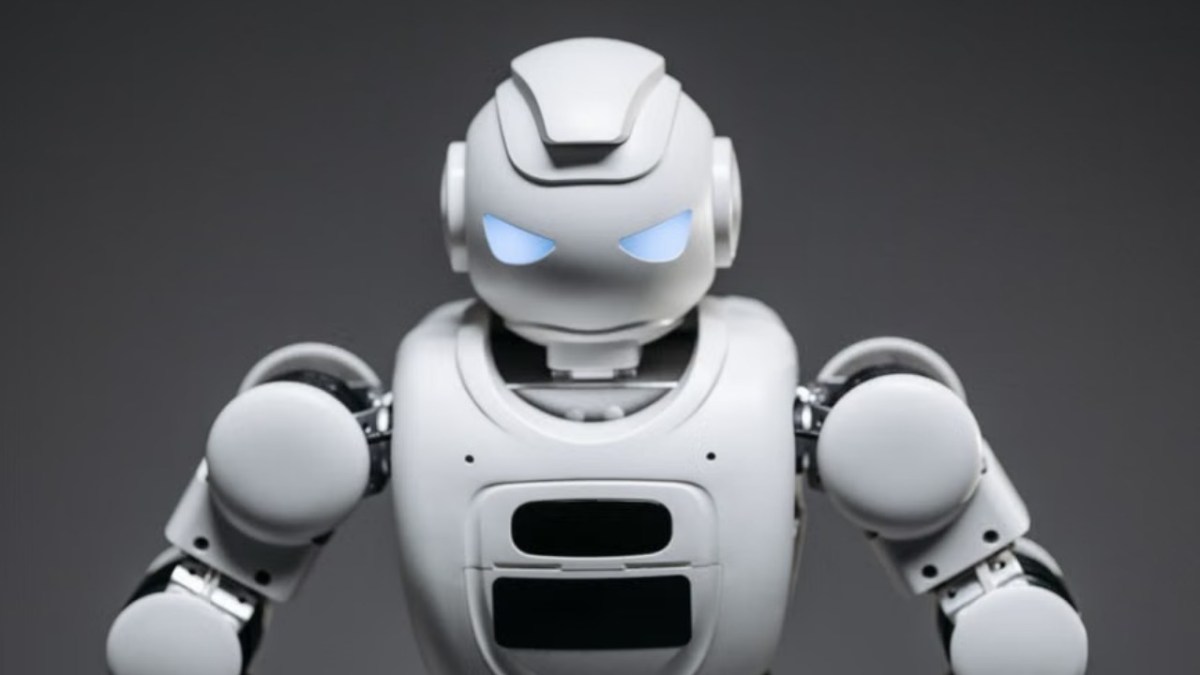

New class-action lawsuits filed in Cook County, Illinois, allege that food delivery robots from Coco Robotics and Serve Robotics secretly scan people’s faces and hands. The suits claim the robots collect biometric data and share it with artificial intelligence companies without anyone’s permission.
As detailed by BroBible, the lawsuits argue the companies violated Illinois’ Biometric Information Privacy Act. The law requires companies to give written notice before collecting biometric data, explain how it will be used, and get explicit permission first, with fines ranging from $1,000 to $5,000 per violation.
Both companies deny that their delivery robots collect any biometric information. A spokesperson for Coco Robotics called its lawsuit “frivolous,” while Serve Robotics says its cameras and sensors are used only for navigation.
One plaintiff says he never even asked for a robot delivery
Mitchell Breidinger, a Chicago resident, claims he ordered groceries through DoorDash in September 2025, and a Coco robot showed up even though he did not request a robot delivery. When he went to grab his groceries, he alleges the robot’s cameras recorded his face, head, and hands, while LiDAR sensors captured the shape of his body parts.
Breidinger also claims a remote operator was watching the entire delivery live and that the data was sent to OpenAI and other companies. “This lawsuit fundamentally misunderstands our technology, we have not collected biometric data in Chicago,” a Coco Robotics spokesperson said in a statement to Mashable.
Barry Schain filed a separate suit against Serve Robotics, claiming he received three Uber Eats deliveries by robot despite never requesting one. His lawsuit alleges that Serve collected video and sensor data and licensed it to third-party companies.
Serve told The Associated Press, “Serve does not use that data to identify individuals and our systems are not designed to identify individuals or create biometric profiles.” The lawsuits come as surveillance technology faces growing scrutiny across the country.
Flock Safety’s network of automated license plate readers has sparked debate this year, with the cameras even coming up at a San Diego council meeting. If the allegations against the delivery robot companies prove true, the cases may prompt further investigation into how businesses inform people who interact with their devices about their data practices.
Chicago residents have also complained about delivery robots blocking sidewalks and crashing into bus shelters. The city’s robot delivery pilot program is set to end in May 2027 unless officials decide to extend it, according to TechEDT.



Published: Oct 27, 2026 03:15 pm