



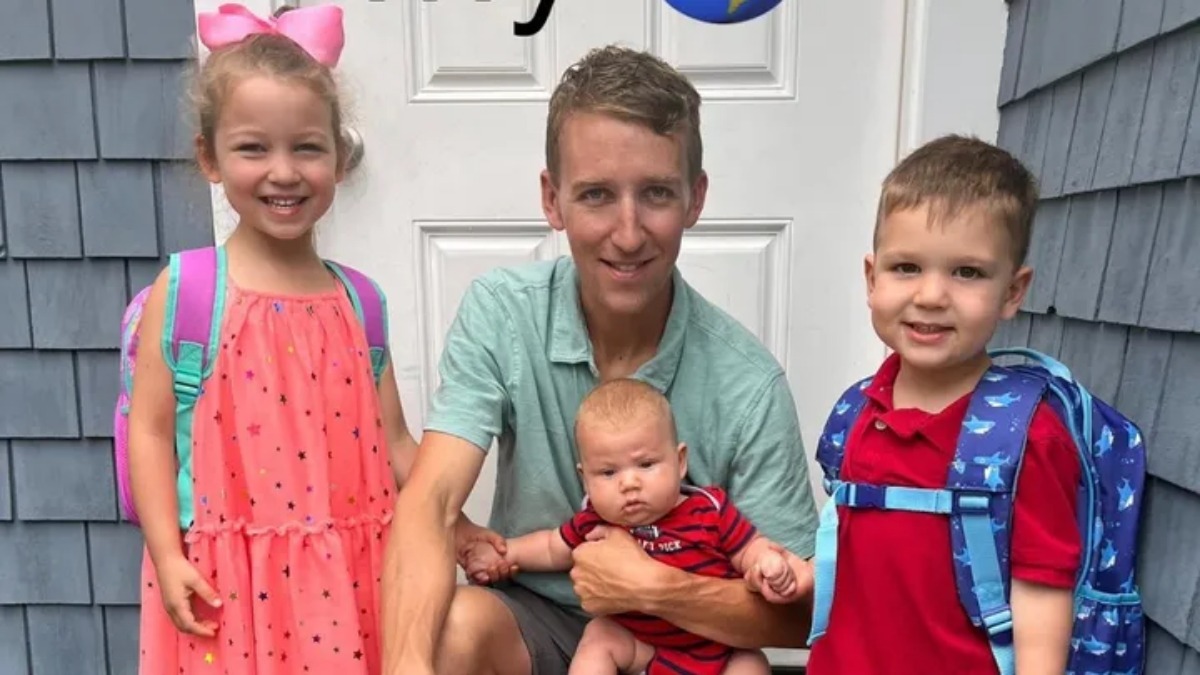

Judge William Sullivan declared a mistrial in the murder case against Lindsay Clancy on September 4, after the twelve-member jury spent more than 36 hours across seven days unable to reach a unanimous verdict. Clancy, 36, faced charges connected to the 2023 deaths of her three children, Cora, Dawson, and Callan, who were allegedly strangled at the family’s Massachusetts home.
As detailed by UniLad, Sullivan told the court earlier in the day that he had no choice but to take the step, and afterward gave Clancy’s attorney, Kevin Reddington, an hour to file an appeal. The Massachusetts Supreme Judicial Court denied that emergency filing, and Sullivan discharged the jury shortly after, calling the decision one he made “with a heavy heart.”
A mistrial does not clear Clancy of the charges against her. She remains in a psychiatric hospital while prosecutors weigh whether to pursue a retrial, offer a plea deal, or drop the case, and the proceedings now return to a pretrial posture as both sides reassess their positions.
The jury’s struggle became clear in the days before the mistrial
The jury first told Sullivan on September 1 that they could not reach a unanimous verdict, though deliberations continued after his instruction to keep working. By September 3, the panel remained deadlocked, and the court denied a request from Reddington to remove a specific juror he argued was not following instructions on reasonable doubt.
Notes from the jurors later showed they had split 11 to 1 in favor of acquittal. That outcome followed the defense’s opening statement, delivered weeks earlier, which argued that a postpartum psychiatric illness, not Clancy, bore responsibility for the deaths of her three children.
During the discharge, Sullivan thanked jurors for their service and acknowledged the emotional weight of the case. He also told them he understood how much effort they had put into their deliberations.
The trial had already produced unrelated moments of public attention in the months before the mistrial, including a rejected witness testimony from a TikTok creator that drew wide criticism online. Testimony throughout the proceedings covered Clancy’s mental health history in detail as both sides presented competing accounts of her state of mind at the time of the deaths.
Under Massachusetts law, a guilty verdict requires all twelve jurors to agree, and the prosecution bears the burden of proving each charge beyond a reasonable doubt. As explained by Brad Bailey Law, a hung jury is typically treated as a “manifest necessity” that allows prosecutors to retry the case rather than ending it outright.
Clancy was escorted from the courtroom following the mistrial announcement, and her family did not comment as proceedings concluded. Prosecutors have not yet said whether they will seek a retrial, offer a plea agreement, or drop the charges.




Published: Sep 5, 2026 06:15 am