


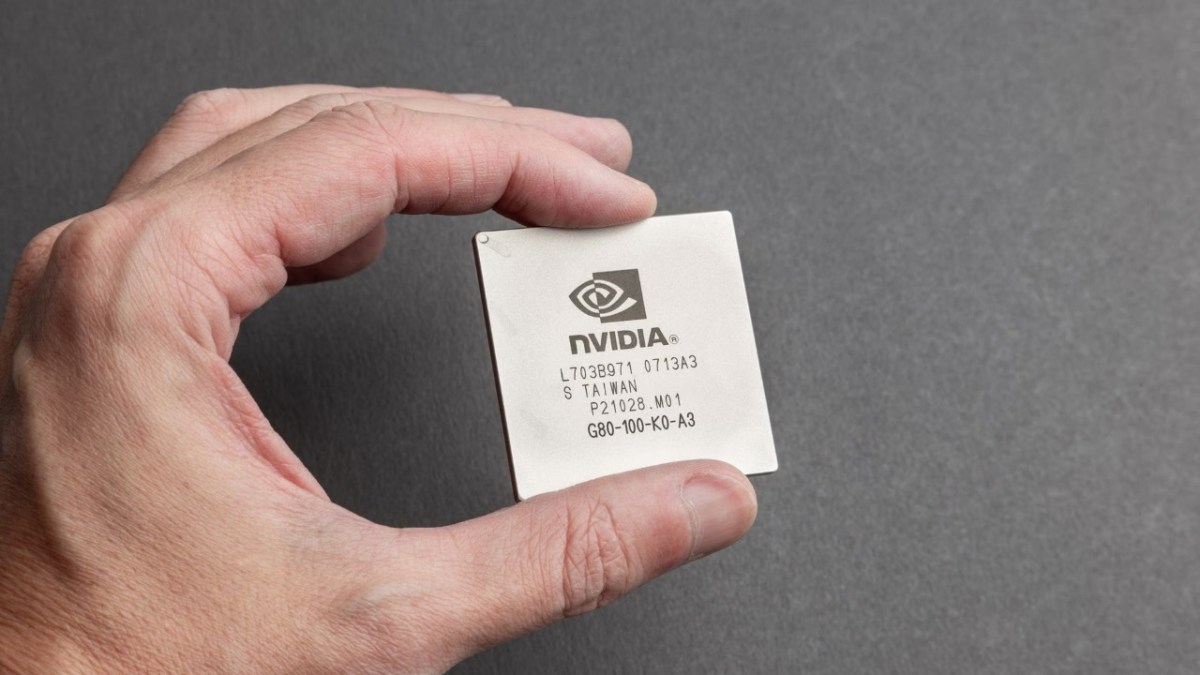

Confidential documents released on Thursday show the Commerce Department approved the sale of over 800,000 advanced artificial intelligence chips to Chinese companies as of May 11. This data, released by the House Foreign Affairs Committee, highlights a significant volume of sales to firms on a Pentagon list of Chinese firms with military ties. According to The New York Times, the department received requests to move more than 3.4 million chips to Chinese entities as of the date.
The list of approved recipients reportedly includes major players like Alibaba, Tencent, Baidu, and the carmaker BYD. The approved hardware includes Nvidia H200 chips and the AMD MI325X. The outlet noted that Nvidia applied to sell 40,000 H200 chips to New Century Lettall Data Service, which has ties to Alice Huang, a suspected Chinese asset. Her connection to Nvidia’s Jensen Huang led to his ousting from the company.
Lawmakers from the committee are raising alarms about the recipients of these licenses, specifically pointing to companies like Maginfra, Beijing New Matrix Information Technologies, and Aivres Systems. According to the NYT, Representative Brian Mast, a Florida Republican who chairs the committee, called Maginfra and New Matrix “fake companies,” and said that if the Commerce Department granted approvals to these firms, “obviously that is of tremendous concern to us,” he said.
Reporters visited the offices when concerns were first raised
After The New York Times first report about these companies, reporters visited the Chinese offices of Maginfra and New Matrix and found them empty. They noted that no one had heard of the firms, and there was little information about them online, raising questions about whether these entities even exist.
Additionally, The Washington Post reported that the Commerce Department authorized the sale of nearly 580,000 Nvidia chips specifically under a policy where the administration permitted these exports in exchange for a portion of the revenue. This arrangement, finalized by President Trump in December, required the chips to pass through the United States for security checks and a 25 percent tariff.
In response to the scrutiny, Nvidia spokesman John Rizzo told the NYT that the review process for the H200 chips lasted over six months and included strict conditions. “Despite receiving some licenses, we have since stopped shipping H200s to China,” he said. The company noted in its earnings report this week that it is halting Chinese H200 sales, though it did not specify why. A spokeswoman for AMD stated that the company follows all applicable laws and maintains a rigorous process to stay compliant.
The Commerce Department has also defended its actions, stating it follows national security regulations. They reportedly noted that every Nvidia and AMD allocation stated that the proposed transfer posed little risk of diversion. Despite that, committee members remain critical of the department, arguing that withholding this information was “contrary to the national interest.”
Representative Gregory W. Meeks, a Democrat from New York, stated that the public deserves to know how these decisions are reached. “Over the past month, the administration’s handling of chip export controls has put our national security and technology edge at risk,” he told the NYT. The committee intends to hold hearings next month with Commerce Secretary Howard Lutnick and his deputy, Jeff Kessler, to further examine the approval process.
As a part of the oversight investigation, the committee plans to hold hearings with Commerce Secretary Howard Lutnick and his deputy, Jeff Kessler next month.









Published: Nov 22, 2026 05:30 am