




Two brothers at Tri County Middle School in Michigan got in trouble back in 2022 when they wore shirts with the phrase “Let’s go Brandon” to class. The school told them to take the shirts off, which led to a lawsuit saying their First Amendment rights were broken. The case recently went to the 6th U.S. Circuit Court of Appeals, where the court agreed with the school in a 2-1 decision on Tuesday.
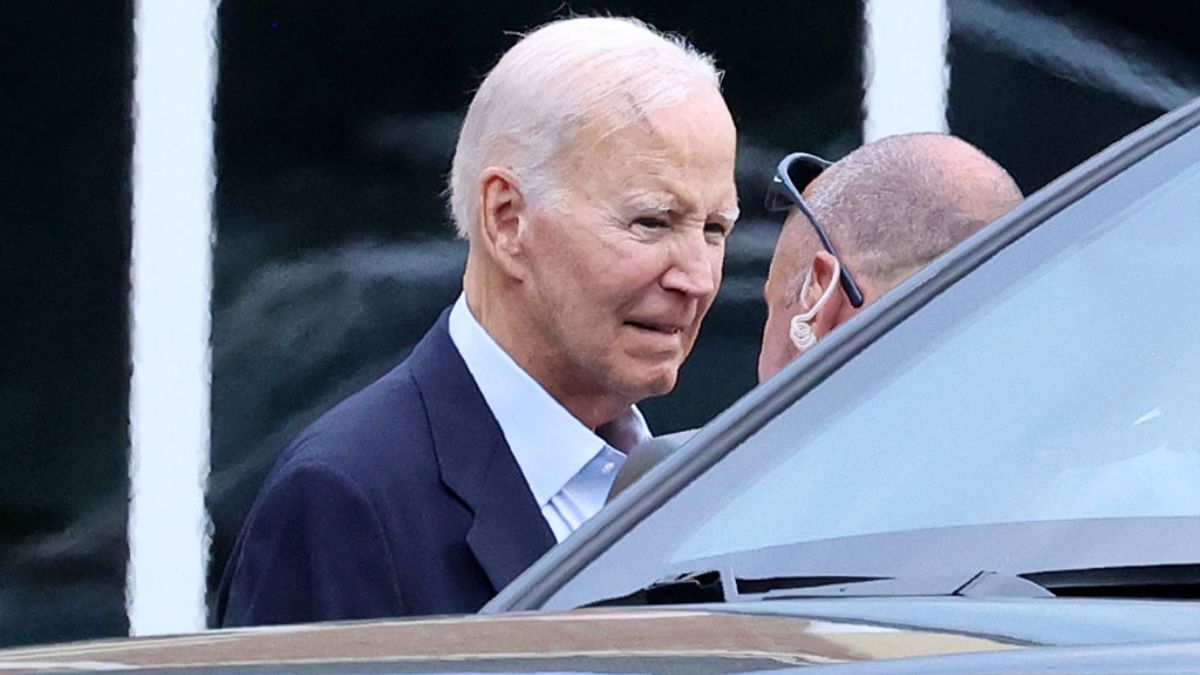
As per The Hill, the phrase “Let’s go Brandon” became popular after a NASCAR event where crowds were yelling bad words at former President Biden. A reporter covering the event went viral after wrongly saying the crowd was chanting “Let’s go Brandon” instead. People who opposed Biden quickly turned the phrase into a popular meme.
The students probably thought the case would be about political speech, but it’s not for the reason you think. The court said the school was right to punish the students, not because of the political message, but because of the bad language hidden in the phrase. Judges John Nalbandian and Karen Nelson Moore wrote that “in the schoolhouse, vulgarity trumps politics. And the protection for political speech doesn’t give a student carte blanche to use vulgarity at school.”
The Court Saw This As A Vulgarity Issue, Not A Political One
Not everyone on the court agreed with this choice. Judge John Bush wrote a different opinion saying the hidden phrase should get special protection and was different from using direct bad language. He thought the students were taking part in bigger civic talks, which should be okay in schools.
Bush wrote that “by displaying the message on these shirts publicly, the students participated in broader civic discourse, a notion the Supreme Court has never rendered inappropriate for the school environment.” His view says that political speech, even when hidden in code, should get stronger protection in schools. This case joins other recent talks about student rights and school rules.
The school has said that it lets other political messages be worn in class, showing their choice was really about the vulgar nature of this phrase rather than its political meaning. The ruling backs up choices from lower courts that also agreed with the school.
This makes me wonder how schools should deal with political messages that use hidden meanings or phrases that mean two different things. Politics are becoming more popular through social media and online, so obviously schools have a harder time figuring out what goes too far from okay political talk to wrong content. However, it may not be as simple as giving schools more power to step in when they think a message, no matter how it’s said, goes against their rules.

Published: Oct 15, 2025 11:30 am