



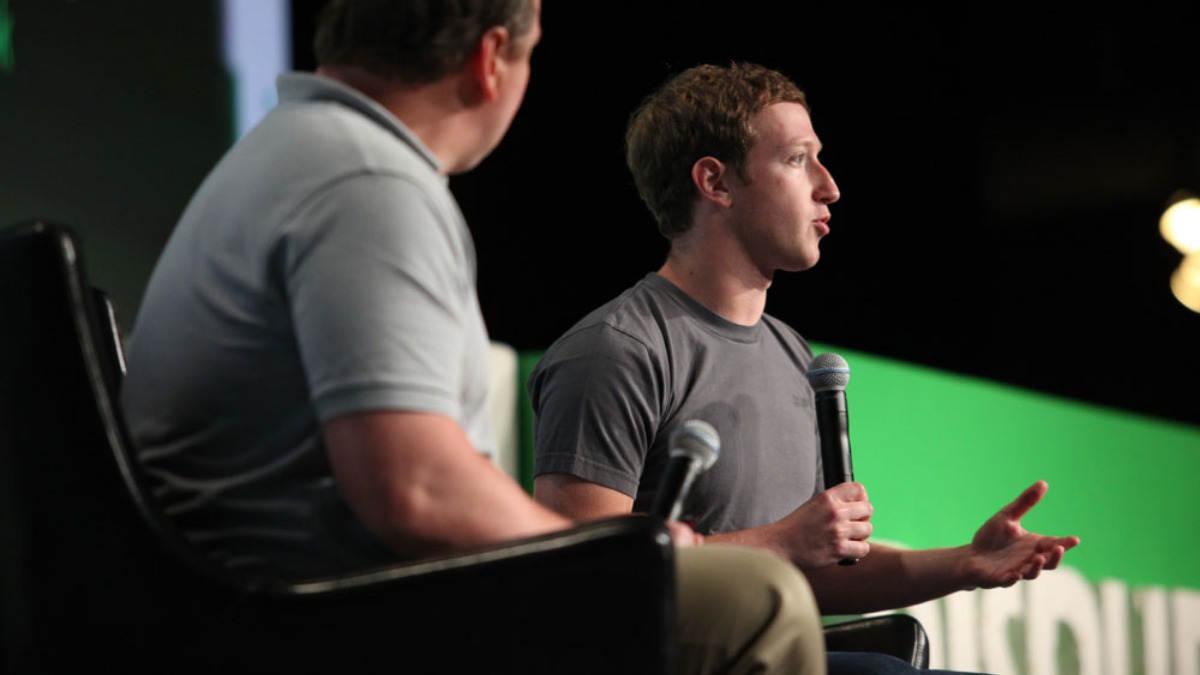

Mark Zuckerberg is building an AI clone of himself to answer questions from Meta’s nearly 79,000 employees, and the reasoning behind it is weirder than you’d expect. The project is supposedly about making workers feel more connected to one of Silicon Valley’s most powerful figures, even if the real Zuckerberg isn’t actually there.
The AI version of Zuckerberg is being trained on his mannerisms, tone, and public statements, essentially creating a digital stand-in that can field employee queries, The Guardian reported. It’s the latest in a long line of experiments where Zuckerberg has tried to digitize himself.
Back in 2022, he shared an avatar of himself inside the metaverse, which was widely mocked for its clunky graphics. After an upgrade, the concept still didn’t take off, and Meta has since scaled back its metaverse ambitions. Now, the company is focusing on AI-generated 3D characters that can hold real conversations, with Zuckerberg himself reportedly involved in training his own AI clone.
Until this AI clone is ready, Zuckerberg still has to show up in person for meetings
The idea isn’t entirely new. Synthesia, a UK-based startup valued at $4 billion, specializes in creating realistic video avatars. A spokesperson for the company said that when information is delivered by a familiar face or voice, engagement and retention improve significantly. That’s the logic Meta is betting on: if employees hear from a digital Zuckerberg, they might feel more connected to the company’s leadership, even if the real one is busy chasing “superintelligence.”
Until this AI clone is ready, Zuckerberg still has to show up in person for meetings, like the one he held in 2023 after announcing 10,000 layoffs. Employees grilled him about job security and remote work, leaving him to face some uncomfortable questions. But Meta is already working on ways to make those interactions smoother. The company is developing a “CEO agent,” an AI system designed to help Zuckerberg prepare for internal meetings by pulling up company data faster.
Zuckerberg has been vocal about his vision for AI-driven efficiency. In January, he said Meta was “elevating individual contributors and flattening teams” to “get more done.” The company, which also owns WhatsApp, is betting big on AI to stay competitive with rivals like Google and OpenAI. Zuckerberg is overseeing a multibillion-dollar investment in AI, aiming for “superintelligence”—a system that can outperform humans in any cognitive task.
Last week, Meta unveiled Muse Spark, its latest AI model, which can do things like estimate calories from a photo or plan a family vacation by drafting itineraries and finding kid-friendly activities. The model has been praised for its language and visual understanding but still lags in coding and abstract reasoning. It’s the first major release from Meta’s “superintelligence” team, which was assembled last year in a $14.3 billion deal to hire top AI talent.
Muse Spark is currently only available on Meta’s AI app and website, but it will soon replace the existing AI models powering chatbots on WhatsApp, Instagram, Facebook, and Meta’s smart glasses. The company didn’t disclose the model’s size, a key metric for comparing AI systems, and instead offered only a “private preview” to unnamed partners. Independent evaluations show it’s catching up to rivals in some areas but still has room for improvement.
Zuckerberg had already tempered expectations, telling investors in January that the first models from the superintelligence team “will be good but, more importantly, will show the rapid trajectory that we’re on.” Alex Wang, who leads the team, acknowledged in a social media post that the model has “rough edges” but said bigger versions are in development.
Meta is also testing ways to monetize its AI, like embedding shopping features in its chatbot to direct users to products they can buy. The company is betting that AI-powered personal assistants will boost engagement across its platforms, which already have over 3.5 billion users. If it works, it could give Meta an edge over competitors with smaller audiences.
But on the other side, Meta is also facing legal and regulatory challenges. Last month, a jury in New Mexico ordered Meta to pay $375 million in civil penalties for misleading consumers about platform safety and enabling harms like child sexual exploitation. Around the same time, a California court ruled that Meta deliberately made Instagram addictive, contributing to harm suffered by a young user. The rulings come as governments worldwide consider stricter regulations on social media, including potential bans for under-16s and limits on addictive scrolling features.





Published: Apr 14, 2026 06:30 pm