


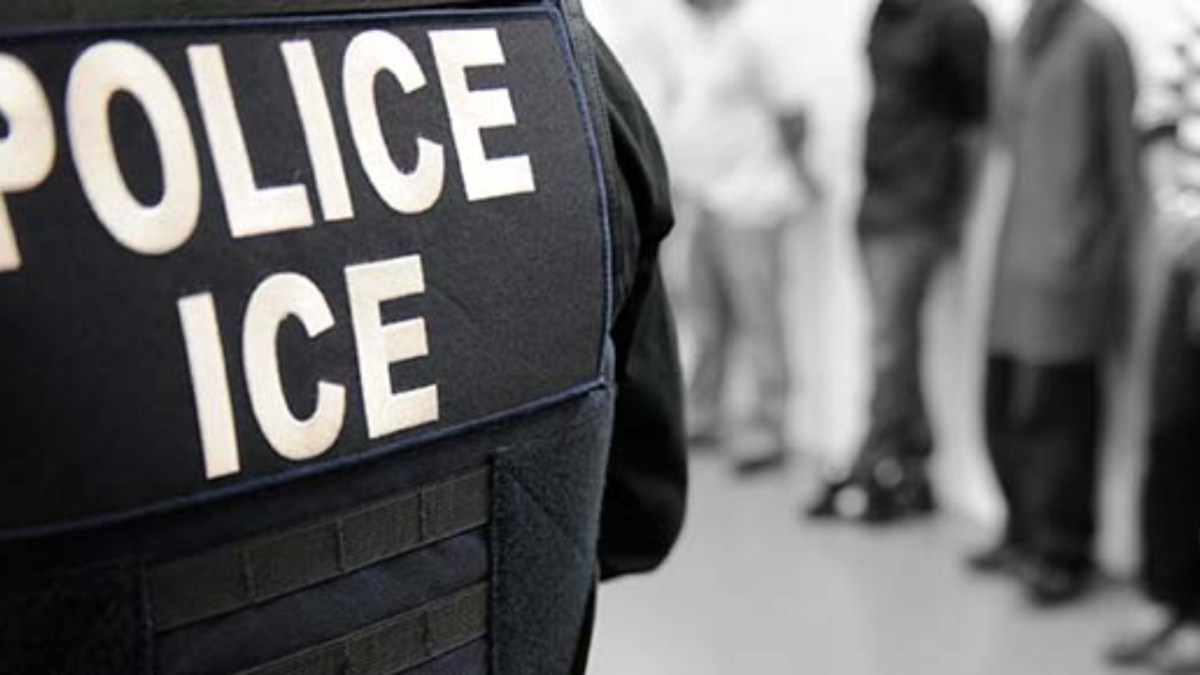

Moussa Diawara finished an overnight Uber shift outside Houston on July 11 and found ICE agents waiting at the suburban home he shared with his wife and two U.S. citizen children. The 57-year-old, who left Mali on a tourist visa at age 32 and later received a work permit after a judge blocked his return there, spent three weeks in detention without speaking to his lawyer or appearing before a judge.
On July 31, he was put on a plane to Ghana, a country he had never visited. A 2012 immigration court decision had given him withholding of removal, meaning the government could not send him back to Mali because of the risk he would face persecution after converting to Christianity in a country dealing with an Islamist insurgency.
He has no criminal record. Once in Ghana, he said local officials moved him onward to Mali within days. “I still say to myself, ‘This isn’t real,’” Diawara told CBS News’s 60 Minutes.
Flight documents listed Mali while officials maintain the stop was only Ghana
He described being held in a hotel by armed guards who would not let him call anyone. “I cannot call my wife, I can’t contact my lawyer. I can’t talk to no one,” he said. “I tell them, ‘This is kidnapping. You guys kidnapped us.’” After Ghanaian officials left him in Mali without money or identification, he spent weeks hiding before local truckers helped him reach another country, which he asked not to be named for safety reasons.
Diawara said a medical form handed to him on the flight to Ghana listed the destination as “SHRC Mali,” short for Special High Risk Charter, and that both of his Department of Homeland Security bag tags also showed Mali.
“So they know 100% I’m going to Mali,” he said. DHS top lawyer James Percival replied, “Well, he wasn’t flown to Mali. He was flown to Ghana, but I can’t speak to why that piece of paper says that.” A later DHS statement called the bag tags the product of contractors “not part of the process that determines…the destination” and labeled the medication form a “clerical error.” Ghana declined to comment.
The agency said Ghana had given “diplomatic assurances” for his safety and questioned the credibility of his original claim that he would be persecuted in Mali. Under the current administration, ICE has deported 25,000 people to dozens of third countries that receive millions of dollars in aid or other benefits, a practice previous administrations used far less often for people who already held withholding of removal.
His flight carried 63 people, left Texas on July 30, and stopped in Sierra Leone and the Central African Republic before reaching Ghana. Of the 19 people 60 Minutes reached who had been sent to Ghana, 17 said they were later moved against their will to countries that U.S. judges had ruled they should not be returned to, including Niger, Mali, Nigeria, Gambia, and Guinea.
Immigration attorney Meredyth Yoon said the government had been warned about Ghana’s handling of such cases in a lawsuit the year before, yet still sent 10 more flights there. She called it a violation of international law. Similar removal problems have surfaced elsewhere, including a man deported to South America who later learned he was never supposed to leave the country.
Senate Foreign Relations Committee Democrats, in a report requested by ranking member Jeanne Shaheen, described the third-country arrangements as costly and potentially damaging to U.S. diplomatic relationships. In a February press release, Shaheen said the deals put “millions of taxpayer dollars into the hands of foreign governments, while turning a blind eye to the human costs.”
Percival said he was not aware of any cases in which Ghana sent people onward against their will. He suggested two possibilities: that some chose to go home and later were not fully truthful about consenting, or that the foreign government applied its own procedures and decided the return was acceptable under international law.
Percival also noted that countries such as Eswatini and South Sudan have accepted people convicted of first-degree murder, sexual assault, kidnapping, and armed robbery when their home countries refused them.
He said he did not know what percentage of those deported were violent offenders. On Diawara’s flight, a 60 Minutes review found 19 percent had been charged with or convicted of crimes including theft, assault, or drug or weapons possession, 19 percent had only a traffic violation, and 62 percent had no criminal record.
Percival said the administration is following laws passed by Congress and added, “And people should be very happy with President Trump for getting these serious criminals out of the country.”
A federal appeals court last month upheld a lower-court ruling that the third-country policy was unlawful because it denied deportees due process, though the Supreme Court has allowed the removals to continue until it hears the case in December.
Diawara’s lawyer, Reuben S. Kerben, has asked a federal judge in Washington, D.C., to order his return. In Texas, his wife Barbara, a registered nurse, is caring for 16-year-old Corey and 12-year-old Chloe. “It feels really empty without him,” Corey said. Barbara told 60 Minutes, “I’m trying, you know, not to cry in front of them, to be strong for them, because they need me.”








Published: Oct 26, 2026 06:30 am