


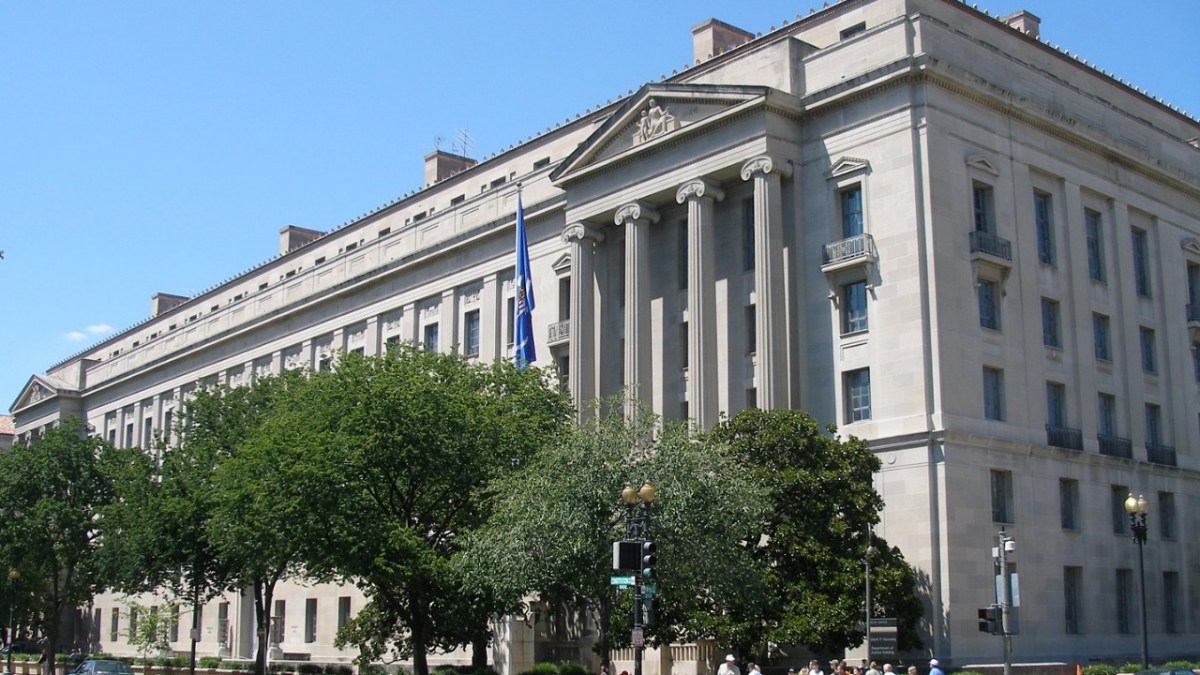

This week, the Department of Justice admitted that it misrepresented the position of House General Counsel Matthew Berry, in multiple filings used to justify the October 12 raid of Rep. Ilhan Omar’s Washington residence. According to POLITICO, in newly unsealed court records about the warrant at Omar’s residence, prosecutors initially told Magistrate Judge Matthew Sharbaugh that the House’s top lawyer “refused to be involved” in the search.
They reportedly claimed that Berry endorsed the Trump administration’s view that the Constitution’s “speech or debate” clause, which shields lawmakers from prosecutorial scrutiny regarding their official conduct, “do not extend to a member’s private home.” Berry, an appointee of House GOP leadership who has held his post since 2023, rejected that characterization entirely.
In a statement shared with The Hill’s partner, NewsNation, Berry called the DOJ’s assertion “categorically false.” He explained that, through email, he told DOJ second-in-command Trent McCotter, on October 11, “that the House Office of General Counsel does not represent targets of criminal investigations in criminal matters.” He further noted, “I therefore explained that during the search, the target’s personal attorney should advise him or her on whether to assert privilege over materials.”
Berry has a much narrower conversation with the DOJ than what was presented
POLITICO reported that the records confirm the email exchange, in which Berry also stated that House Lawyers did not have the power to advocate for lawmakers who are the subject of criminal probes, as their interests could diverge from the House. He told McCotter that the office could only step in if prosecutors searched the offices of a lawmaker. McCotter reportedly responded, “Understood — Thanks for your time and consideration.”
With the unsealing, prosecutors now concede that Berry’s version of events is correct. In a filing submitted to Sharbaugh, officials Peter Pfaffenroth and Alessandra Serano wrote, “The United States apologizes for this inadvertent misunderstanding.” The officials also acknowledged that Berry was never told that Omar was the subject of the impending search.
This mischaracterization comes while the DOJ is already facing skepticism from federal judges. Additionally, per POLITICO, the court system continues to grapple with the scope of the “speech or debate” clause. While federal courts have previously extended protection to members’ personal cell phones, that precedent has not been explicitly applied to lawmakers’ homes.
The outlet noted that Berry himself intervened for the House to encourage robust protections. Additionally, a 2007 ruling found that a search of a lawmaker’s congressional office would reveal materials immune from scrutiny by the DOJ. In Omar’s case, prosecutors argued that searching a residence wouldn’t necessarily uncover legislative files, as those are typically kept in congressional offices or stored digitally.
POLITICO reported that Sharbaugh pushed back on that logic at the time, noting, “The Court acknowledges that electronic work on laptops and tablets is increasingly more commonplace these days than hardcopy work. But that does not mean paper and analog documents have disappeared.”
To address these concerns, the outlet noted that Sharbaugh imposed special restrictions on the search, including allowing Omar an opportunity to assert “speech or debate” protection before any materials are disclosed to executive agents. He also required the DOJ to seek a secondary warrant before accessing files on any seized devices, including her phone.
The records also reportedly show that Sharbaugh initially considered publicly revealing his decision about the search warrant and drafted an explanation of his thought process. However, POLITICO reported that the DOJ argued it would be “fundamentally unfair” for him to opine on the prosecutor’s conduct, especially since the case hadn’t resulted in criminal charges yet.
Per the outlet, the records were unsealed by Chief Judge James Boasberg on the grounds that many of the facts of the case were already public and confirmed by the Trump administration. However, he did allow the allegations being pursued by the DOJ to remain sealed.





Published: Nov 25, 2026 07:00 pm