


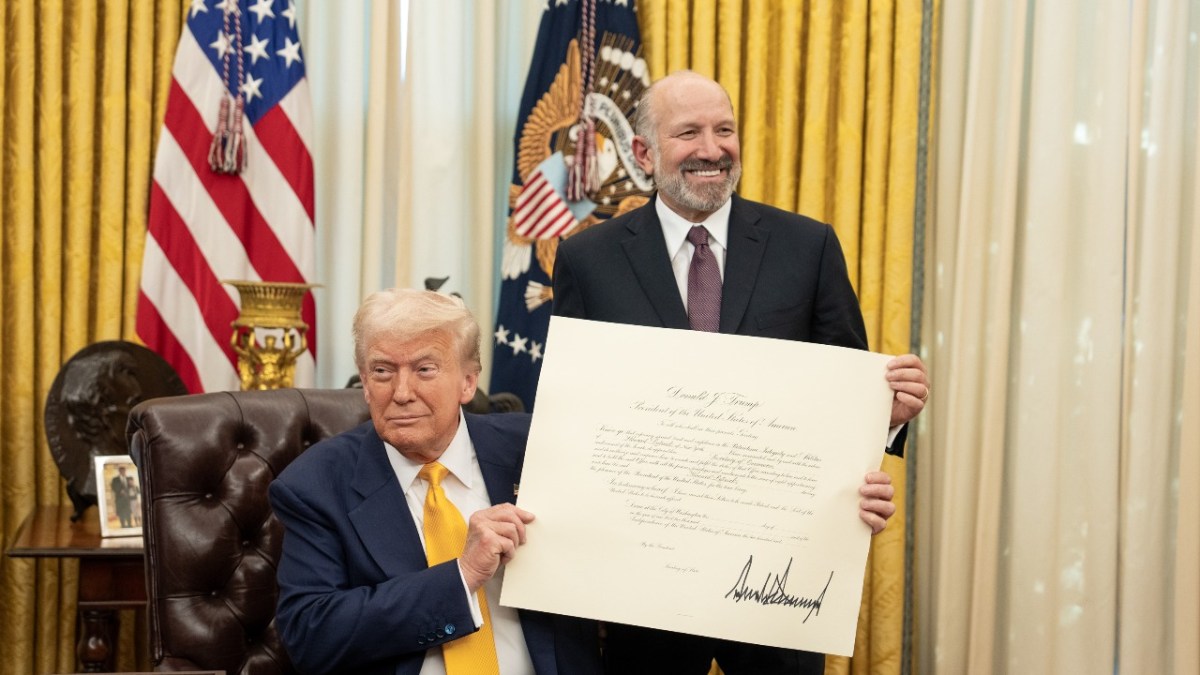

President Trump gave the go-ahead on Thursday for a crackdown on companies suspected of sending Nvidia’s advanced AI chips to China, according to Axios. It marked the third time this year he has approved such a step, and he checked with Elon Musk before moving forward, people familiar with the talks said.
Commerce Secretary Howard Lutnick has repeatedly held up the effort, according to those accounts. The delay has raised questions inside the administration about why officials have not yet acted against the firm at the center of suspected chip smuggling and an espionage scandal. Six high-level sources who were briefed on or present for the discussions described the situation.
That same day, with the spy matter drawing attention, Lutnick sat down in the Situation Room with Treasury Secretary Scott Bessent, Defense Secretary Pete Hegseth, U.S. Trade Representative Jamieson Greer, and National Security Adviser and Secretary of State Marco Rubio. Bessent pressed Lutnick on the Commerce Department’s resistance to putting the export controls in place, especially regarding Megaspeed. The others in the room backed Bessent. Lutnick seemed to go along, then said under his breath, “I need to check with the president.”
Sources outline earlier presidential approvals that stalled
Officials said the remark caused concern because they had thought on previous occasions that the controls would be put into effect, yet nothing followed. “He’s stalling it out,” one official said, noting that Lutnick had met privately with the president before to shift his view on the limits. “This is an ongoing concern with Howard and this issue,” another official said.
Someone in the meeting responded by saying, “Great. Why don’t we do it today?” Around 5 p.m., the group went to the Oval Office. Trump reached tech advisor Elon Musk by phone and decided to proceed. Musk backed the position taken by Rubio, Bessent, Greer, and Hegseth. Lutnick cautioned that the step “will start a trade war with China.”
“Everyone argued back that China is already doing to us what Lutnick warned would happen,” a source said. Trump, with Lutnick as the only holdout, stated, “Let’s get it done.” After the group left the Oval Office, Lutnick suggested putting the matter off again. “I’ll develop some options and come back,” he said.
“Everyone was like: ‘No, no, the decision’s been made. Go f–king execute,’” one source said. “Well, it still hasn’t happened.” Commerce Department spokesperson Kristen Eichamer denied that Bessent confronted Lutnick and offered no immediate comment on the remaining claims.
Trump has approved action against suspected diversions of Nvidia chips to China on at least three occasions – in May, August, and Nov. 5. On each of those, Lutnick and Commerce Undersecretary Jeffrey Kessler pushed back against pressure from Bessent and others to carry the steps forward, sources said.
In May, a highly classified memo went to the president and other officials. It warned about Jensen Huang’s relationship with Alice Huang, a Megaspeed employee whom U.S. intelligence has suspected of being a Chinese agent.
In a meeting that followed, Bessent, Director of National Intelligence Jay Clayton, Hegseth, and White House officials urged Lutnick and Kessler to act, the source said, “and they were refusing.” Three House chairs have also asked for a closed-door briefing over Huang’s alleged romantic relationship with a suspected spy.
Last year the administration said it would ease export controls so Nvidia could sell its H200 chips to China. Nvidia had lobbied strongly for the change. Trump has taken a looser stance on the controls, allowing sales of the H200 – an older model that remains powerful – in return for a 25% tariff.
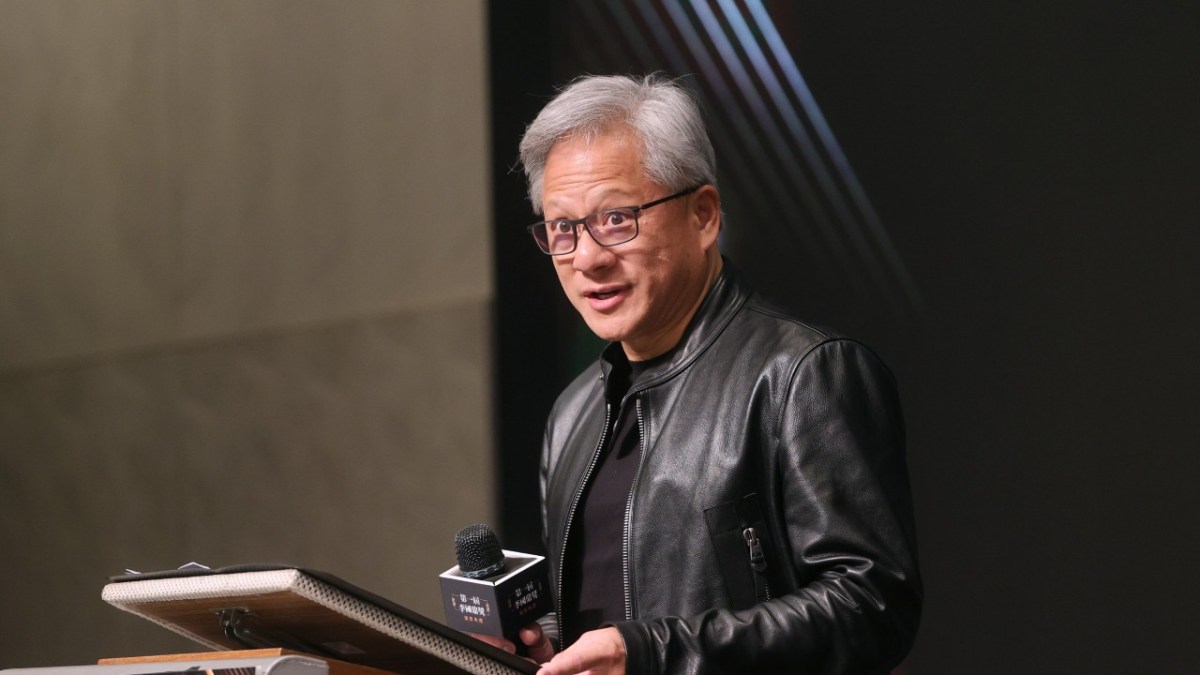
Jensen Huang has long argued for access to the Chinese market, well before the issues involving Alice Huang. He has largely succeeded in persuading Trump and Lutnick that sales of less powerful chips serve national security by stopping China from building its own versions and by keeping the country reliant on U.S. technology, according to the sources.
Lutnick runs the department responsible for export control decisions, yet the final call rests with Trump.





Published: Nov 12, 2026 01:45 pm