



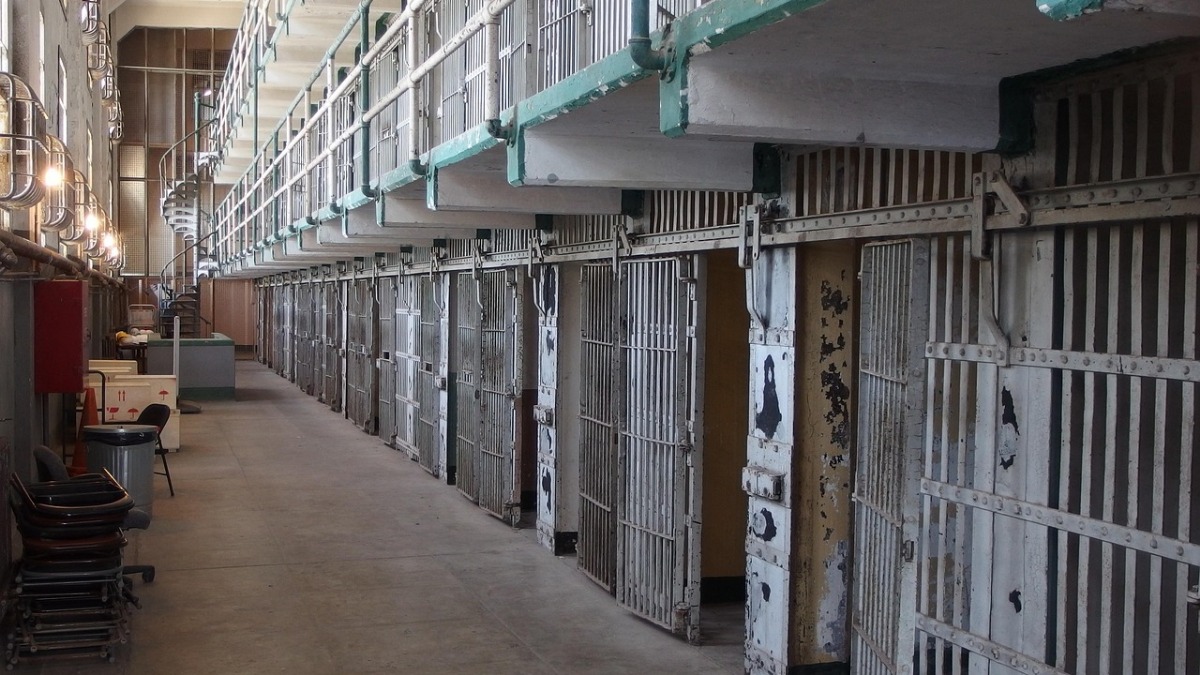

Argentine national Nahuel Gallo walked out of Venezuela’s Rodeo I prison on March 1, having spent 448 days in detention. As reported by The Associated Press, the 35-year-old described his time behind bars as marked by constant psychological pressure, beatings, and severely limited medical care. Now free, he is calling on the international community to increase pressure on the government of interim Venezuelan President Delcy Rodriguez to secure the release of the prisoners who remain.
As he was leaving the facility, the message from his fellow inmates was direct: “Gallo, don’t forget about us.” He told the AP that he still feels imprisoned until those people are free.
His ordeal began on December 8, 2024, when he attempted to enter Venezuela to visit his partner and their young son. Authorities stopped him at an immigration checkpoint and searched his phone, finding WhatsApp messages discussing the country’s political and economic climate. According to Gallo, the officers immediately turned hostile, telling him, “You’re criticizing my president.”
The conditions inside Rodeo I were severe and deliberately dehumanizing
He was moved to the General Directorate of Military Counterintelligence, where he says he was kicked, beaten, and handcuffed during interrogations. Agents found contacts linked to Argentine judicial agencies on his device and reportedly threatened to throw him from a moving vehicle while holding a gun to his head and pointing a Taser at him, shouting, “You are a spy. You work for the government.” Less than three weeks later, the then-attorney general accused him of participating in terrorist actions.
Gallo spent nearly 15 months at Rodeo I without contact with Argentine officials. Detainees were allowed only a few minutes each day to use the bathroom, wash their clothes, or bathe, and inmates were frequently sprayed with pepper spray. As a foreigner, he was denied the right to receive visitors and did not speak with his wife for a full year, managing to do so only after launching a hunger strike.
He later said the hardest part was listening to guards beat other prisoners in nearby cells. “I think the greatest torture is seeing something being done to someone else and not being able to do anything,” he said.
National Assembly President Jorge Rodriguez announced plans this week to release 300 detainees, a group that reportedly includes some individuals whom rights groups consider political prisoners. U.S. Ambassador to Argentina Peter Lamelas met with Gallo in Buenos Aires on Thursday and stated that the government has used the arbitrary detention of foreign citizens as a tool of political repression. Amid wider debates over governments detaining foreign nationals, Gallo’s case has drawn attention as a documented example of that pattern.
Venezuela has been in crisis for years, with millions facing poverty and lack of access to food and medicine. Since the 2024 elections, there has been a broad crackdown on critics, political opponents, and journalists, with thousands detained, often without access to legal counsel or their families. Secretary of State Marco Rubio has addressed the question of authoritarian governance in the region, including Rubio’s remarks on Cuban government repression, as Washington has kept pressure on governments across Latin America. Reports of torture, including electric shocks and asphyxiation, have been documented by international bodies.
The Independent International Fact-Finding Mission has concluded that acts of extreme cruelty in Venezuela amount to crimes against humanity. Gallo is now using social media to advocate for those still inside.





Published: May 23, 2026 05:30 am