



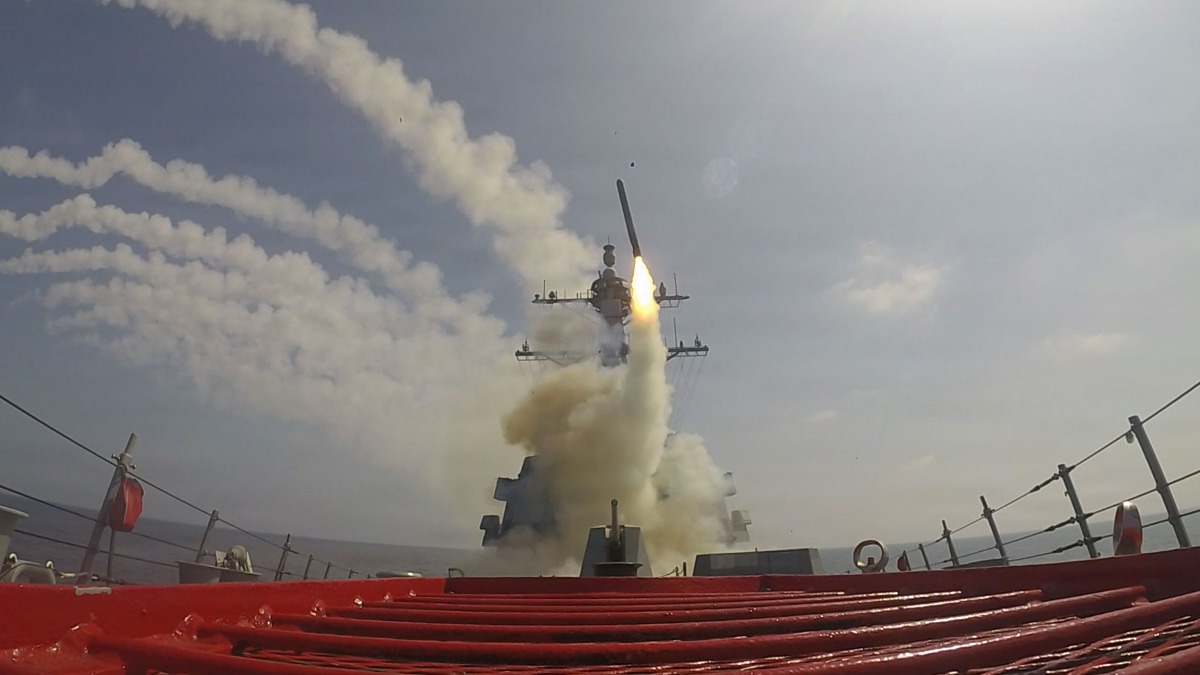

The Wall Street Journal has reported that the United Arab Emirates secretly carried out covert strikes against Iran’s key oil refinery on Lavan Island in early April. The report implicates the UAE as a new direct participant in the war, alongside the US and Israel. It also reveals that Washington was aware of Emirati involvement, despite publicly denying any knowledge of it.
According to the report, the UAE launched a series of attacks on the refinery, which is Iran’s 10th-largest, handling 60,000 barrels of crude oil per day. The refinery was targeted “around the time” US President Donald Trump announced a ceasefire in the war, which had been ongoing for five weeks. Iran’s state broadcaster, IRIB, reported that the Lavan facility was hit at 10:00 am (0630 GMT) on April 8, just hours after the ceasefire came into effect.
One source claimed that Washington was not concerned about the strikes because the ceasefire had not yet fully settled into place. The UAE, for its part, said it had been targeted by 17 Iranian missiles and 35 drones during the conflict, pointing to the rising tensions between the two countries.
The UAE’s secret military role marks a major shift in Abu Dhabi’s strategic stance toward Iran
Security analysts cited in the report noted that the UAE has one of the most advanced air forces in the region, equipped with French Mirage fighters, advanced F-16 jets, drones, and surveillance aircraft. Iran had heavily targeted the UAE during the conflict, launching more than 2,800 missiles and drones at Emirati territory, airports, and infrastructure.
These attacks disrupted tourism, air traffic, and the property market, which appears to have pushed Abu Dhabi toward a more aggressive position against Tehran. The report also highlights the UAE’s role in backing draft UN resolutions authorizing force, if necessary, to protect the Strait of Hormuz. ‘
The UAE also imposed restrictions affecting Iranian-linked schools, clubs, and travel access in Dubai, signaling a broader hardening of its stance against Iran. Reports have also suggested that Israel had spent years planning to topple Iran’s government, adding further context to how deep the regional operation against Tehran actually ran.
The revelation raises serious questions about the level of coordination between the US and the UAE in the war, and whether Washington was aware of Emirati actions before they were carried out. Despite publicly denying any knowledge of UAE involvement, the US is reported to have quietly welcomed the strikes. The UAE’s entry into the conflict also raises questions about the role of other Gulf states and how deep US involvement in the war actually runs.
The fact that a third country was carrying out strikes, with Washington’s apparent knowledge, points to a level of coordination that was not publicly acknowledged at the time. It is also worth noting that the US and Iran were nearing a peace deal even as Trump warned of bombing at a much higher level and intensity, showing just how complicated the situation had become.
As the situation continues to unfold, the UAE’s secret role in the war stands out as a significant development with wide-reaching consequences for the region. The report makes clear that the conflict involved more players than were publicly known, and that the full picture of what happened is only now beginning to come to light.




Published: May 12, 2026 09:15 am