



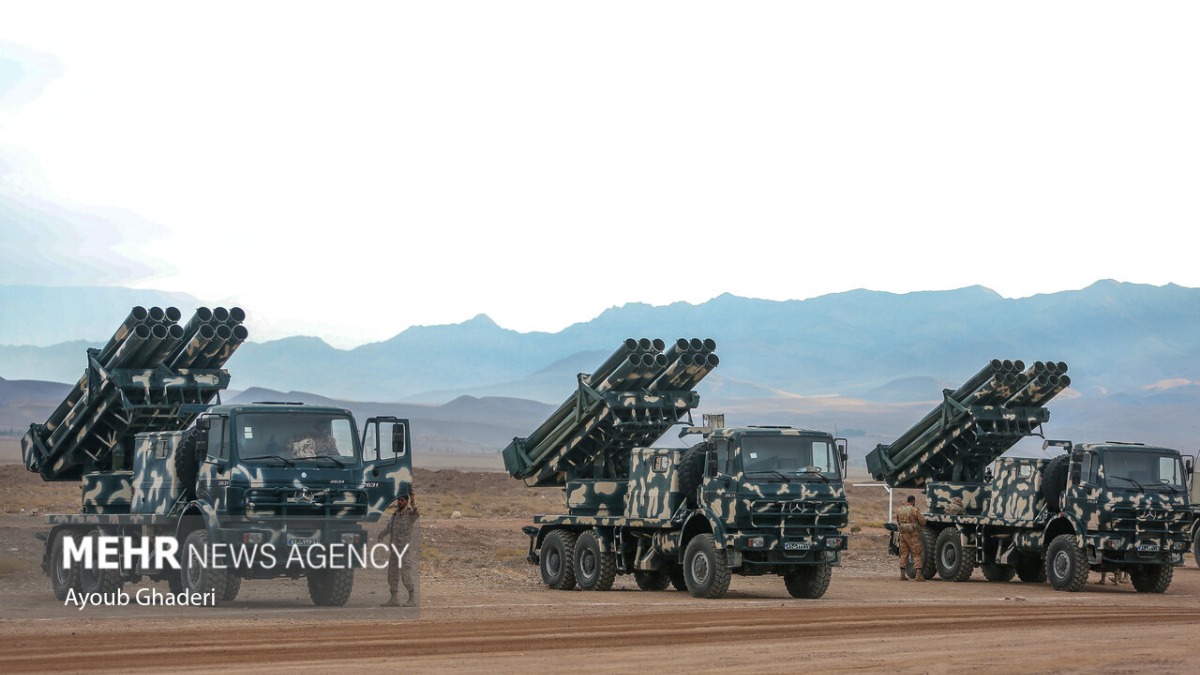

Mediators are working to extend the ceasefire between the United States and Iran before it expires next week. Regional officials say there is an “in principle agreement” to extend the truce and allow more time for diplomacy. However, a senior US official disputes this, saying the US has not formally agreed to any extension.
The US naval blockade on Iranian ports, now nearly a week old, has put the agreement under serious strain. Despite this, regional officials remain cautiously optimistic that both sides can be brought back to the table. The three main sticking points are Iran’s nuclear program, the Strait of Hormuz, and compensation for wartime damages.
Per AP News, Iranian Foreign Ministry spokesman Esmail Baghaei said Iran is open to discussing the type and level of its uranium enrichment, but insists it must be allowed to continue enrichment based on its own needs. The war has disrupted global shipping, damaged military and civilian infrastructure, and rattled financial markets. Oil prices fell on hopes for an end to the fighting, and US stocks surged close to records set in January.
Iran’s threat to block the Persian Gulf could push the global economy toward recession
The commander of Iran’s joint military command, Ali Abdollahi, warned that Iran would completely block all exports and imports across the Persian Gulf, the Sea of Oman, and the Red Sea if the US does not lift its blockade on Iranian ports. This has raised serious concerns about the global economy, with oil prices already rising. The IMF has warned that the world economy faces a risk of recession if the war continues and high energy prices persist.
The blockade is enforced by the US Navy, which uses satellite and commercial intelligence to track ships leaving Iranian ports and intercepts them in the open Indian Ocean. According to BBC, the US has said it will allow humanitarian shipments, including food, medical supplies, and other essential goods, to pass through after inspection.
However, the blockade still has major consequences for Iran’s oil customers, especially China, which buys around 90% of Iran’s oil exports. Analysts say the blockade may be designed to push Beijing into taking a more active role in peace talks. US President Donald Trump also claimed that China has agreed not to supply weapons to Iran, though Beijing has not confirmed this.
Many have pointed out that the ceasefire terms Trump’s side agreed to tell a more complicated story than his public statements suggest. A prolonged blockade could push up petrol and food prices globally and limit access to critical materials like aluminium, helium, and fertilizer feedstocks. Pakistan is also playing an active role in mediation efforts, with the country’s military chief and interior minister traveling to Tehran.
Pakistani Finance Minister Muhammad Aurangzeb said that “our leadership is not giving up” on efforts to help the US and Iran end the conflict. The IMF also noted that the war’s energy shock would hit the UK hardest among advanced economies, which may explain why UK Prime Minister Keir Starmer has been actively engaged in diplomatic efforts in the region.
Civilians in Iran are also at risk, as the country depends heavily on grain and wheat imports, raising food security concerns. Across Asia, the disruption to shipping has caused a fuel crisis, with governments ordering employees to work from home, cutting working weeks, declaring national holidays, and closing universities early to conserve fuel supplies.Trump stated that “at some point” an agreement on free passage will be reached, but the future of the ceasefire remains uncertain.







Published: Apr 15, 2026 01:30 pm