



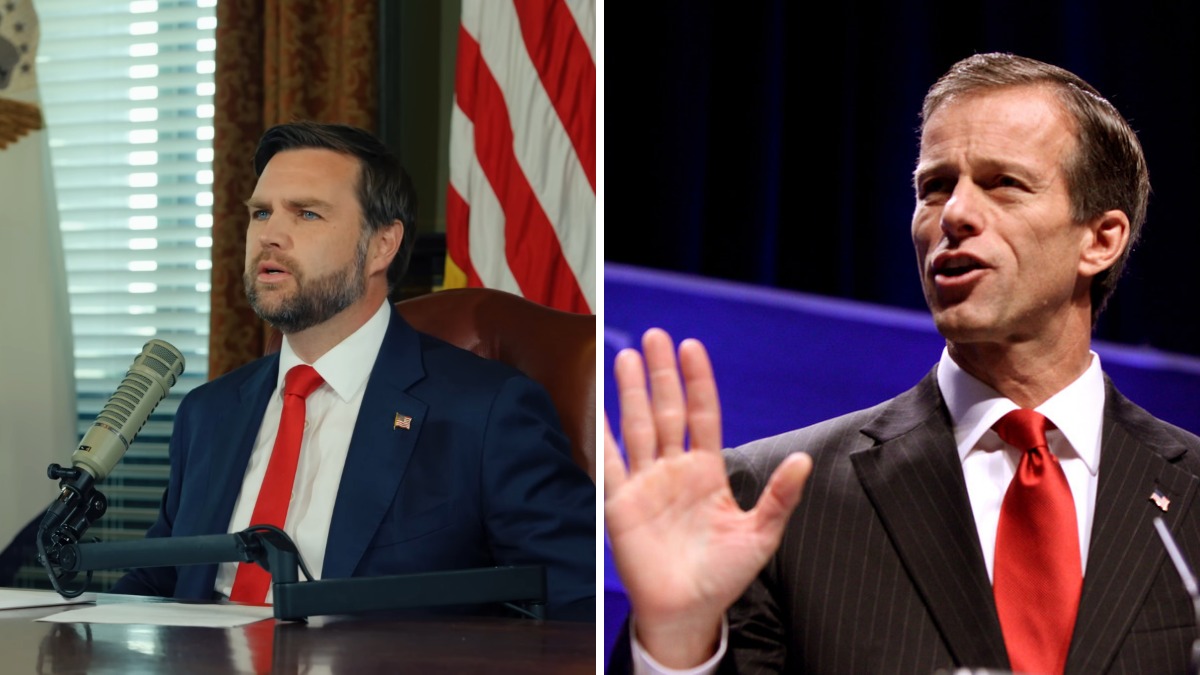

Vice President JD Vance pushed back against criticism from within his own party, labeling the frustration from GOP hawks regarding the Iran deal as ironic, The Hill reported. As the administration navigates the fallout from the memorandum of understanding signed over the weekend, Vance made his stance clear during an appearance on SiriusXM’s “The Megyn Kelly Show.”
He pointed out that many of the same voices currently raising alarms about the details of the agreement were previously eager to see the conflict escalate. “But it is kind of ironic that they’re really, really worried about stopping this thing, while they were completely gung-ho about starting this thing,” Vance said.
The deal, which aims to pause fighting for another 60 days while negotiations continue regarding Tehran’s nuclear program, has left lawmakers on both sides of the aisle feeling kept in the dark. While the administration frames the agreement as a path toward peace, the specific terms remain elusive. Reports suggest the deal could allow Iran to resume oil exports immediately, alongside potential financial incentives for concessions on its nuclear ambitions.
These details have sparked significant pushback from right-wing media personalities and the Israeli ambassador to the US
Vance remains unfazed by the skepticism, arguing that critics are failing to offer a viable alternative to the administration’s current approach. “I just don’t think the people criticizing this are actually dealing with the reality of what’s in it. And number two, they don’t have an alternative,” Vance told Kelly. He further emphasized his support for the president’s decision-making process, suggesting that dropping bombs without a clear goal or defined American interest is not the path forward.
During the same interview, Vance addressed the legal and procedural questions surrounding the initiation of the war, defending the administration’s choice to act without formal congressional approval. He stated that he does not believe such approval was legally required, maintaining that the situation did not constitute a full-scale war in the conventional or legal sense.
“To be clear, I don’t think congressional approval was required. I firmly believe that the president— this was never a full-scale war in the conventional or legal sense of it. We definitely made sure that we dotted our I’s and crossed our T’s here. So I wanted to defend the administration on that point,” Vance said.
The push for transparency is intensifying on Capitol Hill. President Trump indicated on Tuesday, while in France for the G7 summit, that he is willing to send the memorandum of understanding to Congress for review. This shift came after he met with the president of the United Arab Emirates, Mohamed bin Zayed Al Nahyan. Trump noted that he initially had not considered submitting the pact, but he told reporters, “I like the idea,” adding that he intends to wait until after a formal signing ceremony currently expected on Friday.
This move toward congressional involvement is significant because of the 2015 Iran Nuclear Agreement Review Act. The law requires any such agreement to be submitted to lawmakers for review before any sanctions can be eased. For many senators, the primary issue is simply having access to the text.
Senate Majority Leader John Thune of South Dakota highlighted that in his more than 20-year tenure, it has been highly unusual for an administration to withhold such critical information from its own party members. “We’re trying to get it,” Thune said, noting that the current lack of information is an issue he has not encountered before.
Other Republican lawmakers have echoed this frustration. Senator Thom Tillis of North Carolina questioned how the deal could be taken seriously if it remains secret. Senator Lindsey Graham of South Carolina, who has been a staunch supporter of the war effort, expressed caution about the MOU, stating, “The MOU, I want to see it myself. The way Iran describes it is awful. The way we describe it makes sense to me. Let’s look at it and see what it actually is.”
Across the aisle, Democrats are equally skeptical. Senate Democratic leader Chuck Schumer noted that the administration has frequently promised the end of the conflict, only for those promises to fall short. Schumer has called for a classified briefing for the “Gang of Eight” to ensure that leadership is fully informed. As the administration prepares for Friday, the pressure to provide clarity for both Congress and the American people continues to build, regardless of Vance’s defense of the president’s strategic goals.







Published: Jun 17, 2026 05:30 pm