



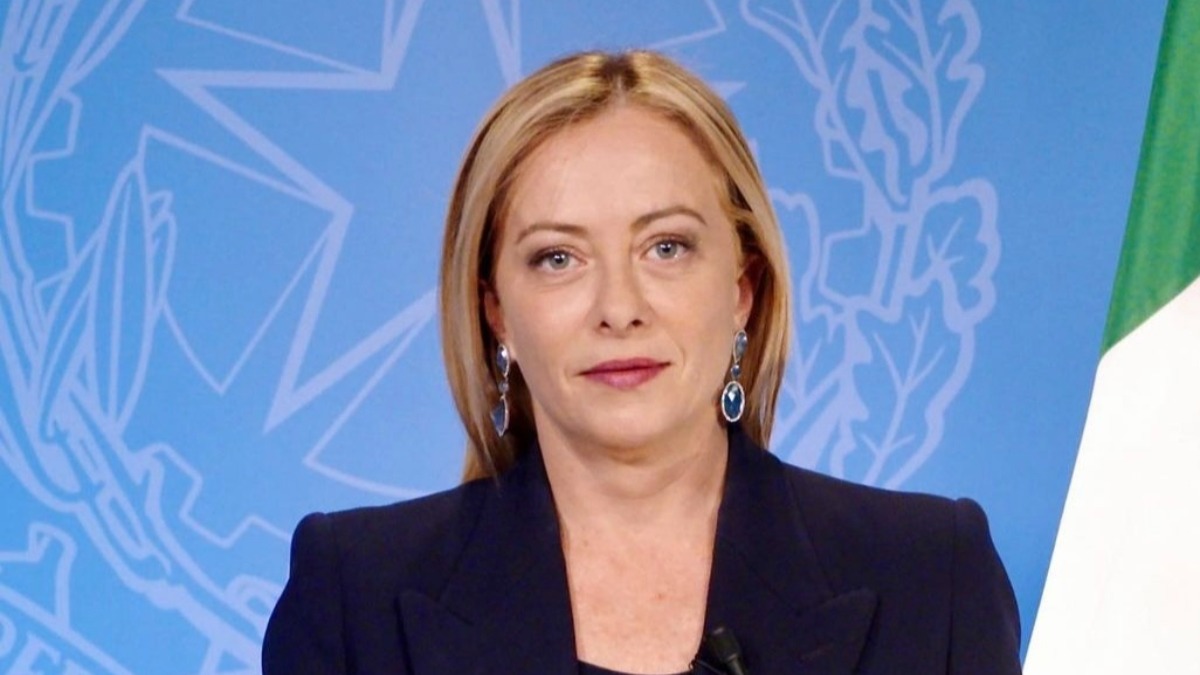

Italian Prime Minister Giorgia Meloni announced on April 14, 2026, that Italy was suspending the automatic renewal of its defense cooperation agreement with Israel, citing “the current situation” in the Middle East. As detailed by Politico, she made the announcement to reporters on the fringes of a wine industry event in Verona. The move marks a notable shift from Italy’s previously staunch backing of Israel.
The agreement in question was originally signed in 2003 and formalized into a framework on April 13, 2016, designed to automatically renew every five years unless either party chose to terminate it. The memorandum established a structured framework for the exchange of military materials, joint technological research, and cooperation between the respective armed forces, covering defense procurement, industrial policy, training, and the import and export of defense materials. Defense Minister Guido Crosetto formally notified his Israeli counterpart, Israel Katz, initiating the suspension.
Israel’s Foreign Ministry quickly downplayed the move, with an official telling The Times of Israel, “We have a memorandum of understanding from many years ago that has never contained any substantive content,” and adding that it “will not affect Israel’s security.” That response underscores how Italy’s action reads as primarily political rather than military, carrying symbolic weight but limited immediate operational impact.
Italy had been stacking up grievances before making it official
The suspension followed a series of escalating incidents between the two countries. On April 8, Israeli Defense Forces fired warning shots at an Italian peacekeeping convoy outside Beirut, Lebanon. No troops were injured, but Meloni labeled the incident “completely unacceptable,” and Foreign Minister Antonio Tajani summoned the Israeli ambassador to Rome for the third time since 2024.
Meloni also condemned Israel for preventing Catholic leaders from celebrating a private Mass in the Church of the Holy Sepulchre on Palm Sunday, calling it “an offense to religious freedom,” and took to parliament to criticize Israel’s conduct in Lebanon. While Italy had been largely supportive of Israel over the war in Gaza and does not recognize Palestinian statehood, the broader confrontation involving Iran prompted a recalibration. Meloni has emphasized the need to reopen the Strait of Hormuz, warning that disruptions threaten energy flows and inputs like fertilizers, posing risks to economic security, a concern that also sits at the center of collapsed US-Iran nuclear talks.
Italy also denied landing access at Sigonella to U.S. aircraft linked to strike missions, framed officially as a technical decision over a lack of prior authorization for combat-related operations, but one that carried clear political sensitivity. Domestically, pro-Palestinian demonstrations have been ongoing across Italian cities for two years, often driven by youth participation, contributing to a more cautious domestic environment around Israel-related policy. These internal pressures have found political resonance, particularly among left-leaning parties.
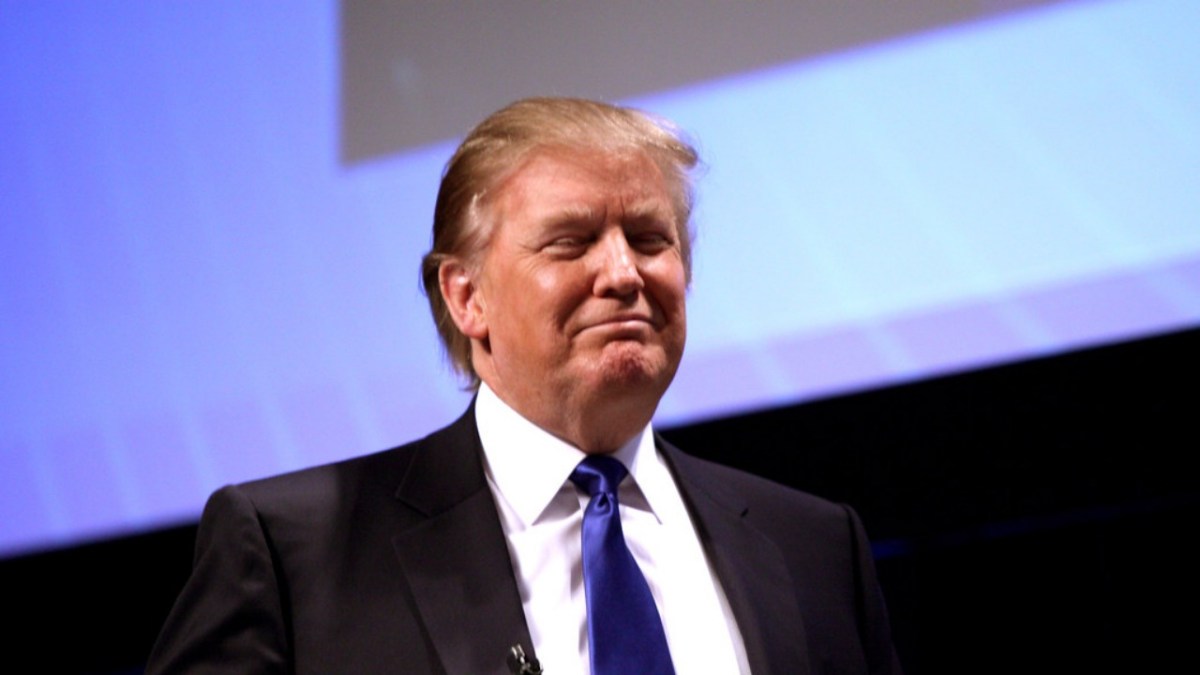
Relations with Washington have also grown complicated. Meloni criticized remarks made by Donald Trump against the Pope as “unacceptable.” Trump responded by calling Meloni “unacceptable” in return and publicly questioning her domestic support. Amid these frictions, Italy’s balancing act across its European relationships has drawn renewed attention, including Vance’s visit to Budapest to back Orban, which added further texture to the White House’s uneven engagement with European allies.
The suspension is less a break with Israel than a deliberate pause, preserving room for future re-engagement while responding to current political and strategic pressures.






Published: Apr 14, 2026 08:00 pm