



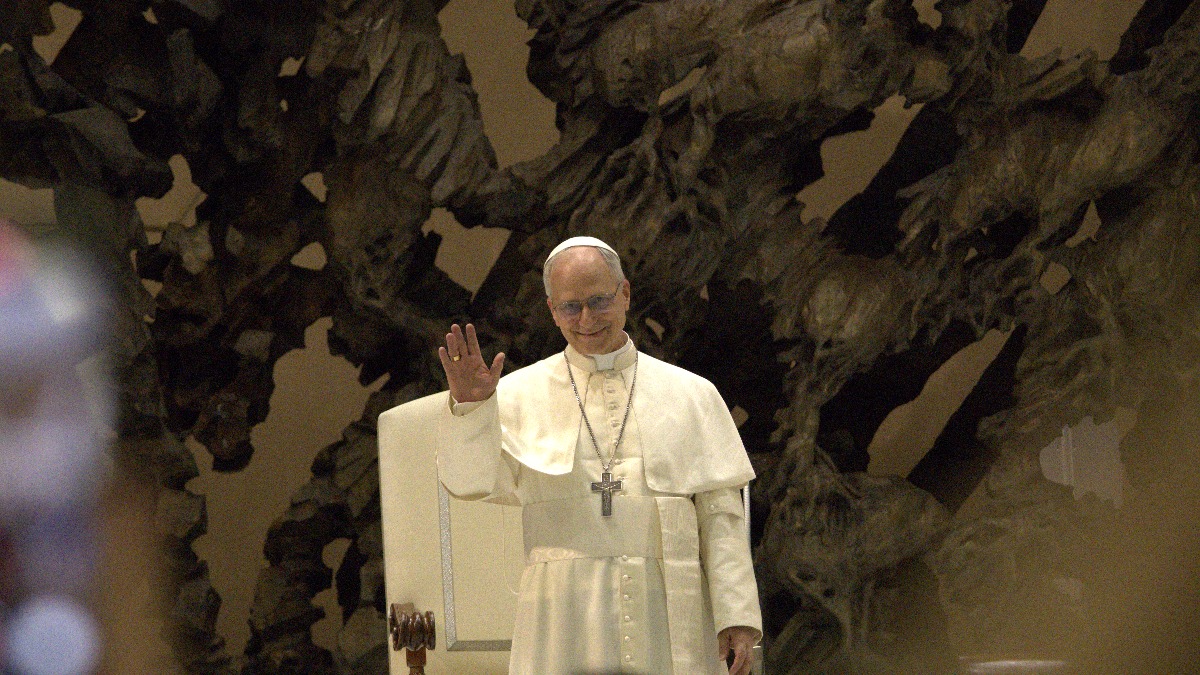

Pope Leo XIV made an unambiguous statement about the state of Equatorial Guinea’s prison system, speaking directly to 600 inmates at the Bata prison during the tenth day of his African tour. The 70-year-old U.S.-born pontiff addressed detainees, including around 30 women, many of them young men with shaved heads standing outside in the rain to hear him speak.
As detailed by Al Jazeera, the pope’s message was direct: incarceration should serve rehabilitation, not punishment alone. “The administration of justice aims to protect society,” he said. “To be effective, however, it must always promote the dignity of every person.”
The visit drew immediate attention to conditions the government has long sought to downplay. A 2023 U.S. Department of State report documented severe overcrowding, torture, and deplorable sanitary conditions inside Equatorial Guinea’s detention facilities, noting that prisoners face life-threatening environments, broken toilets, dirty cells, and shortages of basic necessities. Diseases including tuberculosis, malaria, and HIV pose significant risks to those held there.
The pope’s words landed in a country where prison conditions have rarely faced this kind of scrutiny
Pope Leo did not limit his remarks to inmates. He called on authorities to ensure detainees have access to education and work during their confinement, specifically noting his concern for prisoners forced to live in troubling hygienic and sanitary conditions. His visit placed direct pressure on the government of President Teodoro Obiang Nguema Mbasogo, who has ruled since 1979 and holds the distinction of being the world’s longest-serving non-monarchical head of state.
The advocacy comes amid broader concerns about the country’s treatment of those in custody. Reports have documented the use of sleep deprivation and electric shocks by security forces to extract confessions, with some detainees held incommunicado for months without access to legal counsel. A California fire captain sentenced to life in prison recently drew attention to questions of judicial process, though the Equatorial Guinea situation involves a far more systemic pattern of accused abuses and a judicial council headed by the president himself.
Earlier in the tour, during a mass in Mongomo held before President Obiang, the pope called for greater freedom and the safeguarding of human dignity. Civil society organizations and human rights activists in Equatorial Guinea have long faced government harassment, and independent monitoring of prisons has historically been restricted.
The government reached an agreement last year to accept deportees from other countries, drawing sharp criticism from legal advocates. A coalition of 70 non-governmental organizations published an open letter urging the pope to push for humane and lawful treatment of those individuals, whom they say are being pressured to return to their home countries amid government surveillance and control debates gaining traction in other parts of the world.
The government has historically denied holding political prisoners and maintained that its judicial processes are sound. For the 600 people in the Bata prison yard that day, the pope’s visit was the first time in years that an outside figure of his standing had publicly acknowledged their conditions and demanded accountability from the administration directly.







Published: Apr 22, 2026 05:15 pm