




The Trump administration has asked Congress for $11.1 billion to help the Agriculture Department support American farmers, according to a funding request reviewed by The Hill. The money is part of a larger supplemental funding package tied to the ongoing war with Iran.
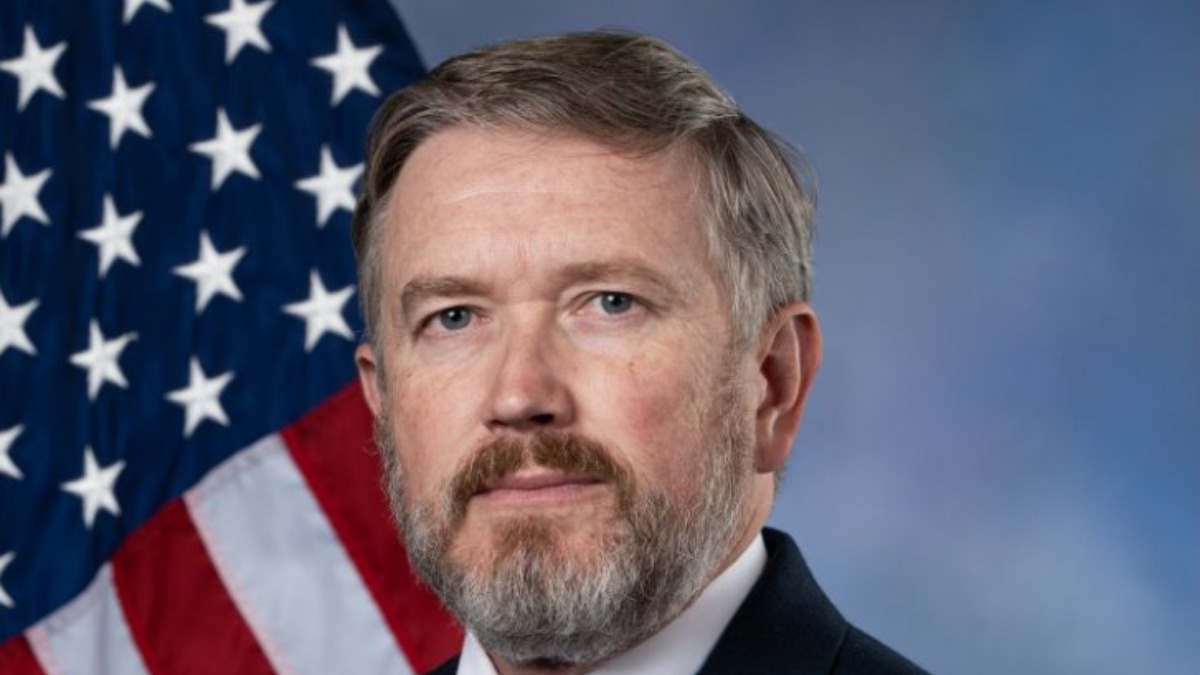
Rep. Thomas Massie (R-Ky.) told The Hill outside the House chamber on Tuesday that the request is “ironic,” since the war itself is driving up the costs the money is meant to offset.
“What’s ironic about that is the… bailout for the farmers was necessitated by the war with Iran,” Massie said. “They’re trying to compensate them for higher fuel prices and higher fertilizer prices.”
The White House budget office is seeking billions beyond the farm aid
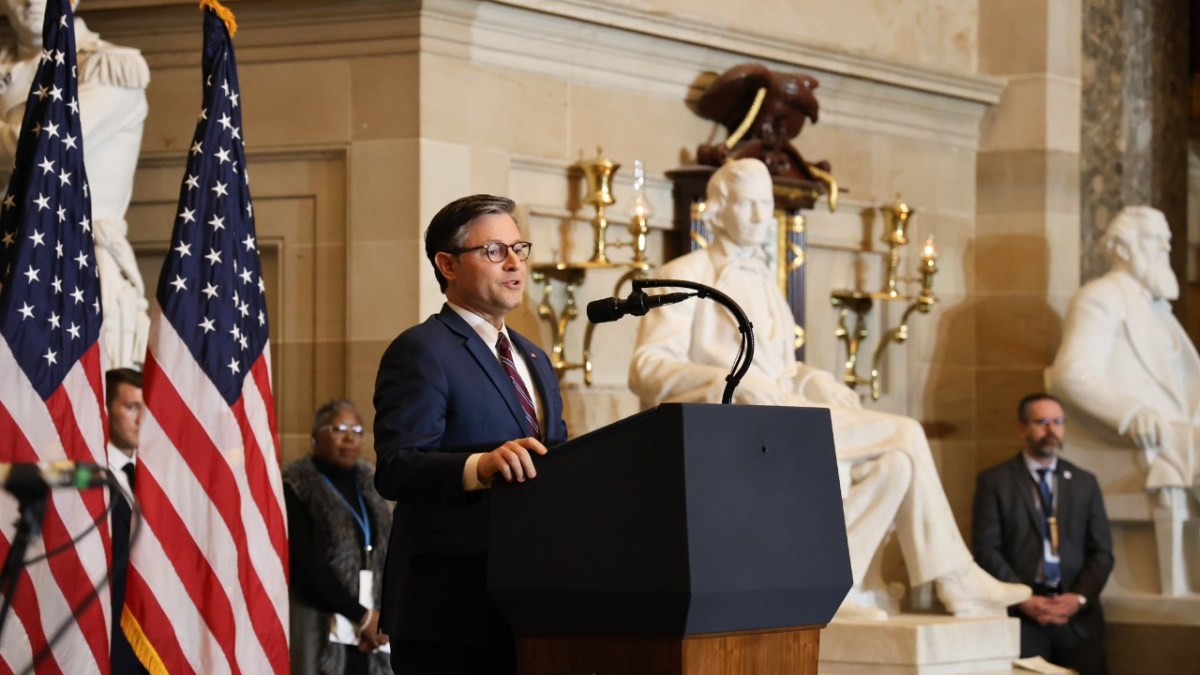
Office of Management and Budget Director Russell Vought requested nearly $87.6 billion from Congress in a letter to Speaker Mike Johnson (R-La.) last month. Of that total, more than $67.1 billion is earmarked for the Defense Department, as the United States and Iran continue to exchange strikes and have abandoned a short-lived memorandum of understanding they had agreed to the previous month, per the letter.
The remaining $11.1 billion requested for the USDA would largely go toward what the administration calls “temporary economic assistance for row and specialty crops” planted in crop year 2026, with $10 billion set aside for that purpose, per the funding request.
A little more than $1 billion would go toward helping the department assist farmers who suffered damage from winter storms in late 2025 and early 2026, the request states. Farmers in some regions have also had to manage historic drought conditions alongside rising fuel costs, compounding the financial strain on agricultural operations.
Agriculture Secretary Brooke Rollins urged members of the Senate Appropriations Committee on Tuesday to support the supplemental funding, saying her department is working to “free” American farmers from “dependency” on the government. She made the comments while testifying before the panel alongside Defense Secretary Pete Hegseth and Chairman of the Joint Chiefs of Staff Gen. Dan Caine.
“It provides a bridge and extends a hand to Americans who need it,” Rollins said of the supplemental funding. “It buys the nation the security that we need, and it buys us time to deconstruct and then reconstruct a new system, putting our farmers and ranchers first, and to restore the system that originally made America great,” Rollins continued.
Fertilizer prices have risen sharply since the war began, which officials have linked to Iranian military restrictions on shipping through the Strait of Hormuz. Under normal conditions, about one-third of the world’s fertilizer trade passes through that waterway, according to the United Nations.
Nitrogenous fertilizer prices rose 23.5 percent between February and June, based on an analysis of Bureau of Labor Statistics data conducted by the Federal Reserve Bank of St. Louis. That analysis also found that fertilizer prices in June were higher than in all but 10 months going back more than 50 years.
Diesel fuel prices have also climbed during the war, reaching roughly $5.14 per gallon as of Tuesday, about $1.40 more than a year earlier, according to the American Automobile Association. Some market analysts have offered predictions on when gas prices might fall back to pre-war levels, though estimates vary widely.
Massie also said farmers have faced higher costs for farm equipment, which he attributed to President Trump’s tariffs on imports. Massie, who lives on his farm in Kentucky and is not seeking reelection, argued that continuing to send aid piece by piece does not address the underlying problem.
“So the solution of this is not to give more money to the war in Iran and more money to the farmers, and then later, more money to Iran and more money to some other industry that’s crumbling because of this war,” Massie said. “The solution is to stop the war.”






Published: Jul 22, 2026 10:30 am