



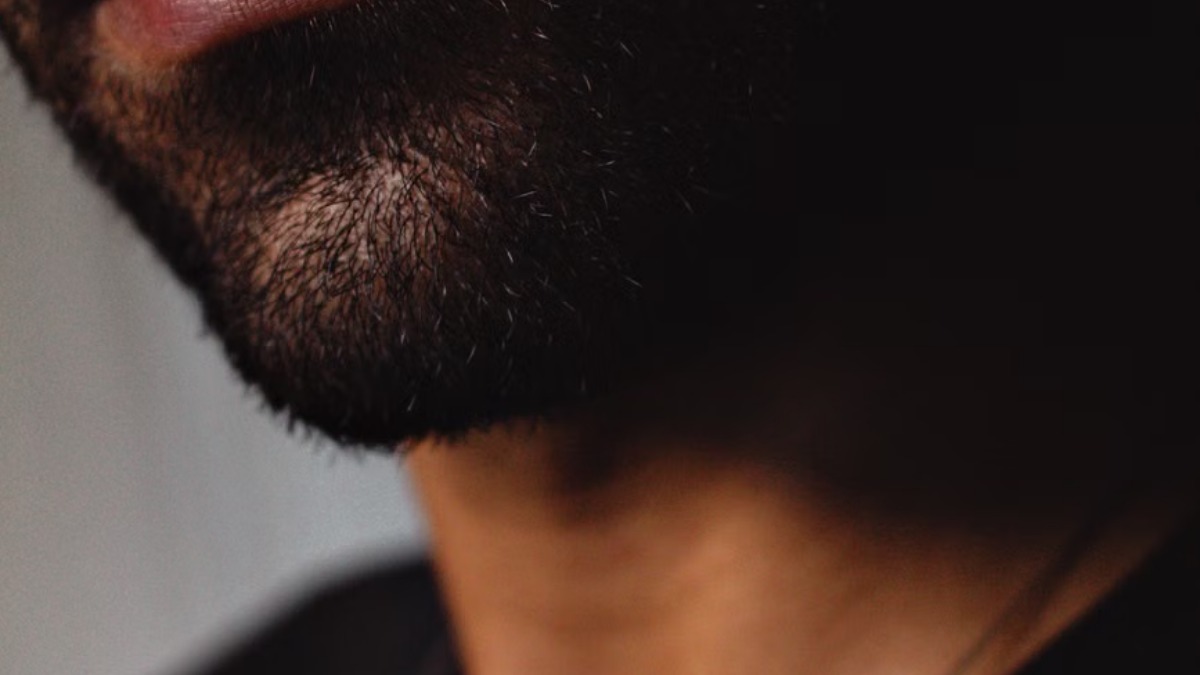

A venture capitalist in his 30s reportedly paid $10,000 for a beard transplant after he said his patchy facial hair was putting him at a disadvantage in the workplace. The man, who was not named, described his experience in an interview with The Cut.
He said he began working in private equity and venture capital, and that looking young “started feeling like a disadvantage.” According to his account, he was passed over for roles he had more experience in and felt his judgment was questioned more often than his older-looking colleagues.
He said he was also passed over for a client-facing position, calling it “a significant position for me to lose out on.”
He said colleagues made jokes about his youthful appearance
The man said no one had directly criticized his appearance or told him it was the reason he missed out on the opportunity, but he said he wondered whether his superiors saw him as not serious enough. He said he was also subjected to “little jokes” about looking like the youngest person in the room or resembling an intern.
He said these comments led him to speak more formally and try harder to prove himself at work. According to his account, the insecurity also affected parts of his life outside the office, including dating. Facial hair is not the only cosmetic fix men have reportedly pursued to address appearance-related insecurity, with some seeking surgery to add height through a far more invasive procedure.
Before considering surgery, the man said he tried several other methods to grow a fuller beard. He said he used vitamins and beard-growth products marketed online, along with Minoxidil, an over-the-counter medication approved by the FDA to stimulate hair growth.
He said that after more than a year of trying these methods without success, he had largely accepted that he would not be able to grow a full beard. That changed, he said, when he learned about beard transplants and booked a consultation at the Spiegel Center. He said the decision to move forward with the procedure felt easy once he had spoken with the clinic.
According to the man, the transplant took about five hours, during which medical professionals shaved hair from the back of his head and implanted the grafts into patchy areas of his beard. He said he remained awake throughout the procedure, but that his face had been numbed, so he felt pressure rather than pain. He described the recovery as not physically difficult.
He said that for about a week and a half afterward, he had small scabs around each hair follicle in the treated areas, which he said were noticeable. “That was probably the only point where I felt a bit self-conscious about what I’d done,” he said, adding that he chose to stay home until the scabs healed.
According to the Daily Mail, the man claimed that it took about six months for the results of the transplant to fully appear, and he said he checked his progress in the mirror daily during that period, describing himself as impatient.
Once his beard grew in fully, he said the results matched what he had hoped for. He said the jokes he had previously experienced in meetings stopped, and that he began speaking and presenting with more confidence. “That confidence has changed how I carry myself. I speak more directly and doubt myself less. I notice it most in how people respond to me in rooms,” he said.
He said colleagues began telling him things like “You look different” or “Something seems sharper,” and that some remarked he appeared more masculine. Appearance-related transformations, whether surgical or digital, often draw strong reactions online, as shown by an influencer’s filter mishap online that led to a significant loss of followers earlier this year.
The man acknowledged that a beard transplant “can sound superficial if you’ve never dealt with this kind of insecurity,” and said the $10,000 cost was “obviously a lot of money.” He said, “But for me, it was worth every cent.”
His account, while based on personal experience, aligns with findings from a 2020 study conducted by St Edward’s University in Texas and published in the Journal of Business Research. The study found that men in sales and service roles were perceived as more trustworthy and knowledgeable when they had facial hair.
Sarah Mittal, the study’s lead researcher, said, “Our research suggests that those in a sales or service role, where expertise and trust are crucial to converting sales, would be well-served to grow a beard.” She added, “Your LinkedIn profile and marketing materials may even benefit from the subtle cue conveyed by donning a beard.”






Published: Jul 22, 2026 12:00 pm