



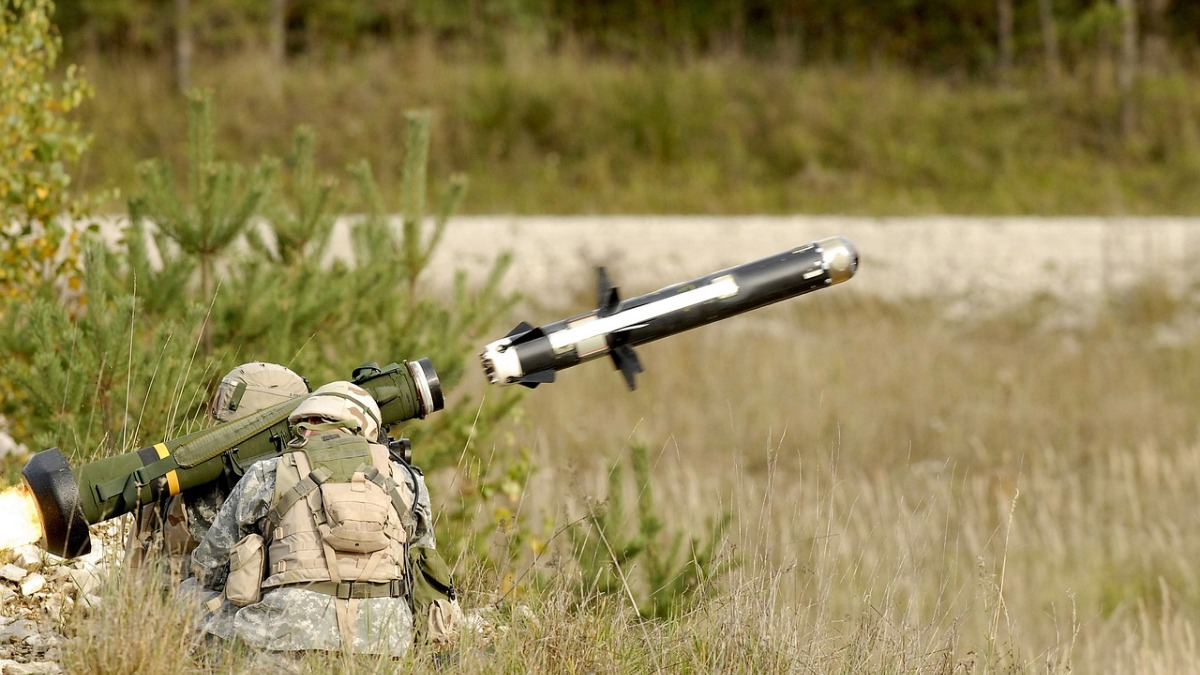

The United States military has burned through nearly its entire global supply of highly accurate long-range missiles during the five-month war with Iran, as reported by Reuters. This rapid drawdown of the Army Tactical Missile Systems and the newer Precision Strike Missiles has created significant concern regarding the ability of the military to respond to potential conflicts elsewhere in the world.
While these munitions serve as a vital component of the modern arsenal by allowing for strikes from a safe distance, the current inventory has reached a point that could force President Donald Trump to rely on riskier, piloted bombing missions if he decides to conduct further large-scale operations against Iran.
These specific weapons are high-tech assets that cost more than $1 million each. The Precision Strike Missiles represent a more advanced generation that is currently replacing the older Army Tactical Missile Systems. Because these missiles are designed to hit targets without putting flight crews in harm’s way, they are considered essential for engagements against adversaries that possess robust air defense networks.
Data regarding the dwindling stockpiles has circulated within the federal government over the last week
Tensions have risen as the administration evaluates how long the current pace of strikes can continue before the remaining inventory reaches a level that compromises the military’s strategic readiness to address crises involving other nations, such as China or Russia.
President Trump has maintained a confident stance on the state of the nation’s defense capabilities. In a statement from the White House, he said the U.S. had “far more munitions than anyone in the world” and “far more than we need.” He further noted that the defense industrial base is moving at an unprecedented pace to keep up with demand. “Our defense companies are, at this moment, making more munitions than they have ever made before, in addition to expanding their plants and equipment at record levels,” Trump said.
Supporting this view, one official familiar with the matter stated that Central Command has been able to maintain operations by reloading from supply depots located around the globe. Chief Pentagon spokesperson Sean Parnell echoed this sentiment, stating: “America’s military is the most powerful in the world and has everything it needs to execute at the time and place of the President’s choosing. We have executed multiple successful operations across combatant commands while ensuring the U.S. military possesses a deep arsenal of capabilities to protect our people and our interests.”
Despite these assurances, the broader impact on the U.S. arsenal is becoming clearer. Reports indicate that stockpiles of defensive systems have also seen a sharp decline. Estimates suggest that approximately 65% of Patriot interceptors have been used since the conflict began in February, and the supply of THAAD ballistic missile interceptors has dropped by at least 38%. Additionally, the Navy has utilized nearly half of its global supply of Tomahawk cruise missiles.
While some reports suggested that President Trump recently opted against a massive new offensive in Iran due to these inventory warnings, other officials claim the decision was influenced by pressure from Gulf states.
Meanwhile, the ongoing hostilities have prompted a heated debate regarding the extent of presidential authority to prosecute this war without formal authorization from Congress. As Washington works to rebuild these critical stockpiles, defense contractors like Raytheon have entered into tentative multi-year agreements with the Pentagon to accelerate production of key assets, including the Tomahawk missile.








Published: Aug 4, 2026 01:00 pm