


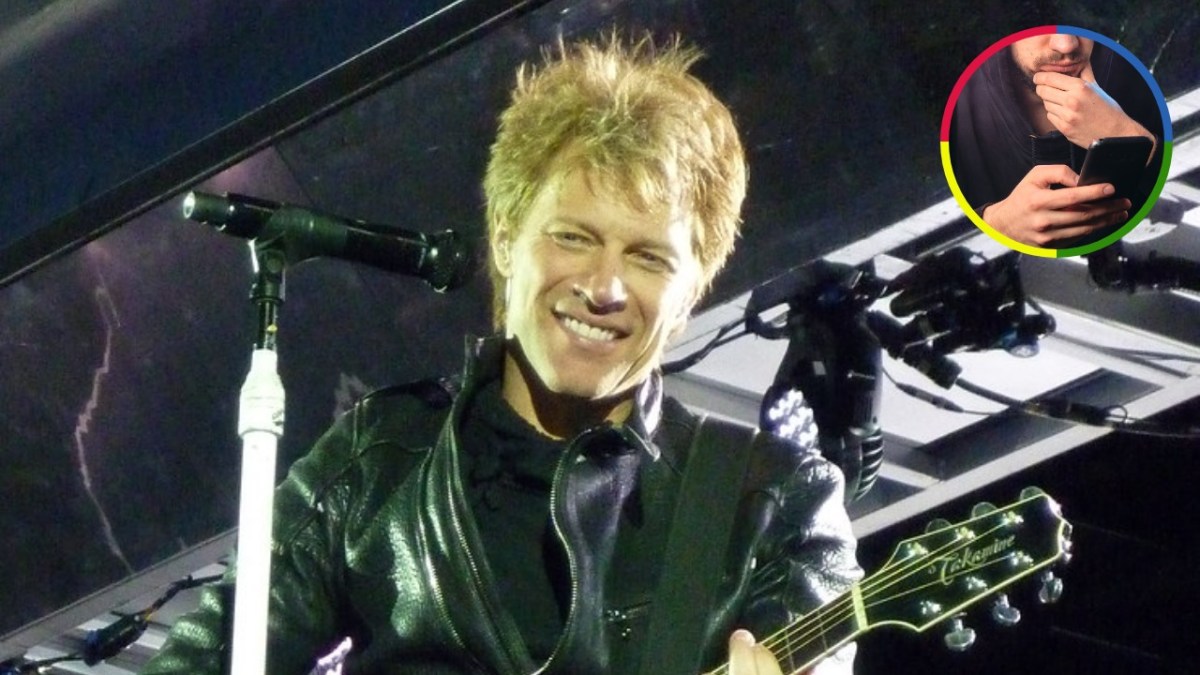

A Louisiana woman lost over $10,000 and nearly her home after falling for an AI-generated scammer who posed as Jon Bon Jovi. The situation highlights how dangerous these deepfake tools have become for unsuspecting fans.
As reported by BroBible, Leslie Pickett, a fan of the rock star since she was 14, spent 10 months chatting with someone she truly believed was the singer. The ordeal began in late 2024 when she commented on the real Jon Bon Jovi verified Instagram account. Almost immediately, a separate account reached out to her, claiming to be a private profile the singer used to talk to fans without his management team finding out.
The scammer used AI to build a relationship, sending romantic messages, flowers, and even personalized videos that looked incredibly real. Pickett was understandably skeptical at first, so she decided to test him. She asked the man in the video to pull his right ear, cross his eyes, and stick out his tongue. Only five minutes later, she received a video of the person doing every single action she requested.
The scammer later started asking for money
“He gave very thoughtful answers to my questions, so I genuinely thought it was him,” Leslie Pickett told Fox News. “And I wasn’t too knowledgeable about those check marks. I had doubts, but hey, a girl can dream.”
After seven months of building trust, the impostor started asking for money. He claimed the payments were for a private meet-and-greet that he insisted had to go through his management. At first, the amounts were small, like $100 or $150. The scammer kept claiming the transactions failed, which pressured Pickett into sending money through Venmo, PayPal, Cash App, and eventually cryptocurrency.
By July 2025, the scammer escalated the ruse by claiming he was visiting Louisiana. He even sent photos from a local hotel, and every detail in the images matched the real hotel, right down to the napkin rings, furniture, and light fixtures.
The breaking point came when a security-clearance video call cut off suddenly. The scammer demanded even more Bitcoin to set up another meeting, and that is when the reality of the situation finally hit Pickett. She realized she was being played.
Investigators on the team for the National Geographic documentary Super Scam Me, hosted by Mariana van Zeller, later worked with an ethical hacker to track the scammer. They successfully traced the internet connection back to Lagos, Nigeria.
By the time the truth came out, Pickett had lost more than $10,000 and was facing foreclosure on her home. Pickett shared that the experience has actually ruined her ability to enjoy the music of the man she once admired. “I know it wasn’t him that scammed me, but I can’t listen to any of that anymore,” she told investigators.




Published: Oct 27, 2026 07:00 am