



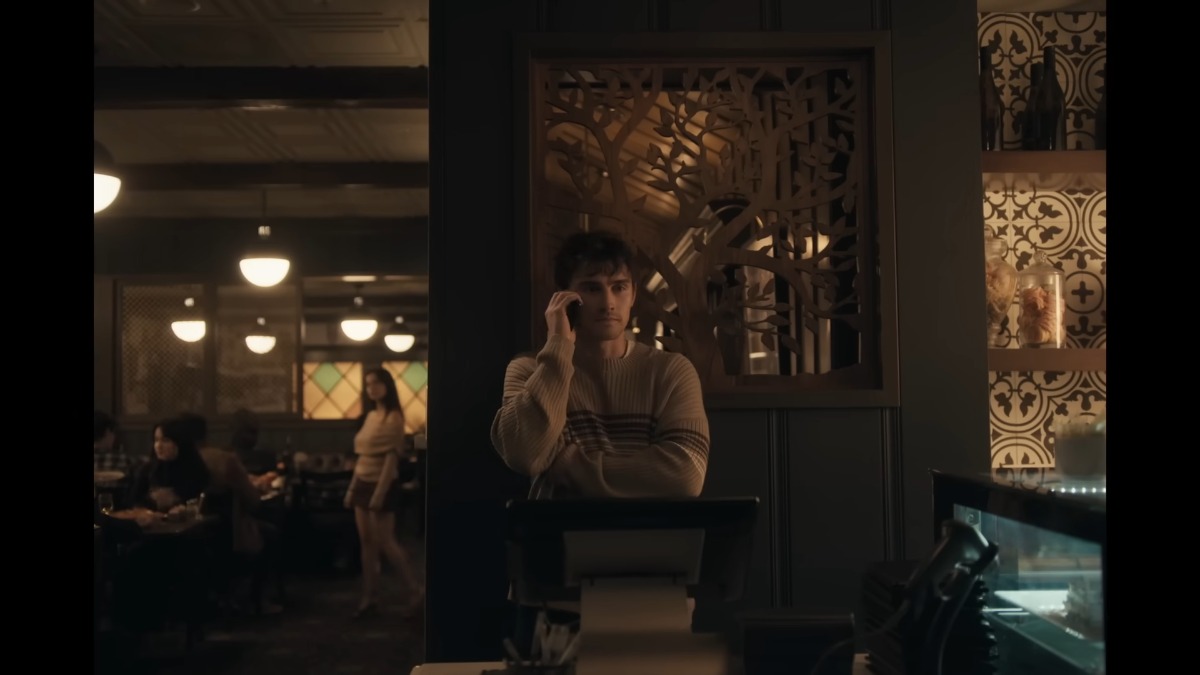

The horror hit Obsession is currently making headlines for reasons beyond its massive box office success, as art director Sally Choi has gone viral for sharing her experience with the film’s production pay. With a production budget of only $750,000, the film is projected to gross over $250 million, yet Choi, who goes by @kiwisupreez on Instagram, revealed she was paid a daily rate of $300 for her work, BroBible reported.
“Obssn was made for $750K and is projected to make $250M. How much I made: $300/day as Art Director. This came out to $6741.36 after taxes. No mileage,” she wrote on Instagram. She noted that she agreed to the rate at the time because she was living paycheck to paycheck, but she expressed frustration with the broader industry standards. She also mentioned that some crew members were volunteers who were only compensated for gas and mileage, and even those payments were not always on time.
Choi stated, “I kick myself every single day for not flipping this production. I was encouraged not to and I naively listened.” In the film industry, flipping a production involves moving it from a non-union status to a union status. This revelation has triggered a massive debate online, with opinions split on whether she should be grateful for the career opportunity or if she is right to push back against systemic pay issues.
Whether you stand with Choi or not, this seriously highlights a major issue for the film industry
Some people on social media have criticized her for complaining after voluntarily signing a contract. One filmmaker suggested that instead of focusing on the pay, she should embrace the credit as a stepping stone for her career. They argued that having a prominent role on a massive hit with only one prior short film credit is a huge advantage that she should leverage to get a better agent and higher-paying jobs.
Conversely, many others have defended her, highlighting the grueling nature of art department work. One defense posted on social media pointed out that the long, unpaid hours spent planning, researching, and communicating with the director effectively slash the hourly wage to a very low amount. Supporters argue that these conversations are necessary to challenge an industry system that relies on keeping below-the-line costs as low as possible.
Brandon Katz, Director of Insights and Content Strategy at Greenlight Analytics, provided some perspective on these industry norms. He explained that below-the-line crew members are typically hired on flat daily rates, and it is standard for profit participation to be reserved for high-end actors, directors, and producers. While some companies like Artist Equity are exploring ways to share financial success with more of the crew, it is not yet a common practice.
Katz noted that the pay gap in studio filmmaking is a real issue, but the solution is complex. It involves negotiating better minimums, benefits, and residuals through large labor guilds rather than individual contracts. Ultimately, the budget for Obsession was so lean that the film likely could not have been completed under union requirements. The situation feels especially jarring only because the film’s massive success was not predicted by anyone involved.
While some producers occasionally offer success bonuses for surprise hits, these are voluntary and never guaranteed. Choi’s experience highlights the tension between the reality of low-budget filmmaking and the desire for fair compensation when a project unexpectedly turns into a global phenomenon.







Published: Jun 9, 2026 05:45 pm