



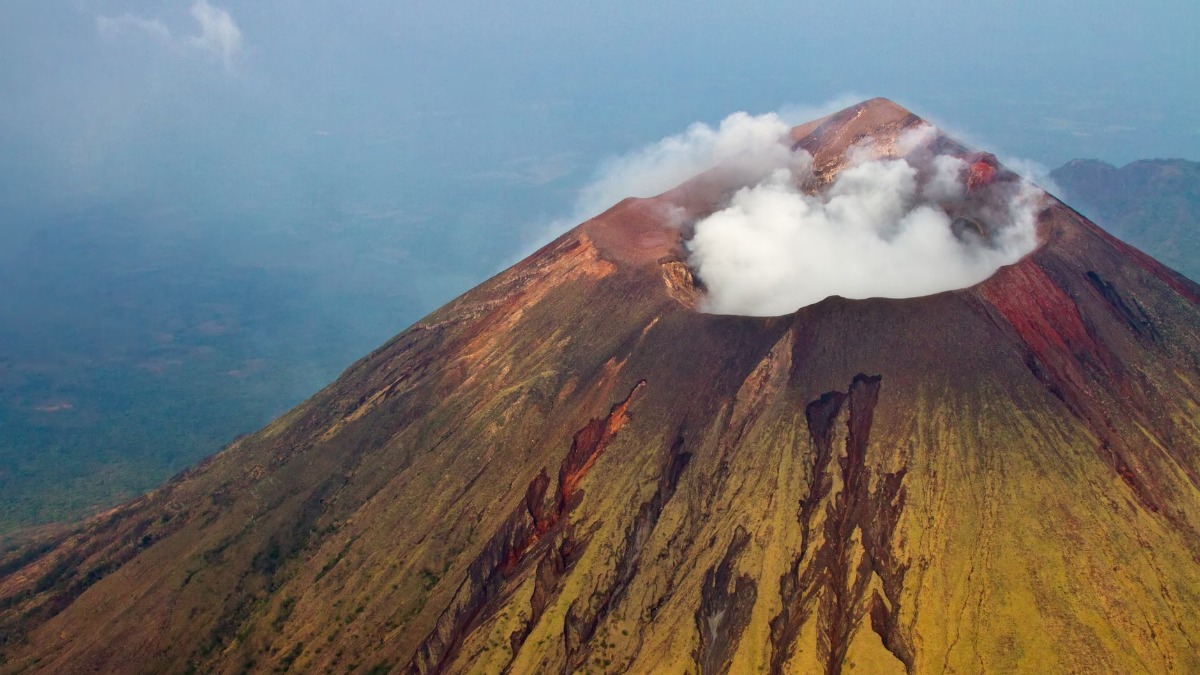

Al-Qa’qa’ bin Antar, a 30-year-old Yemeni climber widely known as the Spider-Man of Yemen, has died after falling 120 meters into a volcanic crater during an unroped climb. The incident occurred on Friday, June 12, inside the Haradhat Damt volcanic crater in Yemen’s Al Dhale province. His body was recovered by Civil Defense teams on Saturday, June 13, nearly 24 hours after the fall.
Bin Antar, also reported by some outlets as Qaqaa Antar al-Absi, had built a significant online following through videos of himself scaling sheer rock faces with no ropes, harnesses, or safety equipment of any kind. As reported by Dexerto, he was known for filming these climbs and leaving his name written in white chalk high on the crater walls, turning the Haradhat Damt site into a recurring backdrop for his stunts.
The Haradhat Damt crater is a recognized natural landmark in the ancient city of Damt, perched atop a mountain and accessible only via an iron staircase of more than 115 steps. The terrain inside is notoriously rocky and vertical, and the structure offers no reliable escape routes or rescue infrastructure. Local residents had reportedly raised concerns about his performances there on multiple occasions prior to the fatal climb.
Bin Antar had said poverty drove him to take these risks
The recovery operation was a significant challenge for authorities. Because of the limited access routes and hazardous conditions inside the volcanic structure, Civil Defense deployed specialized diving and water rescue teams using specific equipment and lighting units to navigate the terrain.
The operation lasted close to 24 hours before his body was located. Amid other recent stories of climbers facing life-or-death situations in extreme terrain, including a Sherpa guide at Everest whose funeral rites had already begun before he was spotted crawling back to base camp, the danger of high-altitude and high-risk climbing has drawn renewed attention.
Videos of the incident have since circulated online, capturing the moment bin Antar lost his footing. His stunts had earned him admiration from followers across social media, but they had also attracted criticism for their total absence of safety precautions. The financial motivation behind the climbs has surfaced prominently in the wake of his death, with The News reporting that bin Antar had previously stated poverty pushed him to undertake dangerous climbs as a way to earn money.
Following the news of his death, tributes spread across social media. One user wrote that bin Antar was “the strongest climber of all time” and had “immortalized his writings on the wall of the dangerous volcano crater.” His death has opened a broader conversation about the absence of safety protocols in extreme and informal climbing, particularly in environments where performers lack institutional support or financial alternatives.
Bin Antar has not previously commented publicly on the concerns raised by local residents about his methods inside the crater, and no statement has been issued by his family at the time of reporting.









Published: Jun 13, 2026 04:00 pm