




A woman is facing legal charges after allegedly serving her sister shellfish, knowing she had a documented allergy. The incident, as reported by Bored Panda, unfolded at a family lunch and escalated into a hospital emergency involving an ambulance, a screaming confrontation, and security staff.
The victim, whose shellfish allergy was diagnosed in childhood, was invited to her sister’s home for lunch and told the meal was tuna pasta, a dish safe for her to eat. After consuming the food, she suffered a severe allergic reaction and was taken to hospital. Her sister had allegedly hidden shellfish in the dish to test whether the allergy was genuine.
While medical staff were treating the victim, her sister reportedly screamed, “I know you’re faking this” and claimed she had wanted to test whether the allergy was real. Hospital staff overheard the outburst and asked the victim if she wanted her sister removed. She agreed, and with the support of nursing staff and security, she filed a police report the following morning.
The sister had witnessed a severe allergic reaction before and still chose to act
Shellfish allergies are a recognized, potentially life-threatening medical condition. Research shows that around 2% of the global population has a shellfish allergy, with approximately 0.9% reporting a challenge-confirmed reaction. Exposure to shellfish proteins triggers an immune response that can range from mild hives to full anaphylaxis, a severe systemic reaction requiring immediate treatment, typically with epinephrine.
The victim’s mother sided with the sister after the report was filed, describing the decision to contact police as an overreaction. Amid other viral posts about family conflict kept quiet, this case drew significant online attention, with most commenters supporting the decision to press charges.
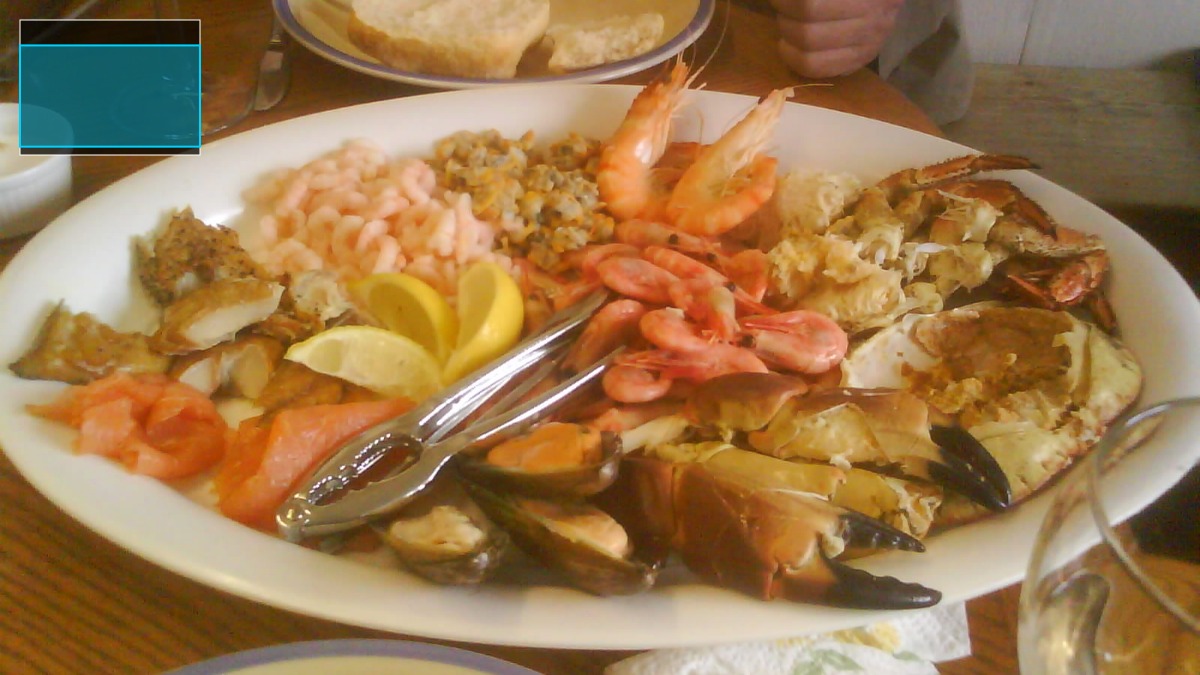
Shellfish fall into two main categories: crustaceans, such as shrimp, crab, lobster, and prawns, and mollusks, including clams, mussels, oysters, scallops, octopus, and squid. Allergists generally recommend avoiding all shellfish entirely, as cross-reactivity between the two categories is common. The Food Allergy Research and Education organization notes that crustacean shellfish are among the eight major allergens federally required to be labeled in plain language on packaged foods in the United States, though mollusks carry no equivalent requirement.
Living with a shellfish allergy requires constant vigilance. Those affected must check food labels and communicate their dietary restrictions whenever eating food they have not prepared themselves. Steam from cooking shellfish can also carry the allergen, and people with severe sensitivities are often advised to avoid seafood restaurants entirely. The victim noted she was not carrying an epinephrine auto-injector at the time, explaining she had not been prescribed one and was still saving up to purchase one.
The victim confirmed she visited the police station the following morning and filed a formal report with the help of the nurse who had witnessed the confrontation firsthand. Amid other viral disputes where people faced unexpected accusations, including a server accused of theft after voluntarily returning an overpaid tip, the incident resonated widely online.









Published: Jun 12, 2026 11:30 am