



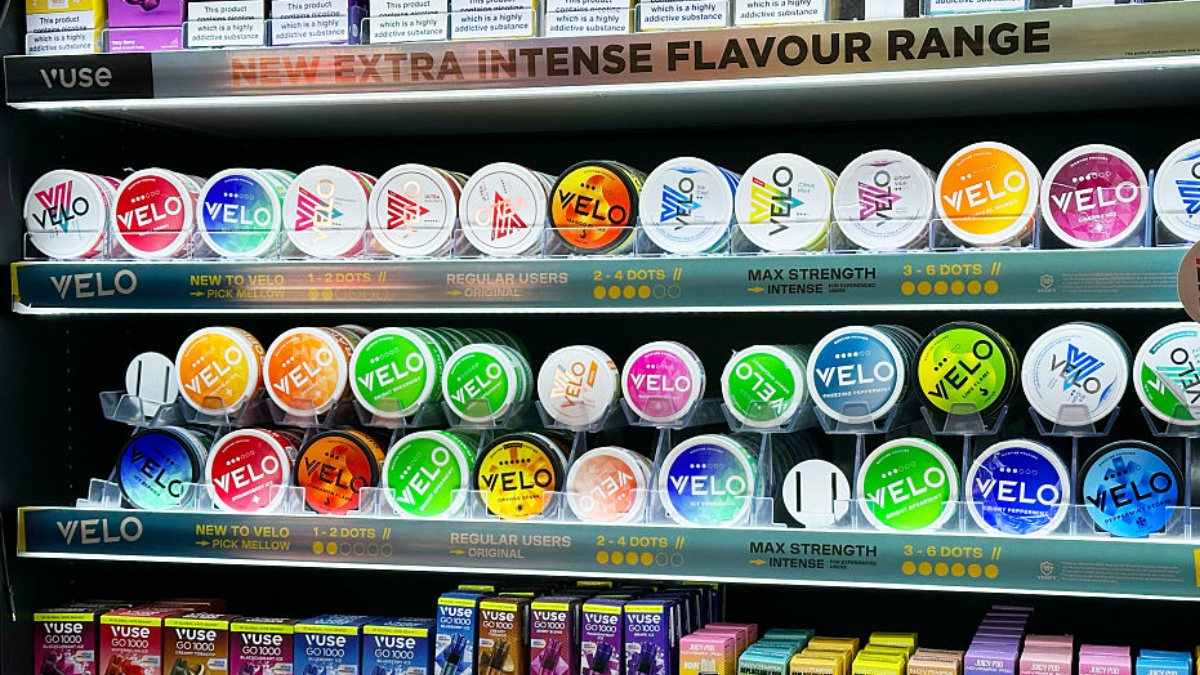

Nicotine pouches, originally designed as a smoking cessation tool, are now being repackaged as a perk inside Silicon Valley offices. What started as a harm-reduction product has evolved into a normalized stimulant, with vending machines placed directly in workplaces.
The situation drew attention after reporting by the Daily Dot, which detailed how startups and major tech firms are increasingly embracing nicotine pouches as a way to boost focus, energy, and output. Health experts, however, have warned that the long-term risks are still not fully understood.
In many of these offices, producing immediate value for leadership appears to outweigh concerns about employee health. Nicotine is a highly addictive stimulant that can increase alertness and focus, and with prescription stimulants like Adderall harder for many workers to access, discreet nicotine pouches have become more common. Because they are smokeless and odorless, employees can use them during meetings without drawing attention.
This says a lot about modern tech work culture
The trend accelerated throughout the year. Palantir’s Head of Strategic Engagement, Eliano A. Younes, posted a photo of himself posing beside a Lucy Nicotine vending machine at work. Later that year, Hello Patient founder Alex Cohen said he ordered similar machines after noticing how productive some employees became while using nicotine pouches. He said, “They were very productive, so I thought maybe there’s something here.”
Nicotine pouches were originally intended to help smokers reduce cravings and gradually quit, similar to nicotine gum or patches. Instead, they are now being reframed as a workplace stimulant. While the FDA approved the marketing of nicotine pouches in 2025 and ruled them safer than traditional cigarettes, medical professionals have stressed that “safer” does not mean safe.
Doctors have warned that long-term use can lead to gum irritation and recession, tooth decay, elevated blood pressure, and increased risk of heart disease and stroke. Short-term effects like nausea, dizziness, and headaches are also common, and addiction remains a concern. Dr. Kedar Kirtane of the American Society of Clinical Oncology has said these products are not risk-free, particularly when it comes to oral and vascular health.
Not everyone in the tech world has welcomed the trend. Some critics have compared it to other workplace decisions that prioritize output over employee well-being, such as backlash that followed when Target employees criticized the company over a controversial policy change. Others have likened the response to earlier tech controversies, including criticism over features that appeared to guilt users rather than help them change habits.









Published: Jan 7, 2026 05:15 am